Art Guide · Art movements
Early Photography
1838 – 1930
Early photography spans the years from the announcement of the daguerreotype in 1839 to the 1930s, when photography grew from a technical curiosity into a language of art and record.
Last updated: · Iconica Society editors
In brief
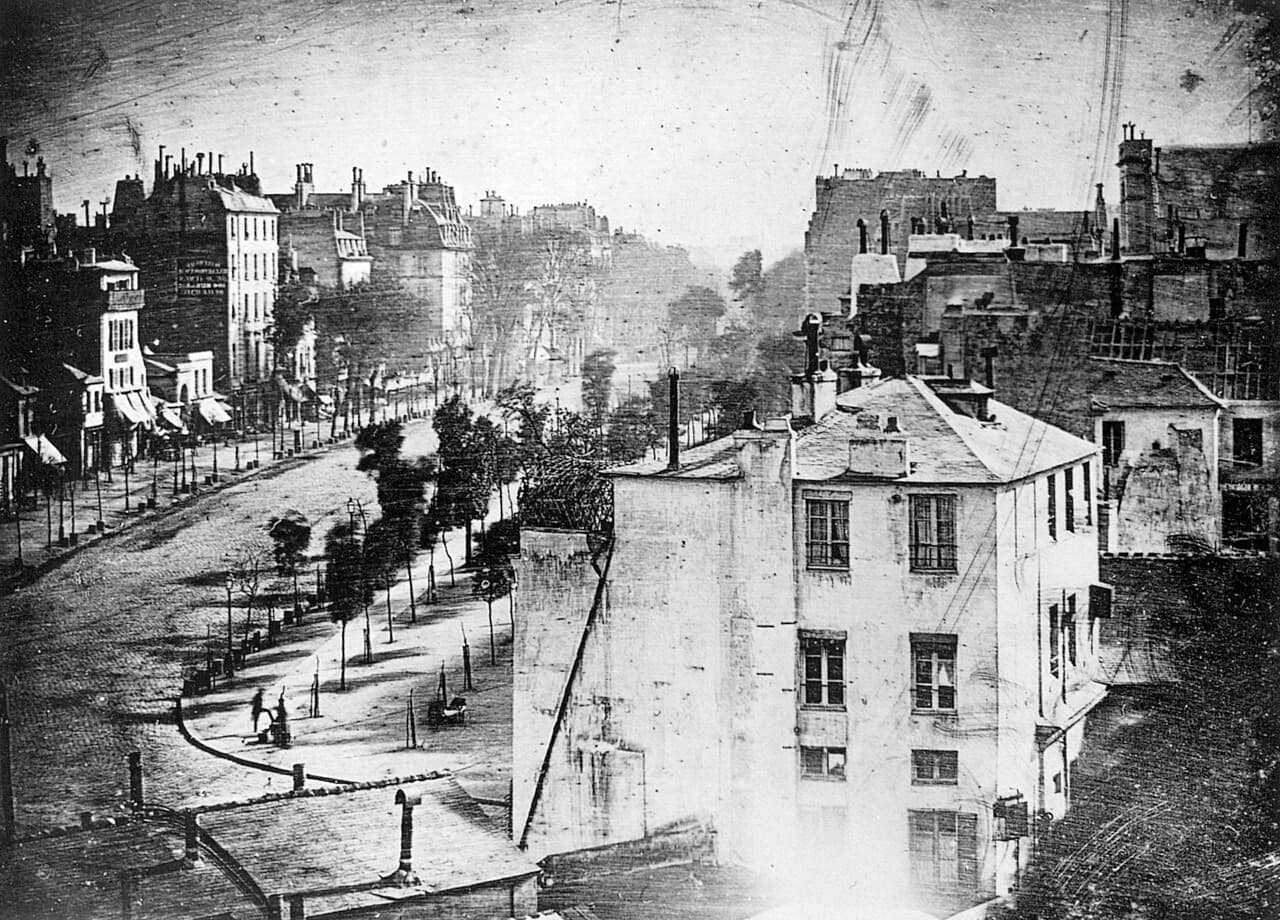
The first photographs needed long exposures: in Daguerre’s 1838 view of the Boulevard du Temple the moving crowds vanish and only a man having his boots polished remains, making it the first known photograph of a person. Within a few decades Muybridge was catching a galloping horse in fractions of a second, opening the way to cinema.
Art or record?
Julia Margaret Cameron and Gustave Le Gray treated photography as an art to rival painting, working with soft focus and dramatic skies. Jacob Riis and Lewis Hine used the camera as a social tool, and their pictures changed laws. Anna Atkins’s cyanotypes and Karl Blossfeldt’s plant close-ups brought science and design together.
Early photographs on the wall
Black-and-white and sepia tones suit any colour scheme and are especially strong in minimal, industrial and vintage rooms. The blue of cyanotypes brings a cool calm to bathrooms and bedrooms. Every photograph in our selection was taken before 1931 by a photographer who died before 1946, so all are in the public domain.
Key works
Shop Early Photography posters →Boulevard du TempleLouis Daguerre, 1838 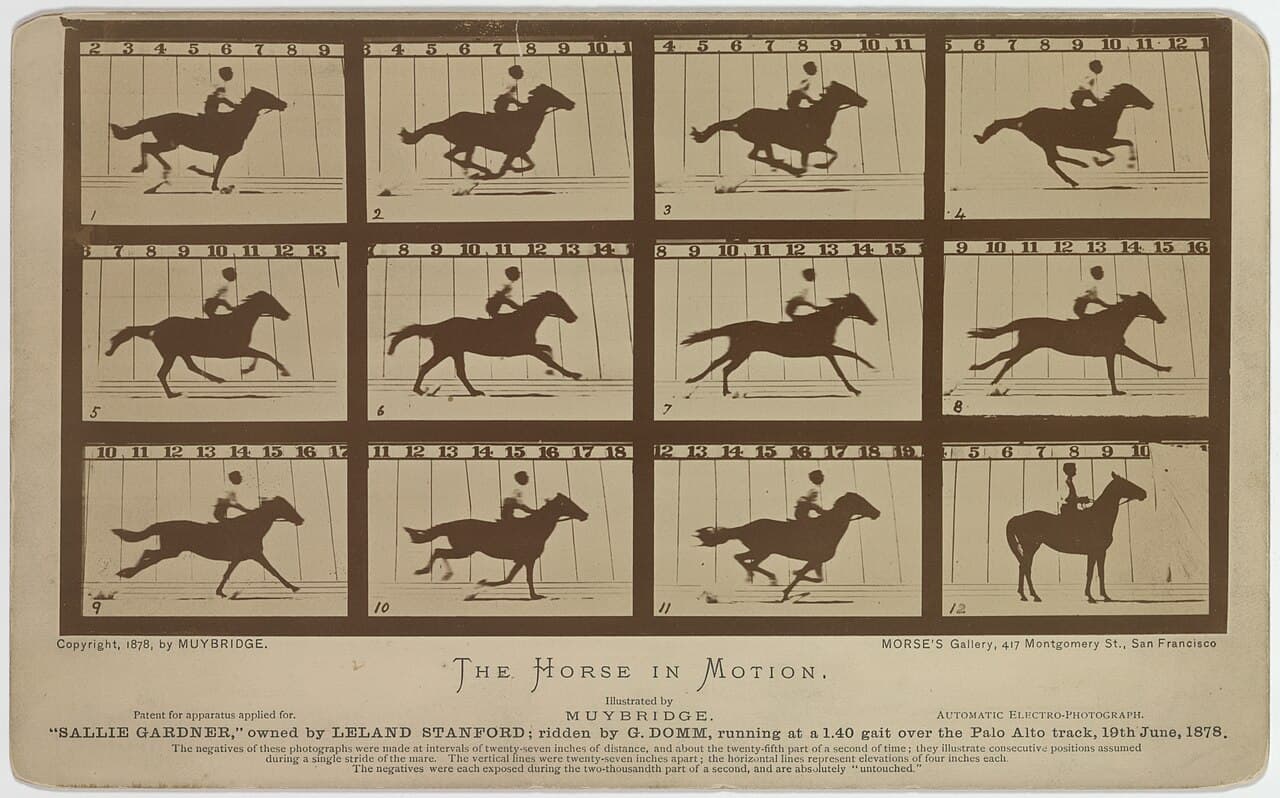
The Horse in MotionEadweard Muybridge, 1878 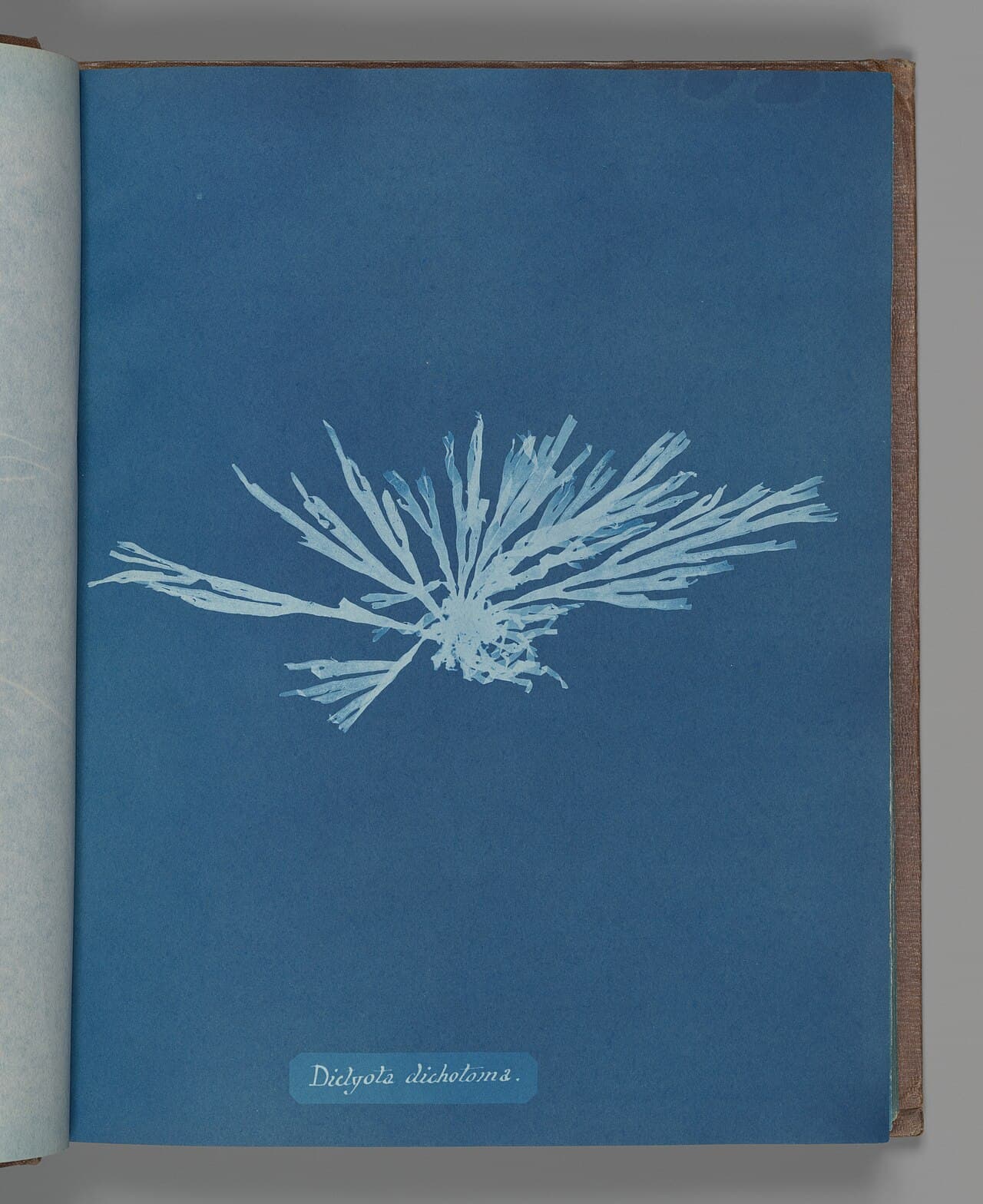
Dictyota dichotoma (cyanotype)Anna Atkins, c. 1853 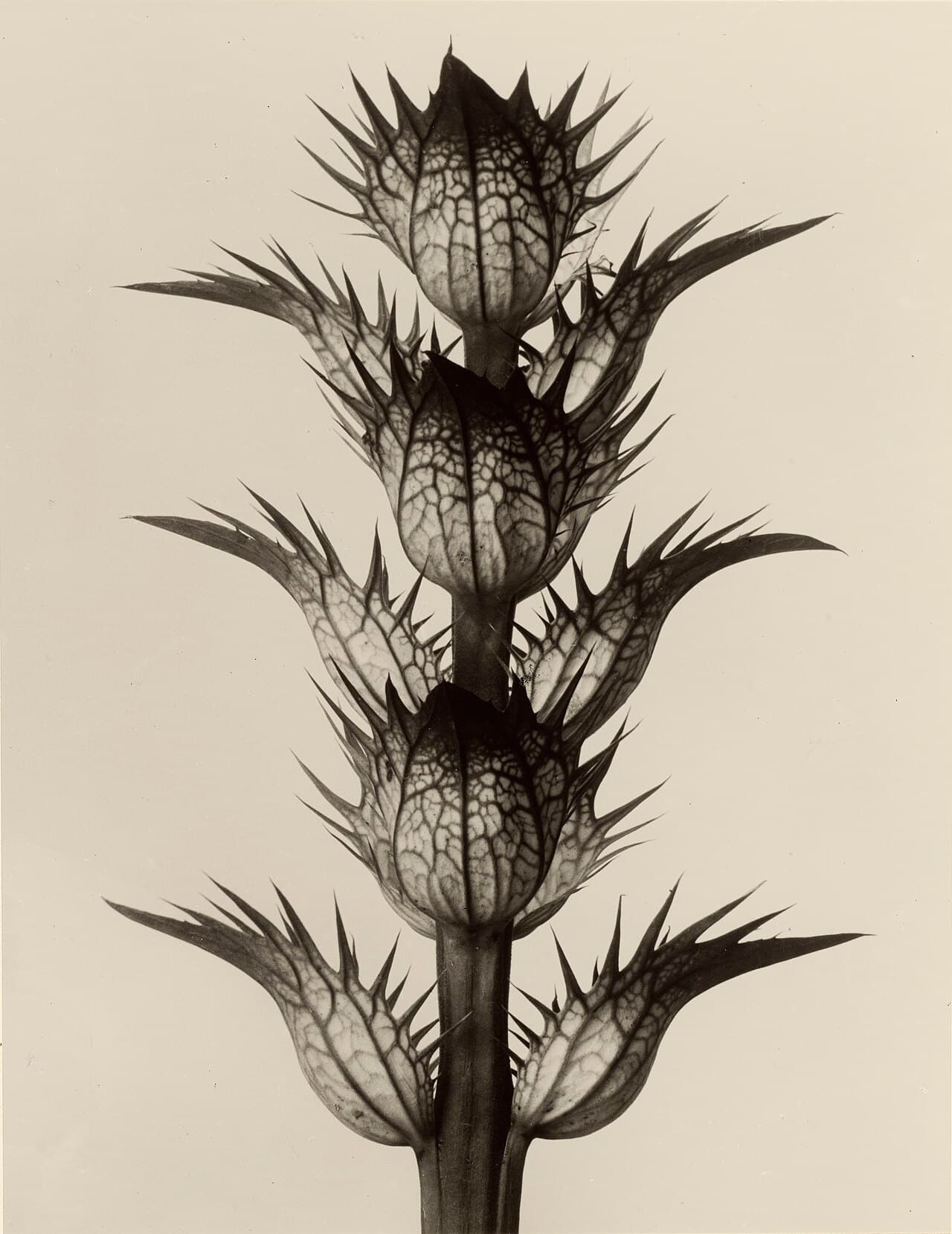
Acanthus mollisKarl Blossfeldt, 1928 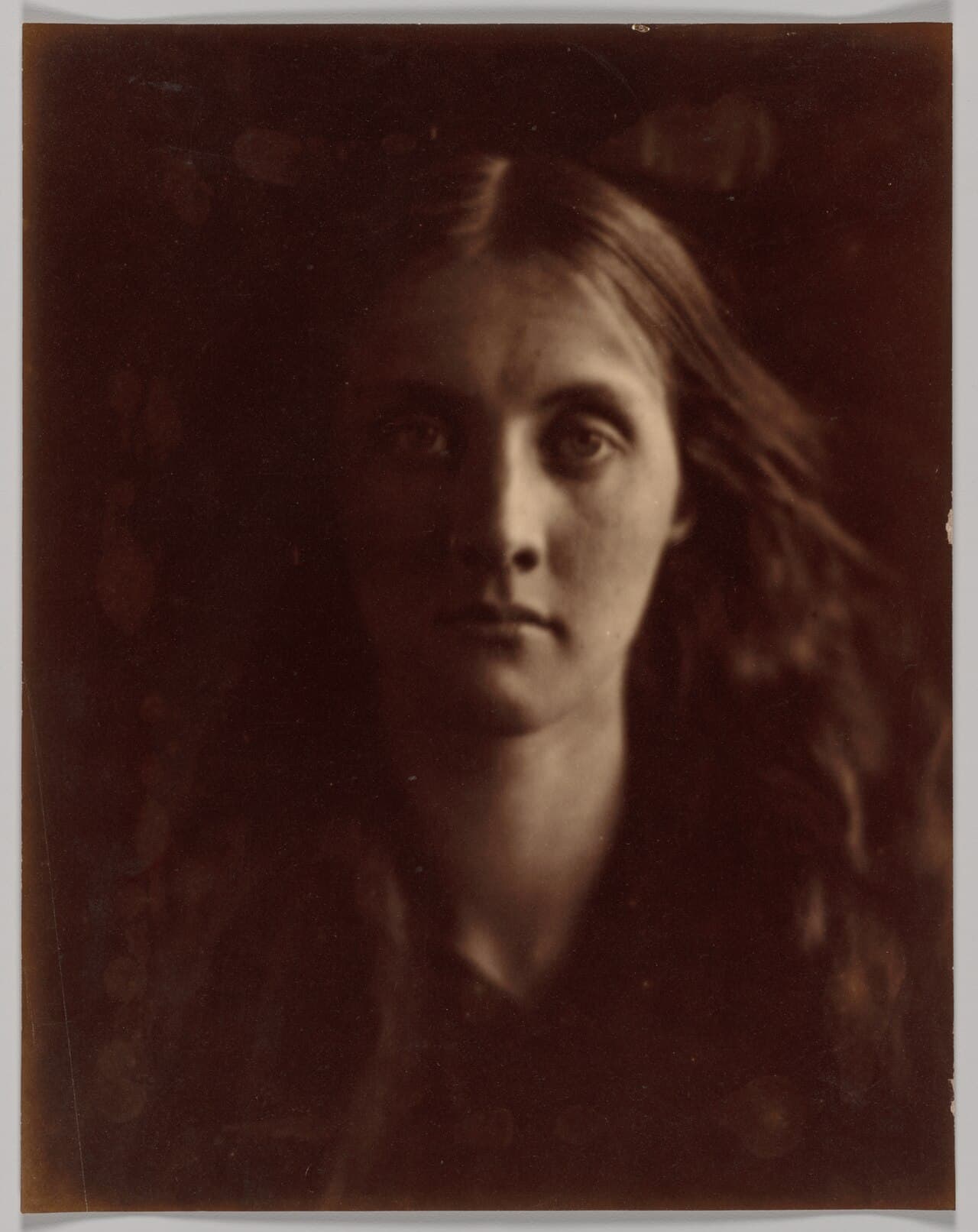
Julia JacksonJulia Margaret Cameron, 1867 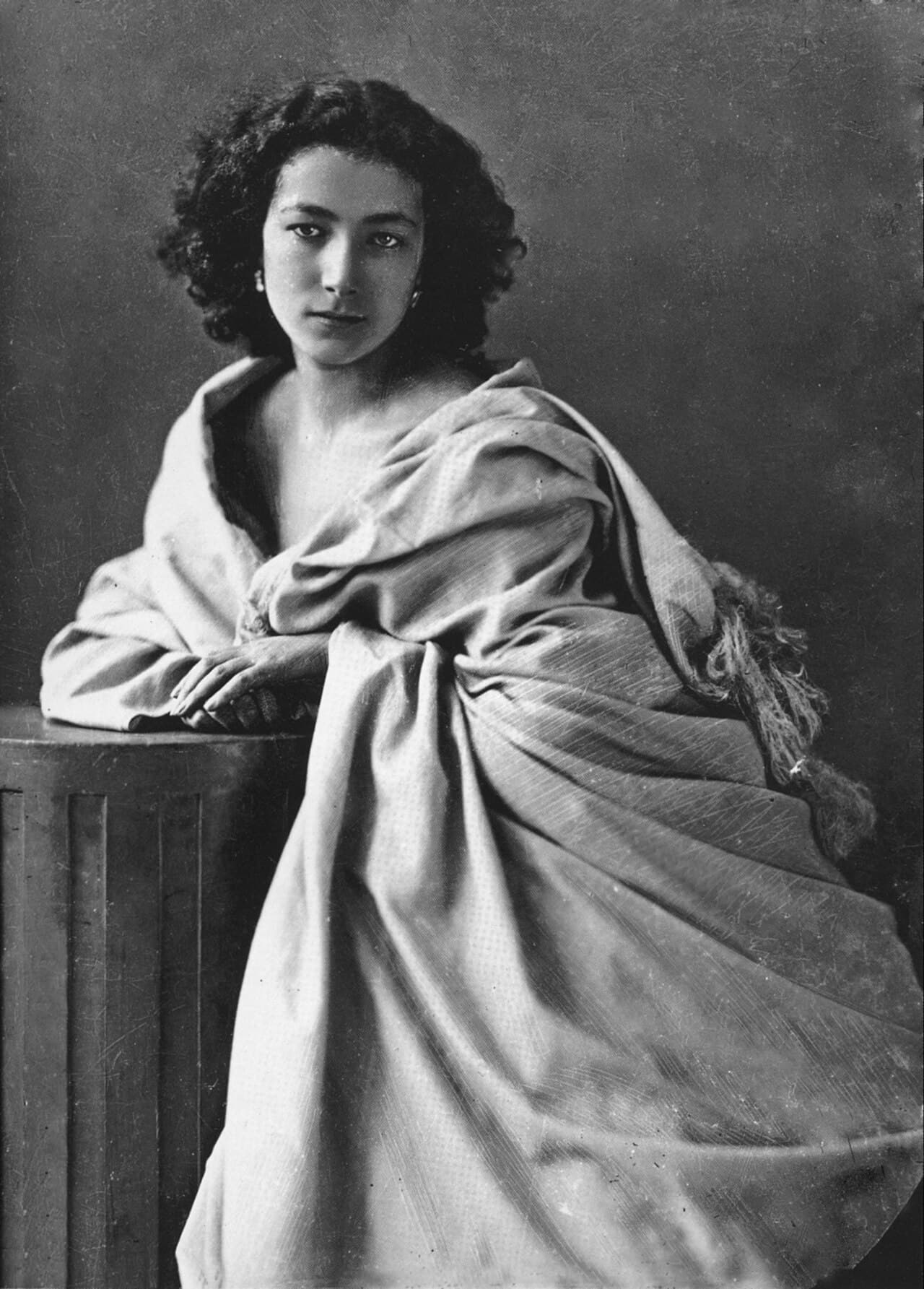
Sarah BernhardtNadar, c. 1864 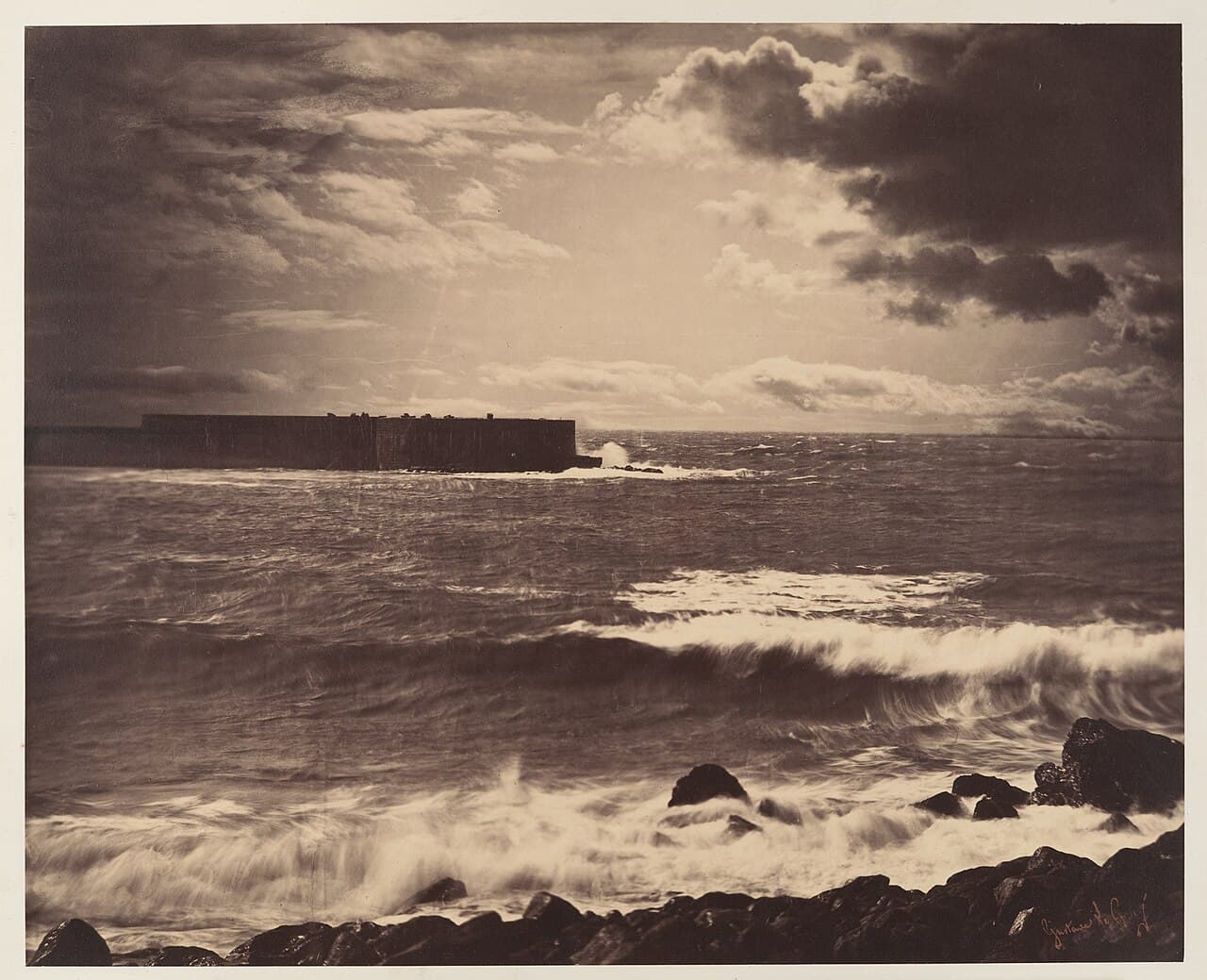
The Great Wave, SèteGustave Le Gray, 1857 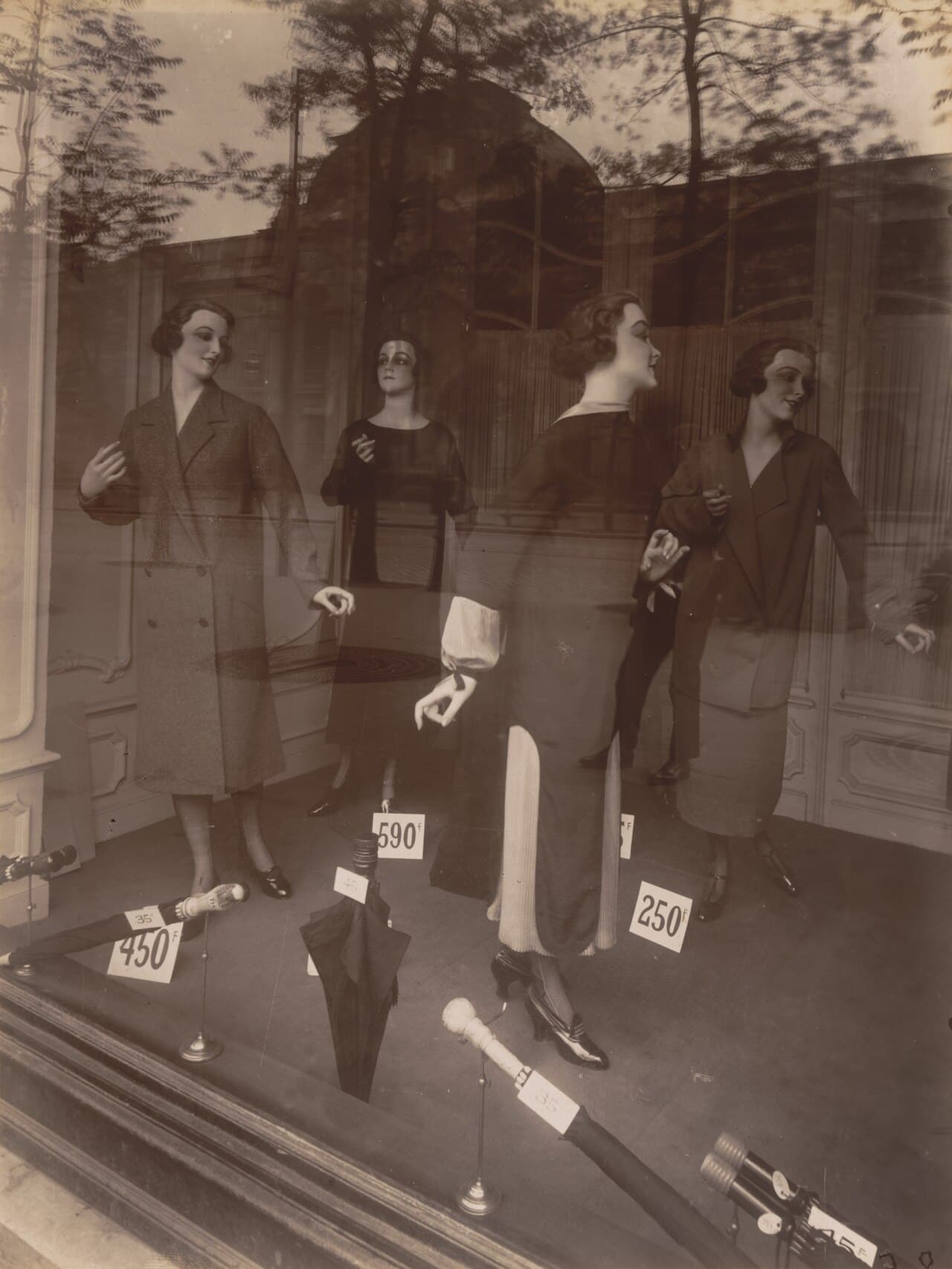
Shop, Avenue des GobelinsEugène Atget, 1925
Frequently asked questions
Who took the first photograph?
The oldest surviving camera photograph is Nicéphore Niépce’s view from 1826–27. Daguerre popularised photography with the daguerreotype, announced in 1839.