Art Guide
Art movements
The movements that changed painting: how they began, what they aimed for and who led them.
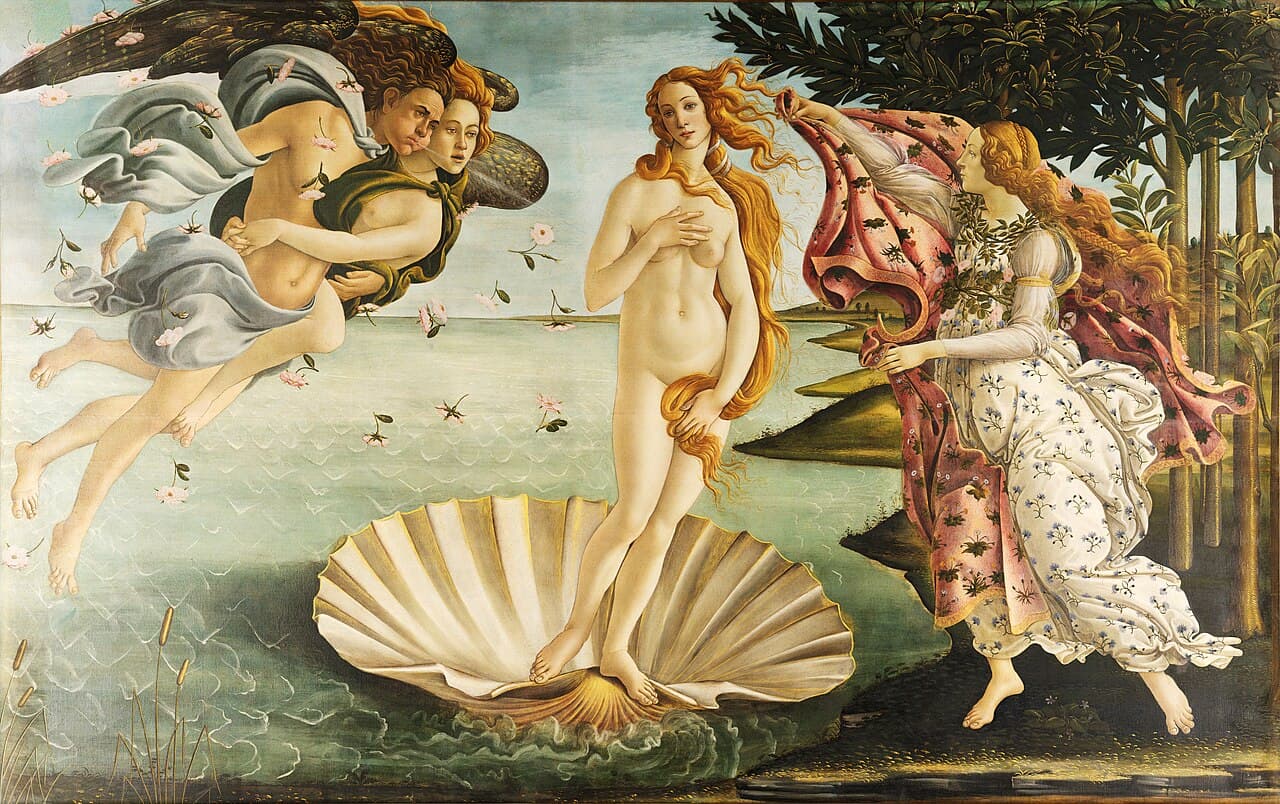
Renaissance
15th – 16th century
The Renaissance was the period of art that began in 15th-century Italy and spread across Europe. With the rediscovery of antiquity, perspective, anatomy and balanced composition became the foundations of painting; Leonardo, Michelangelo, Raphael and Botticelli are its masters.
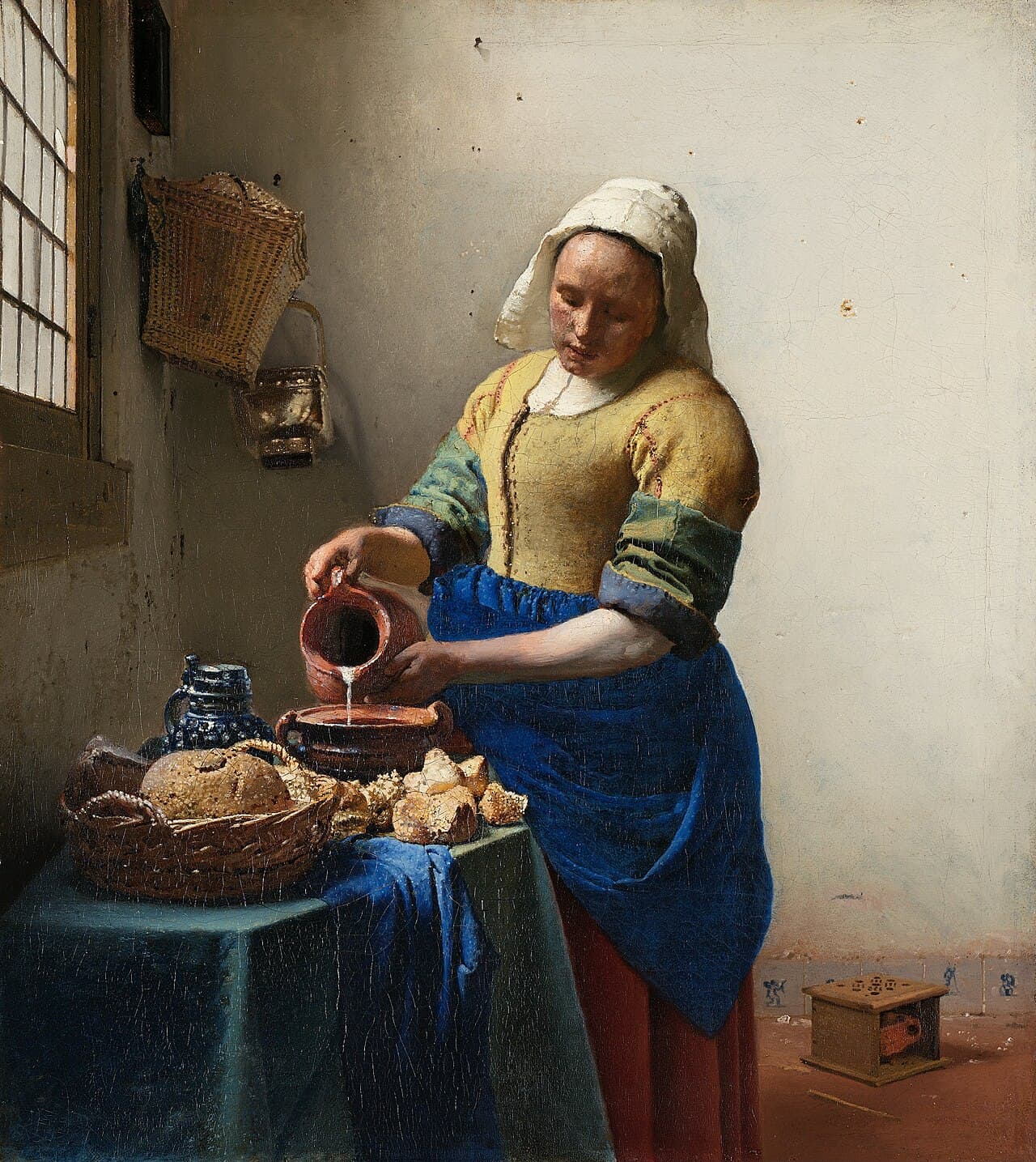
Baroque
17th century
Baroque is the style that dominated 17th-century European painting, known for dramatic light and shadow, movement and emotional intensity. Rembrandt and Vermeer in the Dutch Golden Age and Velázquez in Spain are its masters.
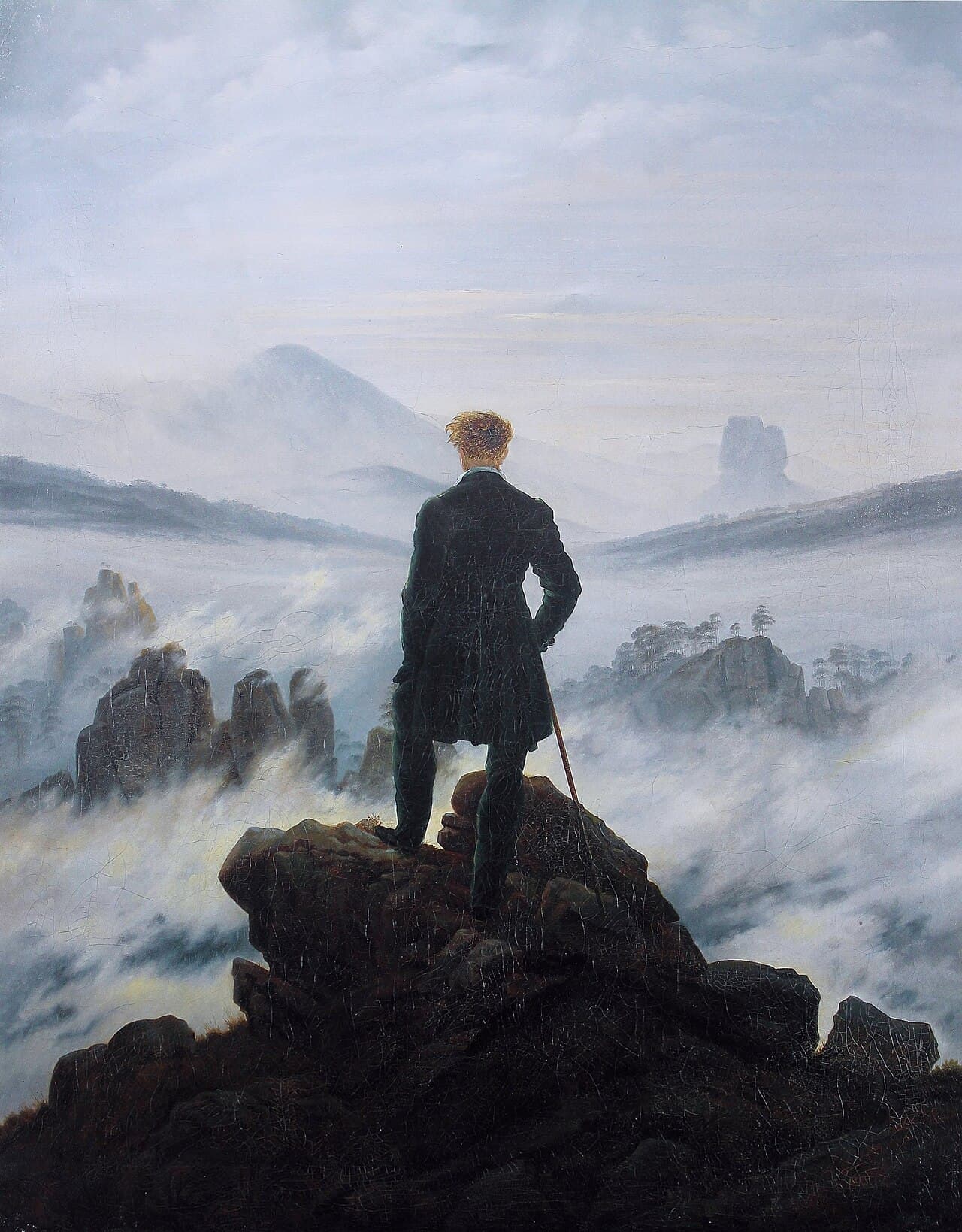
Romanticism
Late 18th – mid 19th century
Romanticism was the movement that shaped Europe from the late 18th to the mid-19th century, putting emotion before reason, the grandeur of nature before order, and the inner life of the individual first. Friedrich, Turner, Delacroix and Goya are its leading painters.
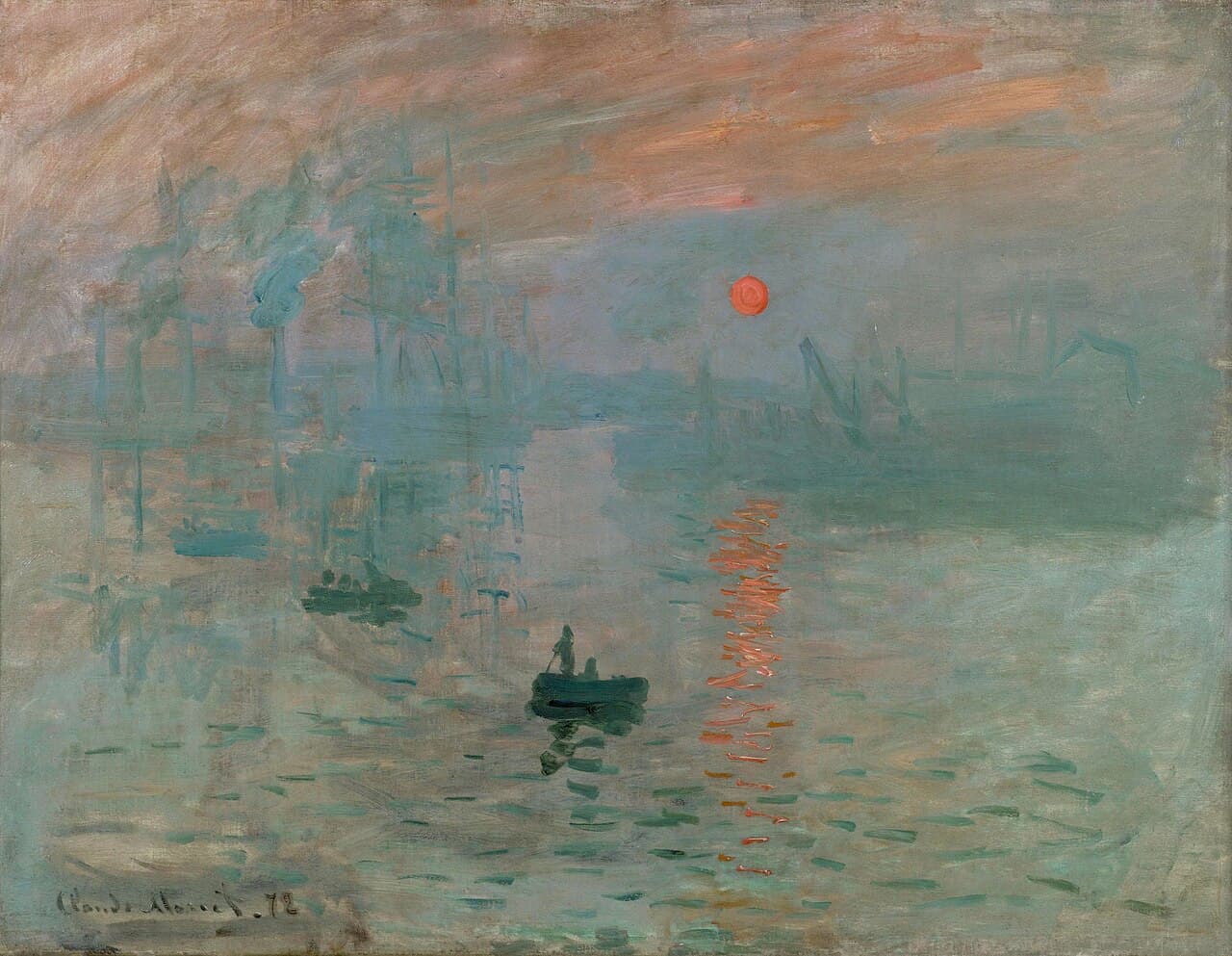
Impressionism
1860s – 1880s
Impressionism is the movement born in 1860s France that set out to capture the fleeting effect of light outdoors in quick brushstrokes. It took its name from Monet’s Impression, Sunrise (1872); Monet, Renoir, Degas and Manet are among its key figures.
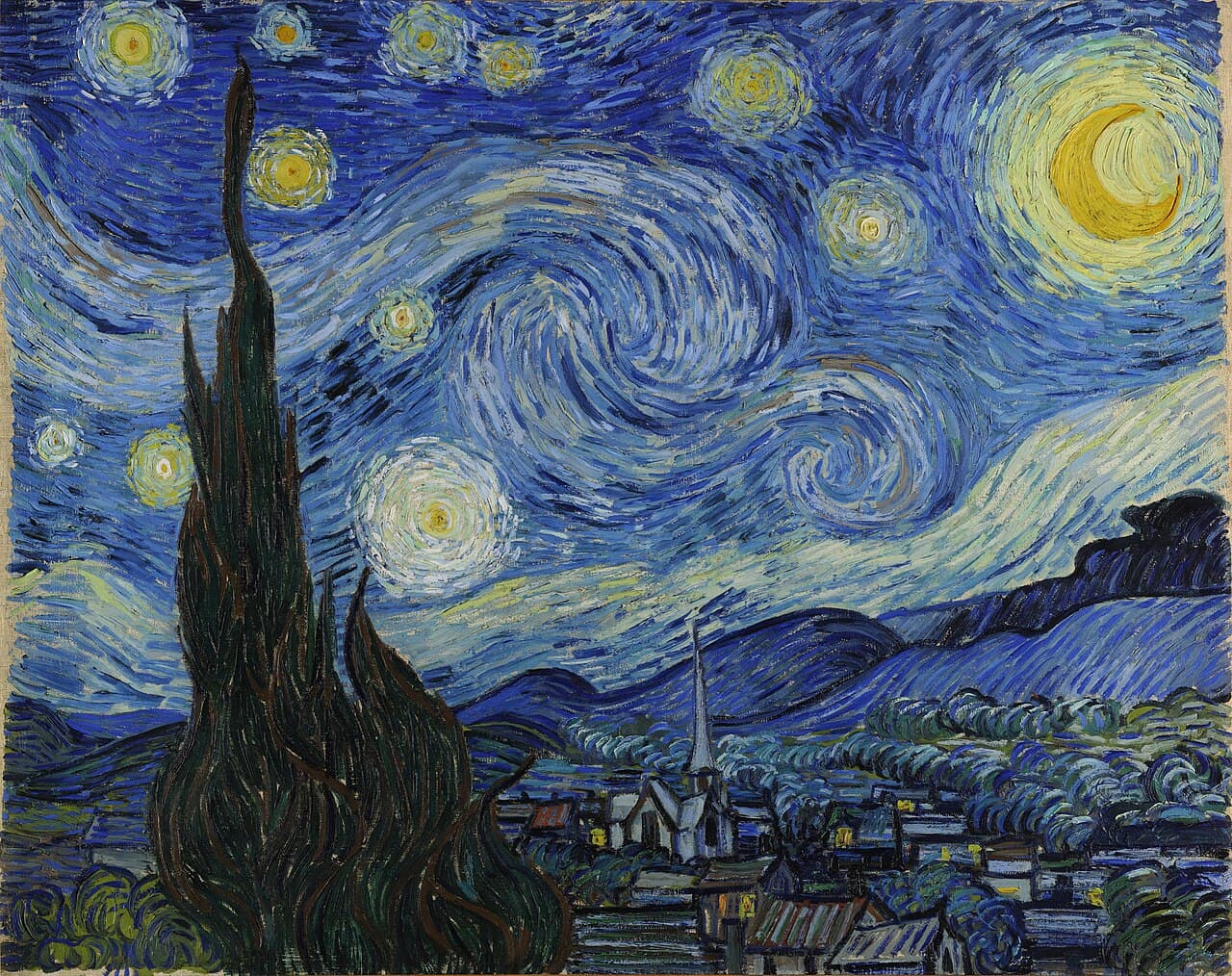
Post-Impressionism
1886 – 1905
Post-Impressionism covers the painters who, roughly between 1886 and 1905, took Impressionism’s light and colour and turned them towards structure, rhythm and personal expression. Van Gogh, Cézanne, Gauguin and Seurat are its masters.
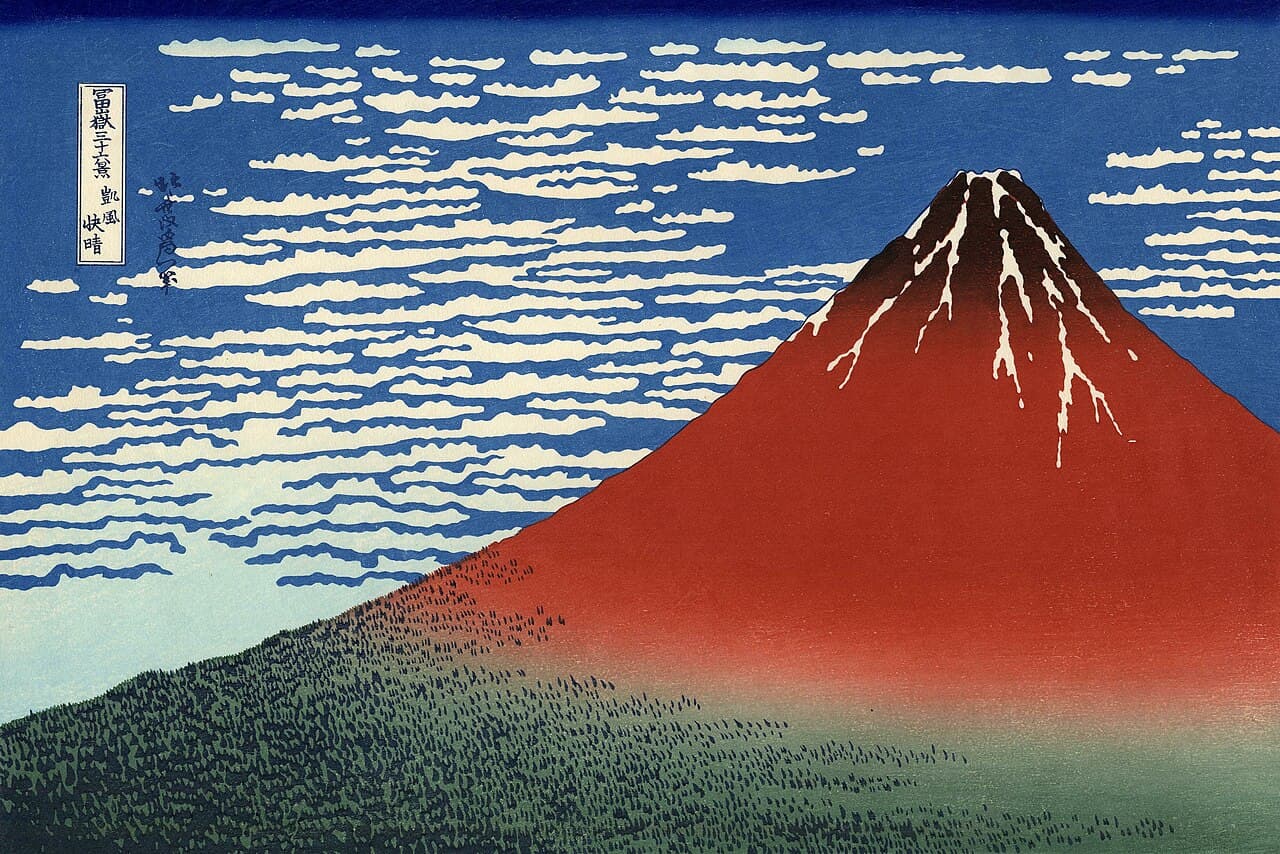
Ukiyo-e
Edo period
Ukiyo-e, “pictures of the floating world”, is the Japanese tradition of woodblock prints and paintings that flourished in the Edo period (17th–19th centuries). The landscape prints of Hokusai and Hiroshige deeply influenced 19th-century European art.
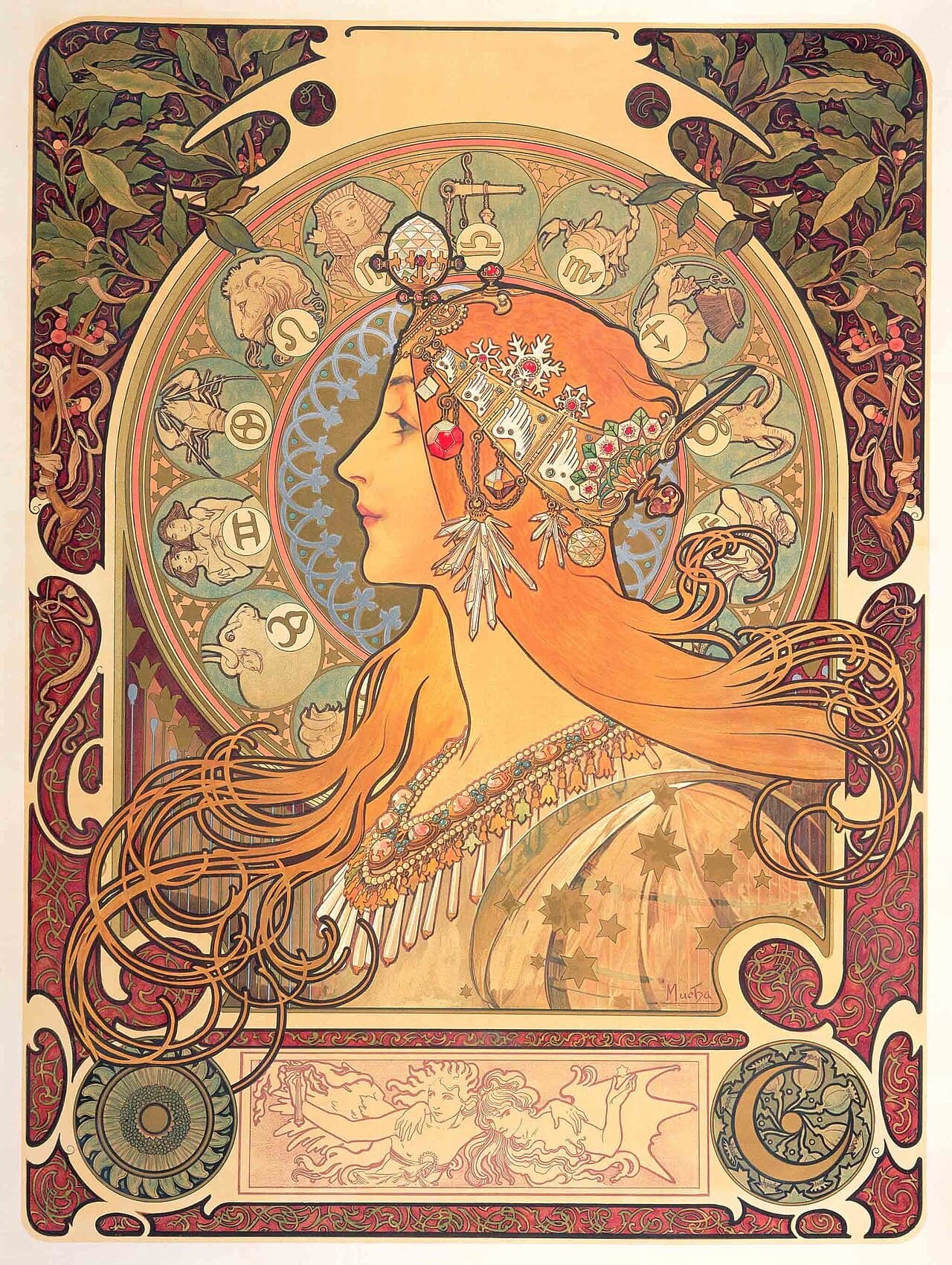
Art Nouveau
1890 – 1910
Art Nouveau (“New Art”) was the style, c. 1890–1910, that spread across Europe from architecture to posters, known for flowing lines and botanical motifs. Its best-known representatives in painting and posters are Alphonse Mucha and Gustav Klimt.
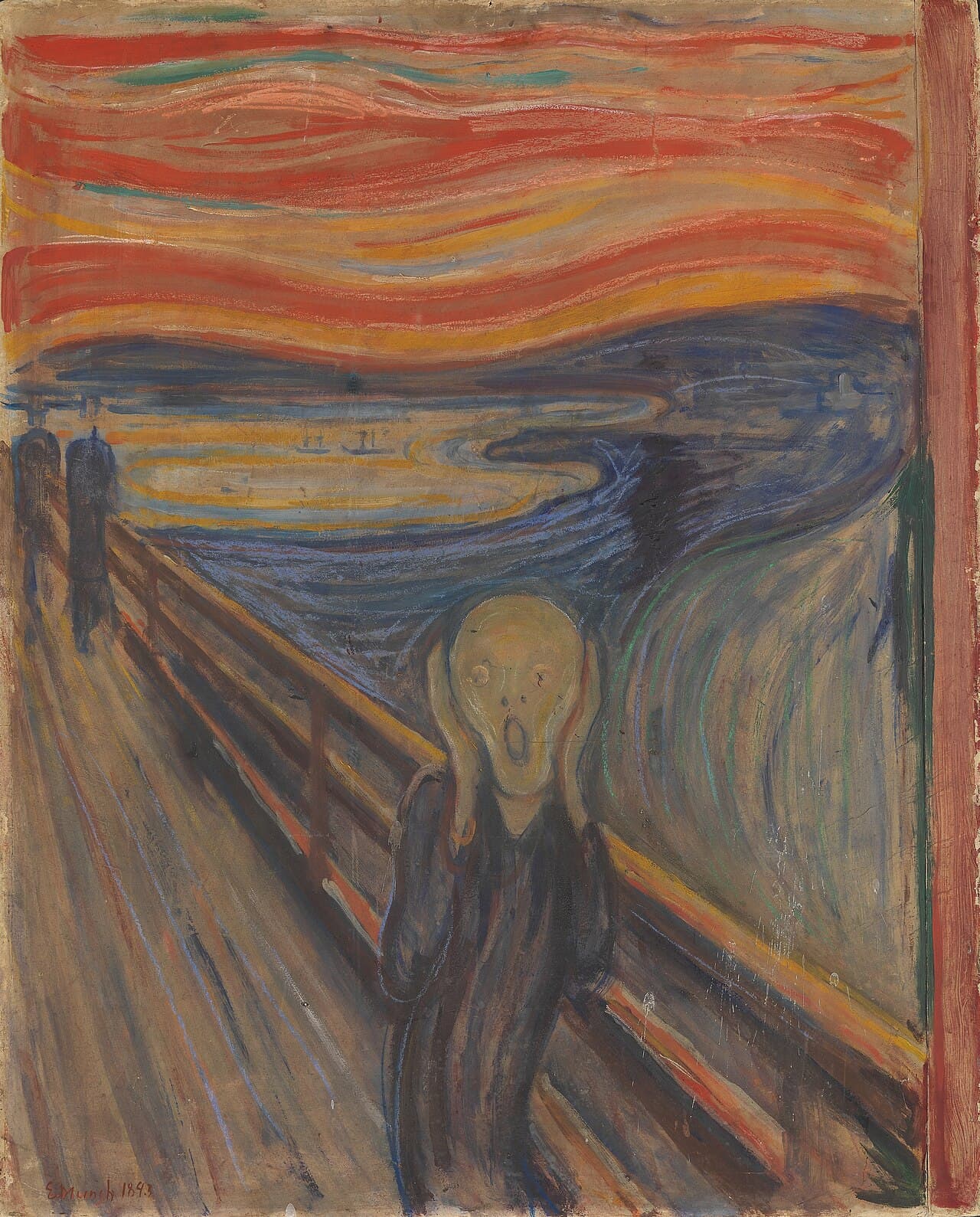
Expressionism
Late 19th – early 20th century
Expressionism was the movement, strongest in early 20th-century Germany and Austria, that conveyed inner feeling rather than outward appearance through bold colour and distorted form. Munch was its forerunner; Schiele and Franz Marc are among its key figures.
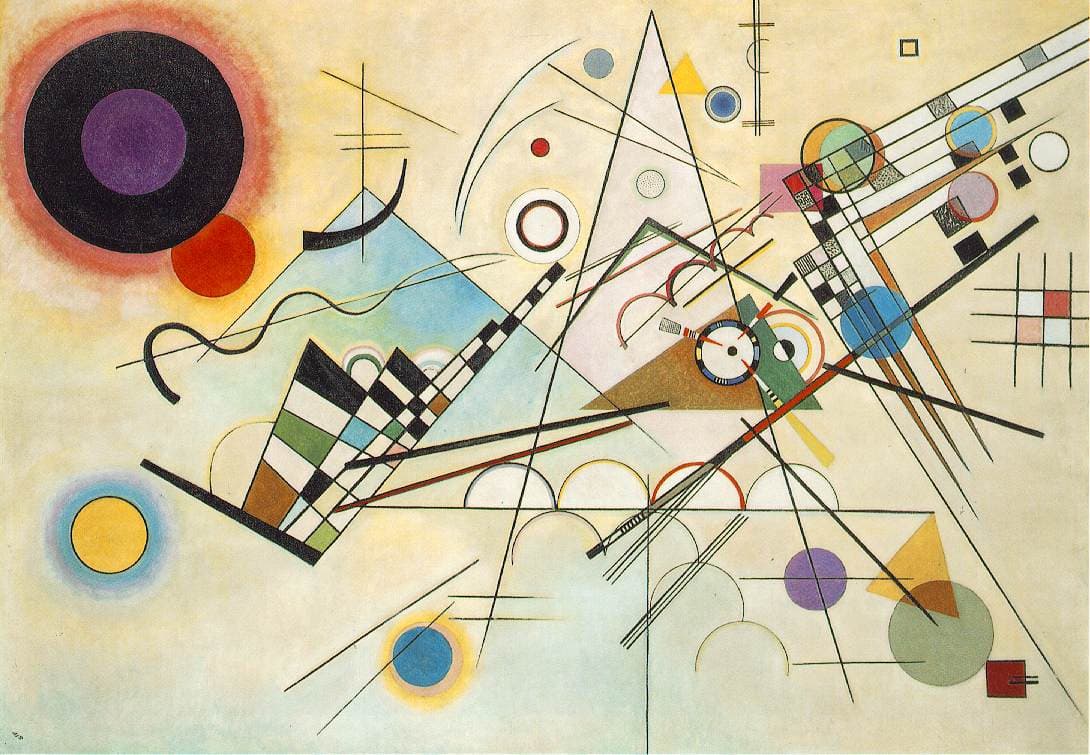
Abstract art
1907 – 1930
Abstract art is built purely from colour, form and line, without imitating the visible world. It developed from 1906 with Hilma af Klint and from the 1910s with Kandinsky, Mondrian and Klee.
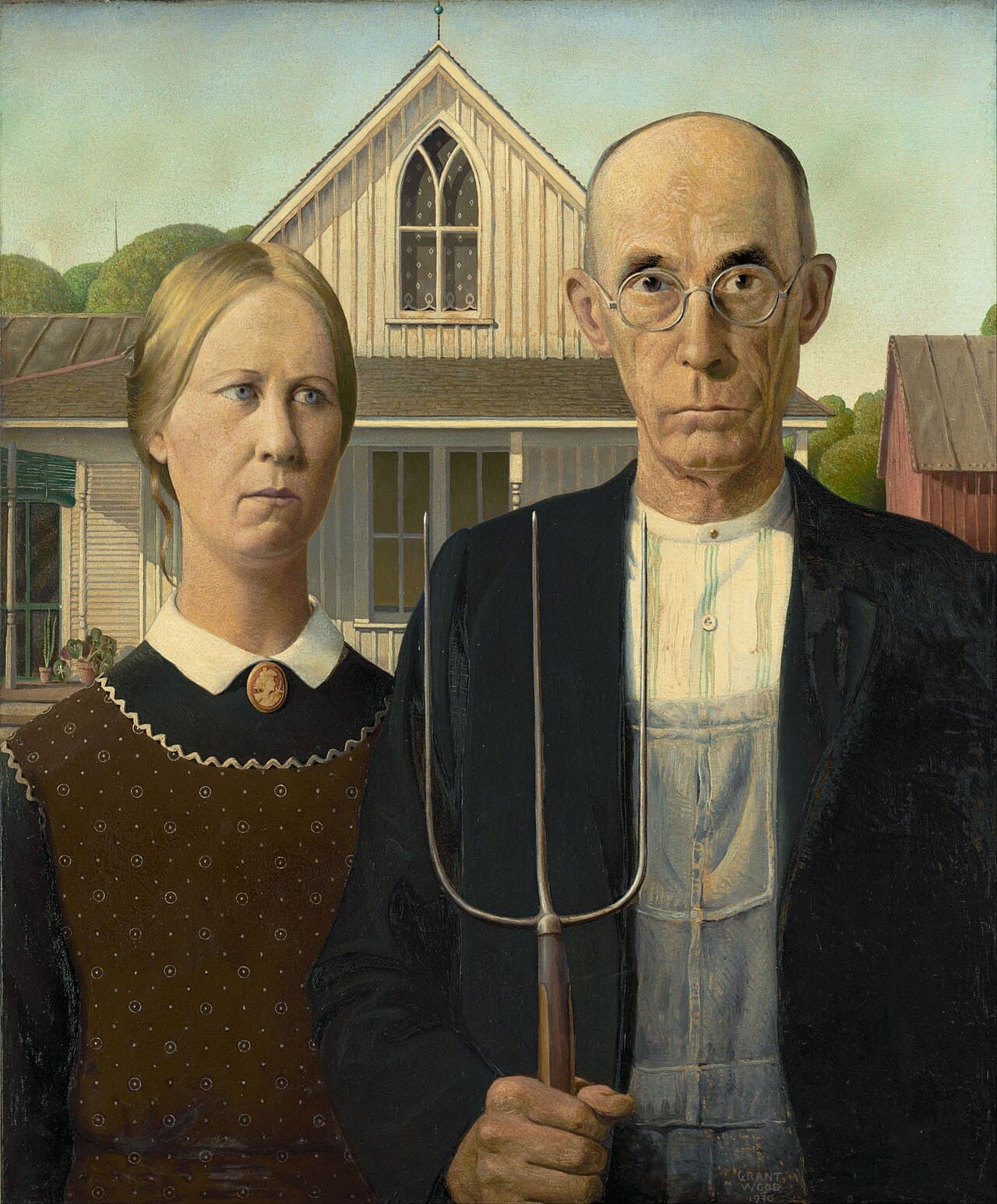
American Realism
1920s – 1940s
American Realism covers the artists of the first half of the 20th century who painted everyday life in American cities and the countryside realistically. Edward Hopper’s city scenes and Grant Wood’s Regionalism are the best-known examples.
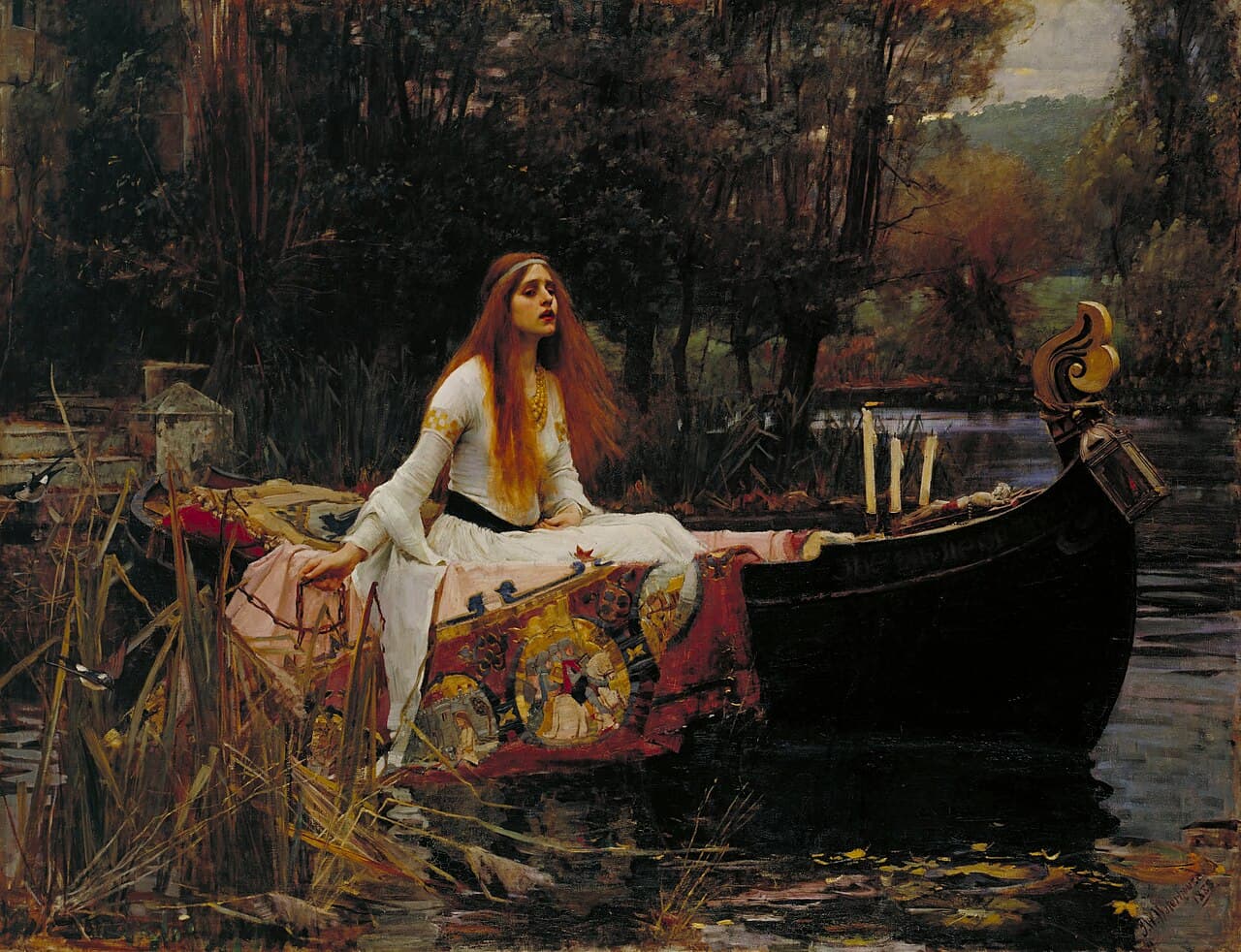
Pre-Raphaelites
1848 – 1900
The Pre-Raphaelite Brotherhood was founded in London in 1848 by Dante Gabriel Rossetti, John Everett Millais and William Holman Hunt, aiming to return to the sincerity of art before Raphael and to truth to nature.
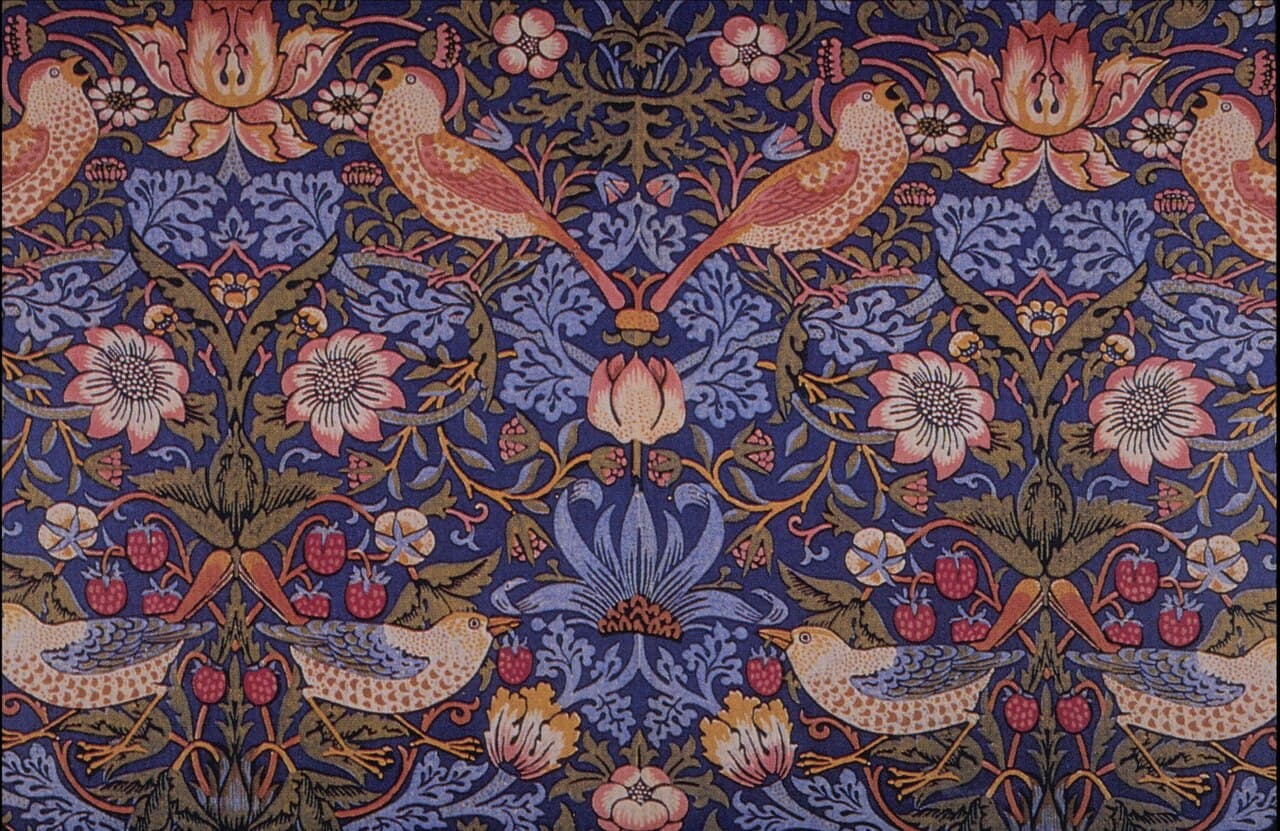
Arts and Crafts
1880 – 1920
Arts and Crafts was the movement born in late-19th-century Britain under William Morris, championing craftsmanship, nature-inspired design and good materials against mass production.
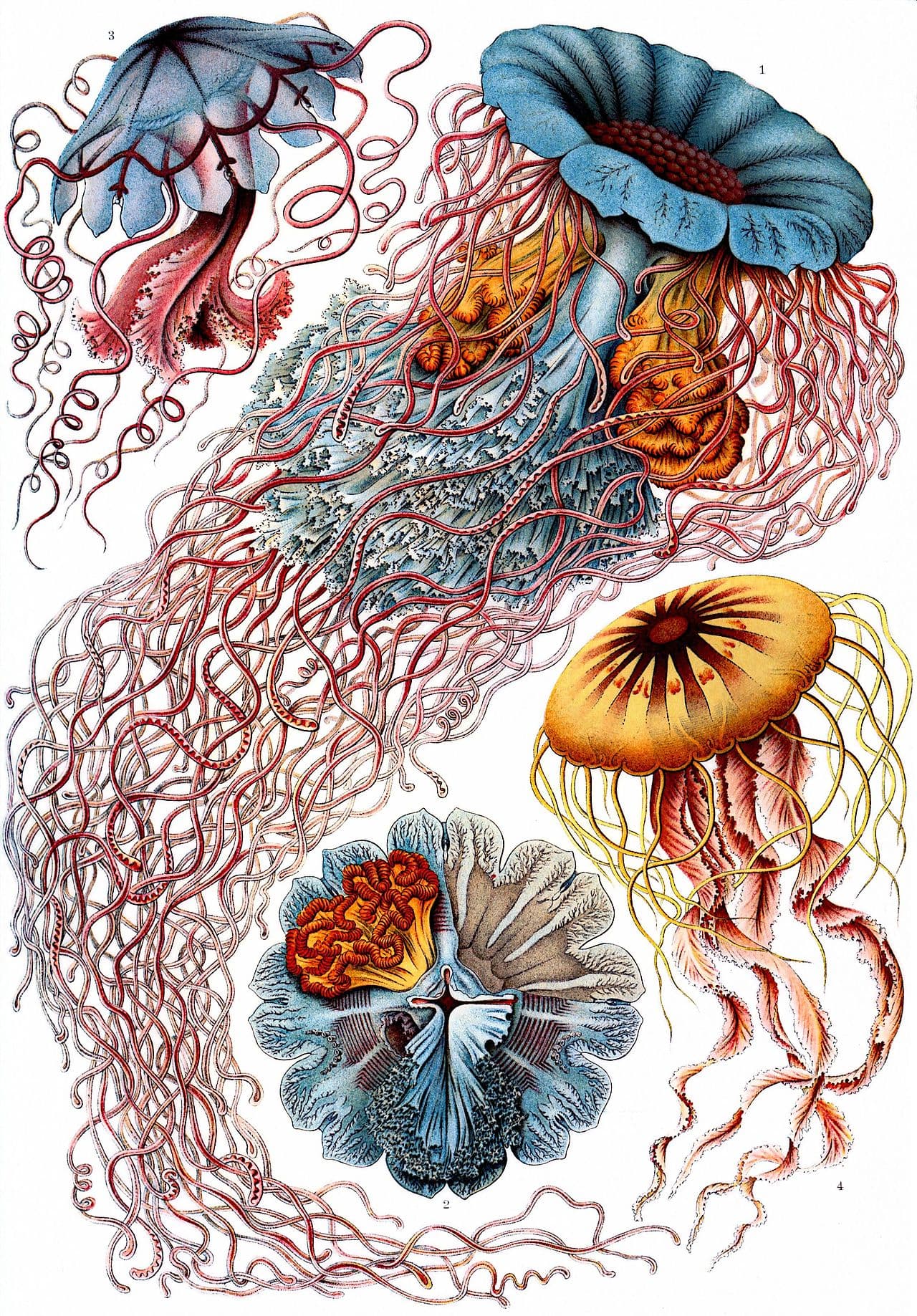
Natural history illustration
19th – early 20th century
Natural history illustration is the tradition of documenting plants, animals and sea life with scientific accuracy. Audubon’s birds and Haeckel’s sea creatures are the best-known examples of work made for science and loved as art.
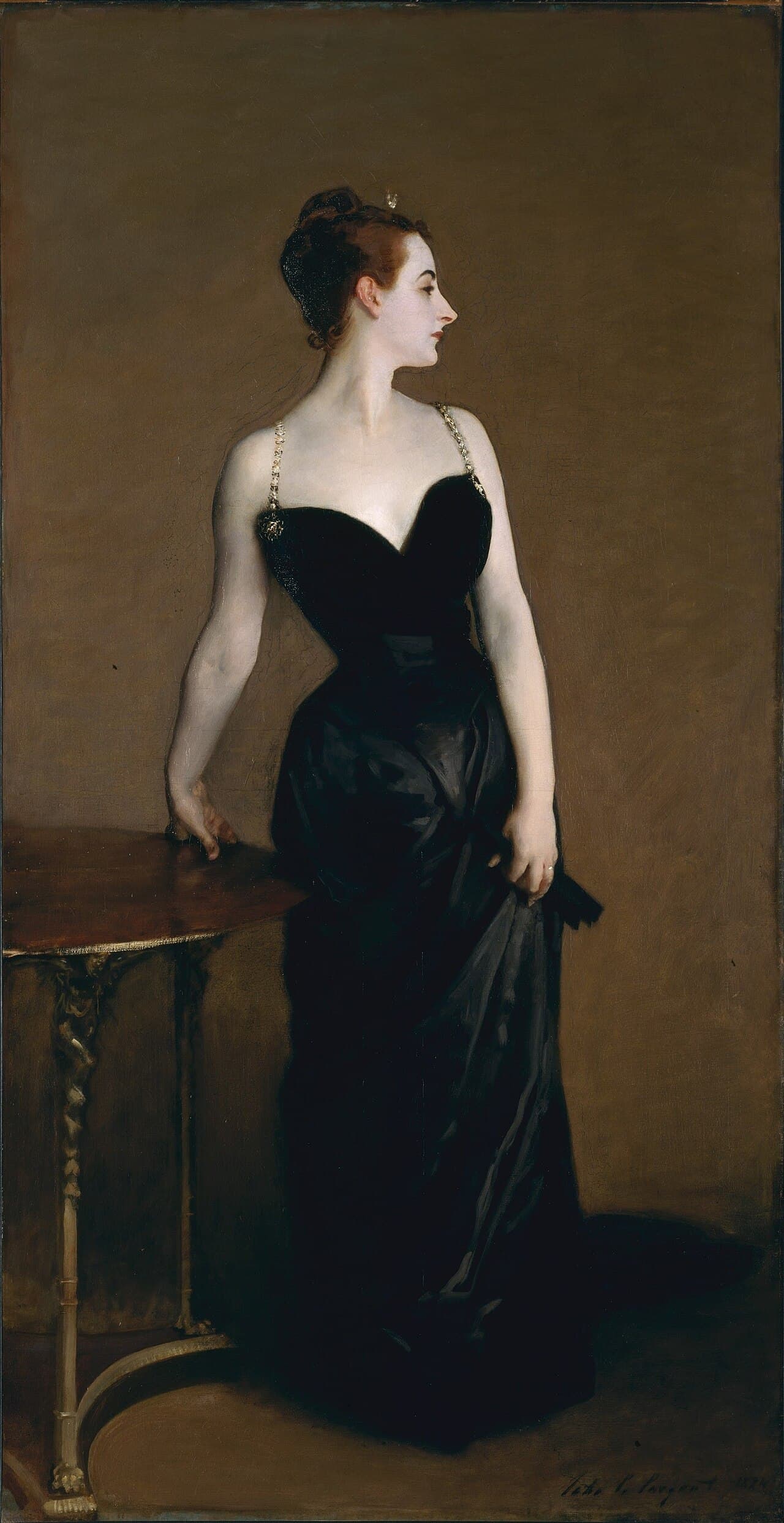
Realism
19th century
Realism was the 19th-century approach of painting contemporary life, people and nature as they are, rather than idealised academic subjects. In this collection it is represented by Whistler, Winslow Homer, John Singer Sargent and Vilhelm Hammershøi.
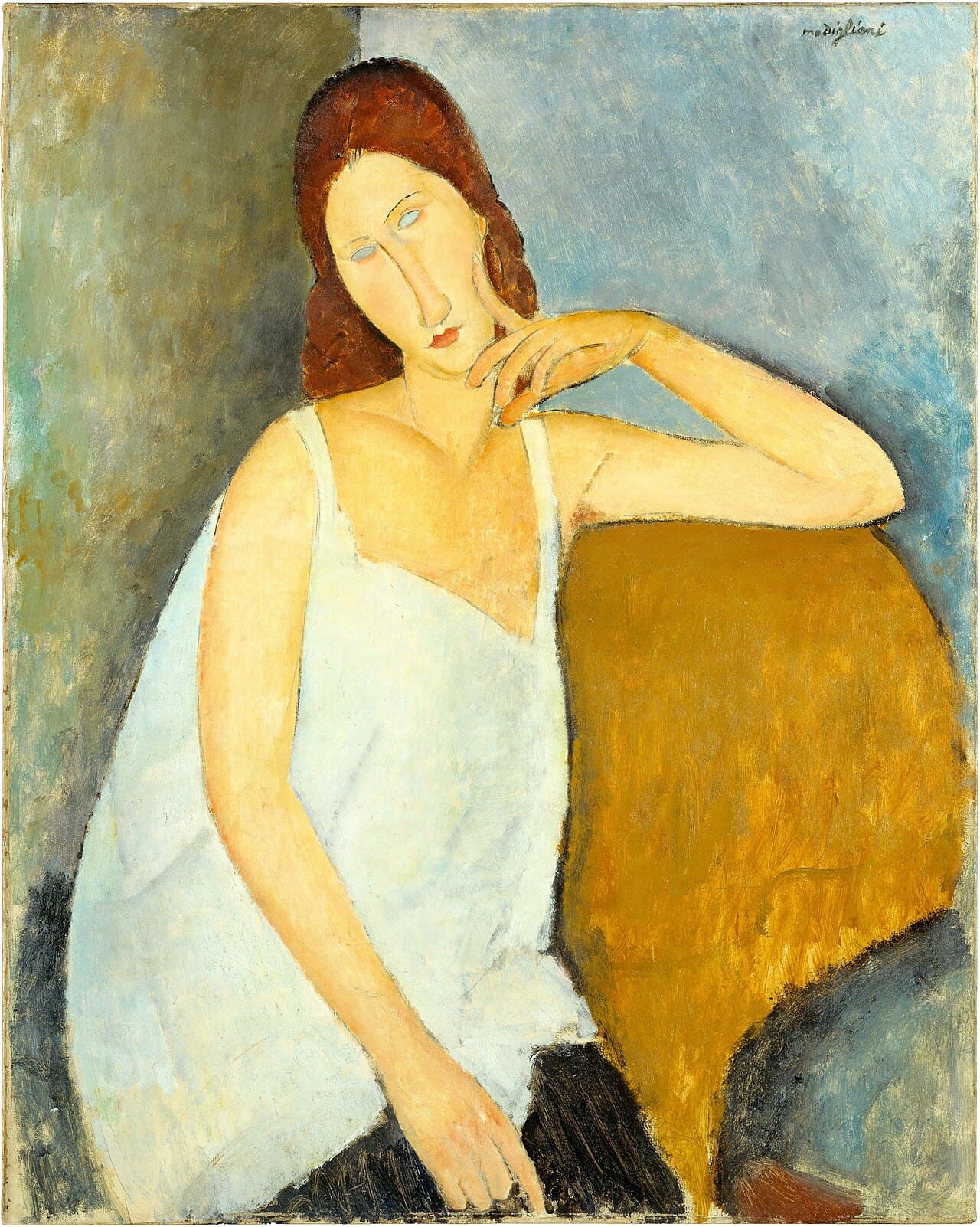
School of Paris
1900 – 1940
The School of Paris (École de Paris) is a general name for the artists from around the world who came to Paris and worked in Montmartre and Montparnasse in the first half of the 20th century. Modigliani, Chagall, Soutine and Brâncuși are among its best-known names.
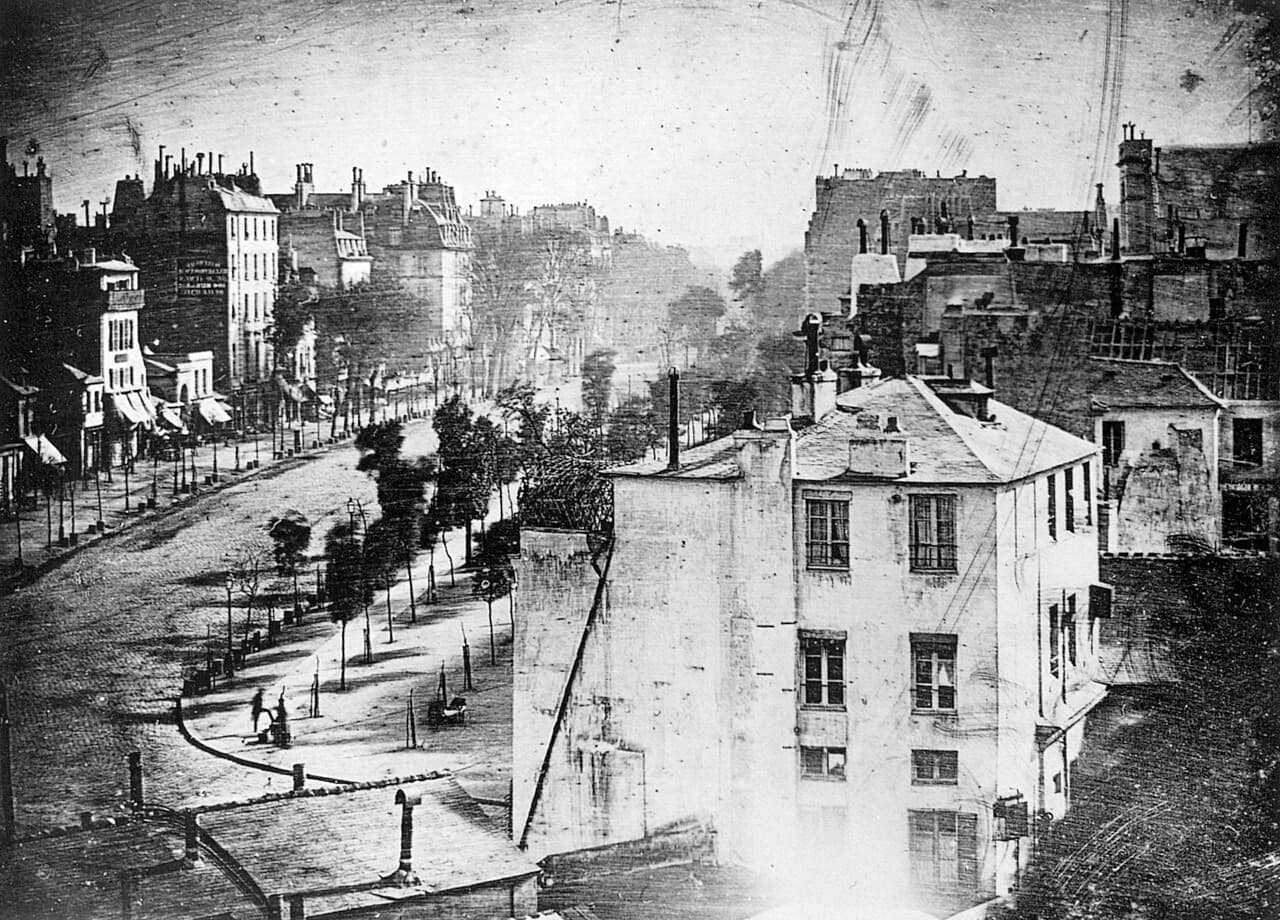
Early Photography
1838 – 1930
Early photography spans the years from the announcement of the daguerreotype in 1839 to the 1930s, when photography grew from a technical curiosity into a language of art and record.