Art Guide · Painters
John William Waterhouse
1849–1917
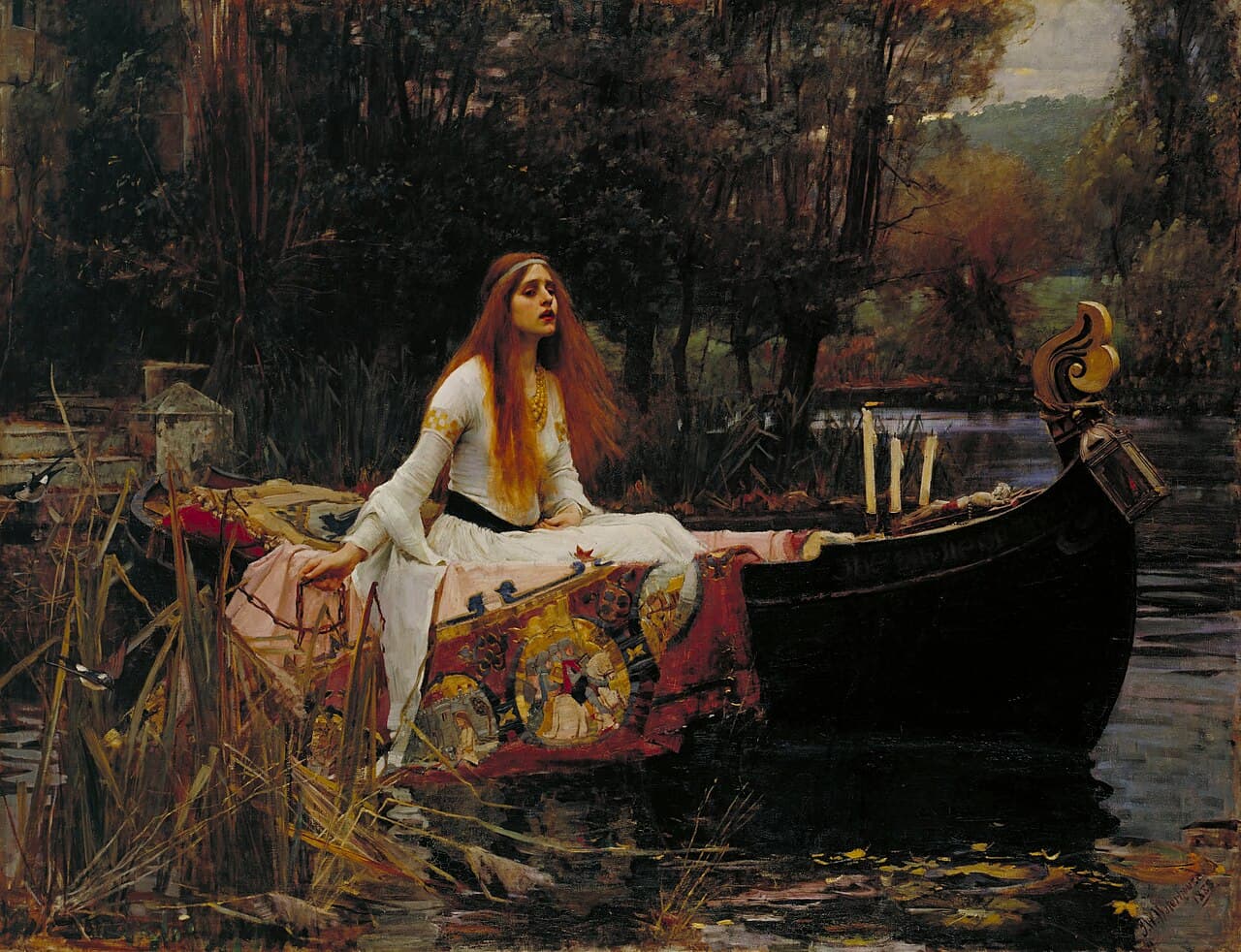
John William Waterhouse (1849–1917) was an English painter in the Pre-Raphaelite tradition who painted heroines from legend, mythology and poetry. His most famous work is The Lady of Shalott (1888).
Last updated: · Iconica Society editors
Life
Born in Rome to parents who were both painters, he moved to London with his family as a child and trained at the Royal Academy schools. He first painted scenes of ancient Rome, then turned to the literary subjects of the Pre-Raphaelites. He became a Royal Academician in 1895.
Style and key works
Waterhouse combined the poetic subjects of the Pre-Raphaelites with a freer brushwork influenced by Impressionism. He painted The Lady of Shalott, from Tennyson’s poem, three times; the 1888 version is in Tate Britain in London and is one of the museum’s best-loved works.
Frequently asked questions
Who is the Lady of Shalott?
The heroine of Tennyson’s poem of the same name: a cursed young woman, inspired by Arthurian legend, forbidden to look directly at Camelot.
Was Waterhouse a Pre-Raphaelite?
He was not a founding member of the Brotherhood, coming a generation later, but his subjects and style make him its best-known follower.