Impressionism vs Post-Impressionism: what’s the difference?
What separates Monet from Van Gogh? We compare the two movements side by side: aims, techniques and painters.
· Iconica Society editors
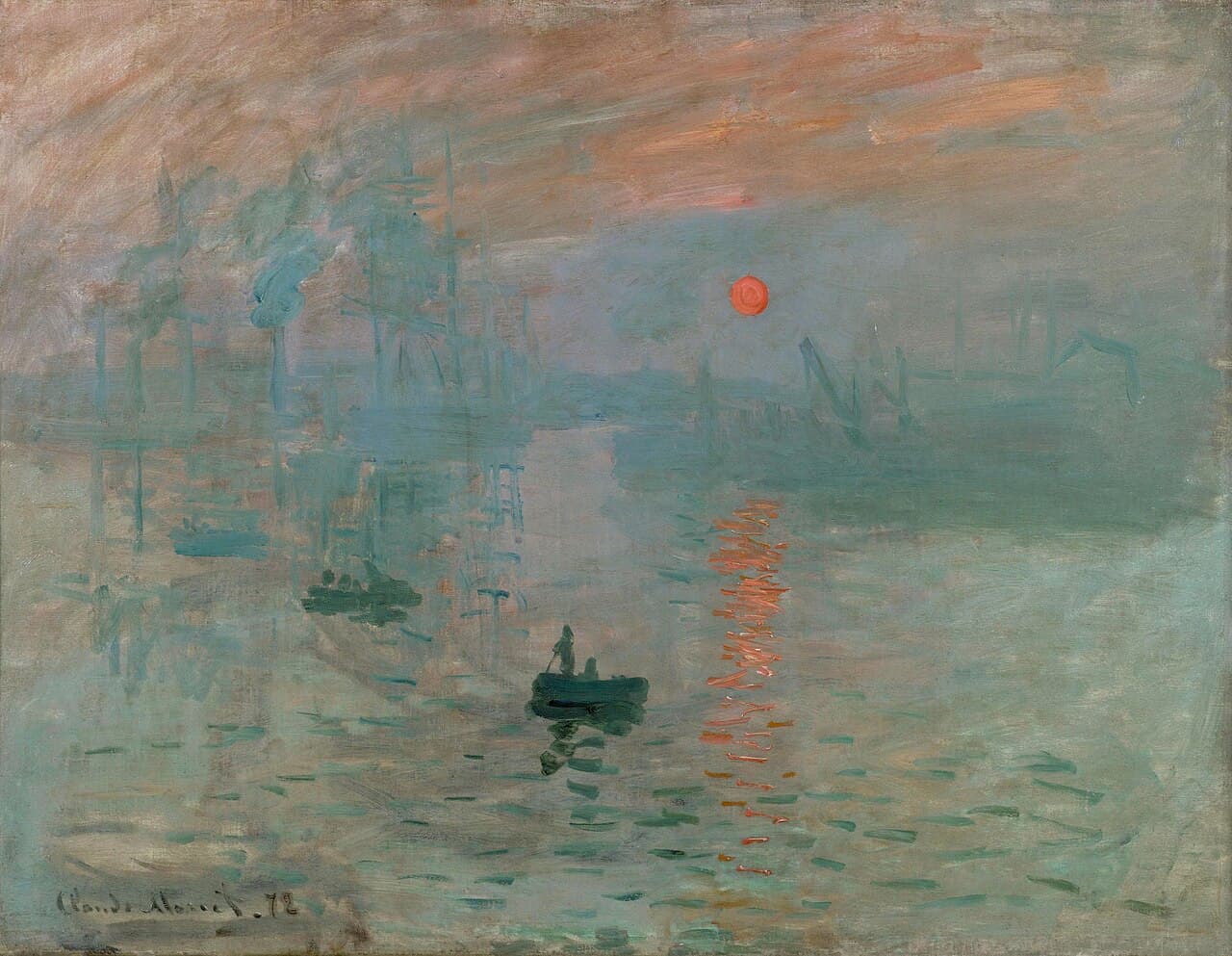
The two movements were born in the same years, in the same city and often among the same painters, so they are easily confused. The shortest way to tell them apart: the Impressionists painted what they saw; the Post-Impressionists started from what they saw and painted what they felt and thought.
Impressionism: the light of the moment
In the 1870s Monet, Renoir and their friends worked outdoors with quick, short brushstrokes. The aim was to catch the effect of light at a particular moment. The subject was often ordinary: a sunrise, a poppy field, lunch by the river.
Post-Impressionism: structure and feeling
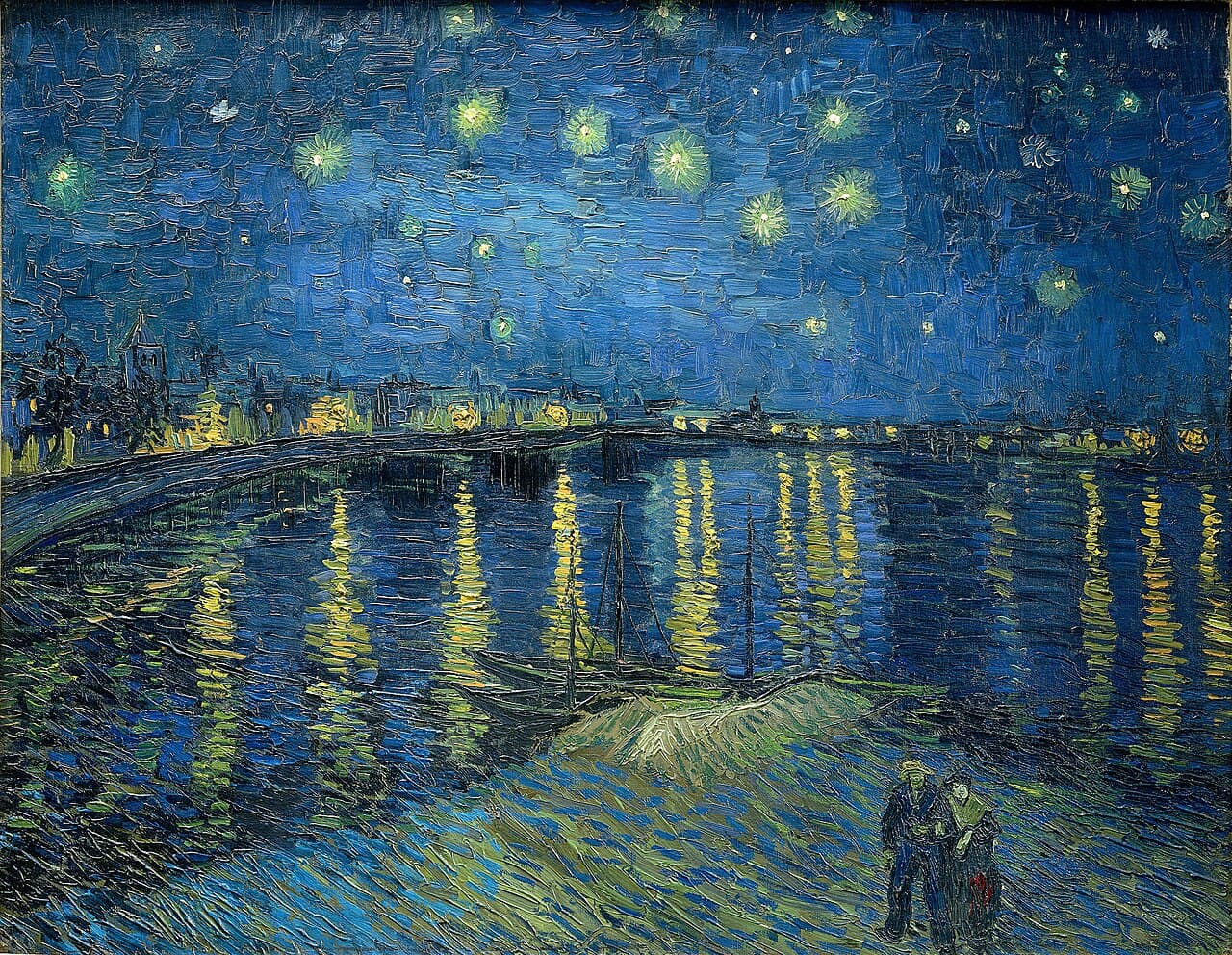
From the mid-1880s a group of painters took this language in different directions. Van Gogh made colour and brushwork a vehicle for emotion; Cézanne rebuilt nature from geometric planes; Seurat built pictures from small dots of colour; Gauguin worked with flat colour and symbols.
At a glance
- Aim: Impressionism captures the moment and its light; Post-Impressionism puts structure, symbol and emotion first.
- Brushwork: short and light in Impressionism; in Post-Impressionism thick and directional (Van Gogh), dotted (Seurat) or planar (Cézanne), depending on the painter.
- Colour: observed colour in Impressionism; often heightened for expression in Post-Impressionism.
- Period: Impressionism roughly 1860s–1880s; Post-Impressionism roughly 1886–1905.
For your wall: choose an Impressionist landscape for a calm, airy room, and a Post-Impressionist work for energy and character.
More in the guide
Collections to go with this article
More articles
Decorating ·
How to hang art: the right height and layout
How high should you hang a picture, what size suits the space above a sofa, and how do you plan a gallery wall? Easy rules to follow.
Prints and framing ·
How to choose a poster size: from 30 × 40 to 70 × 100
Which size for which wall? An easy way to choose poster sizes by room, furniture and viewing distance.