Art Guide · Art movements
Post-Impressionism
1886 – 1905
Post-Impressionism covers the painters who, roughly between 1886 and 1905, took Impressionism’s light and colour and turned them towards structure, rhythm and personal expression. Van Gogh, Cézanne, Gauguin and Seurat are its masters.
Last updated: · Iconica Society editors
Not one style
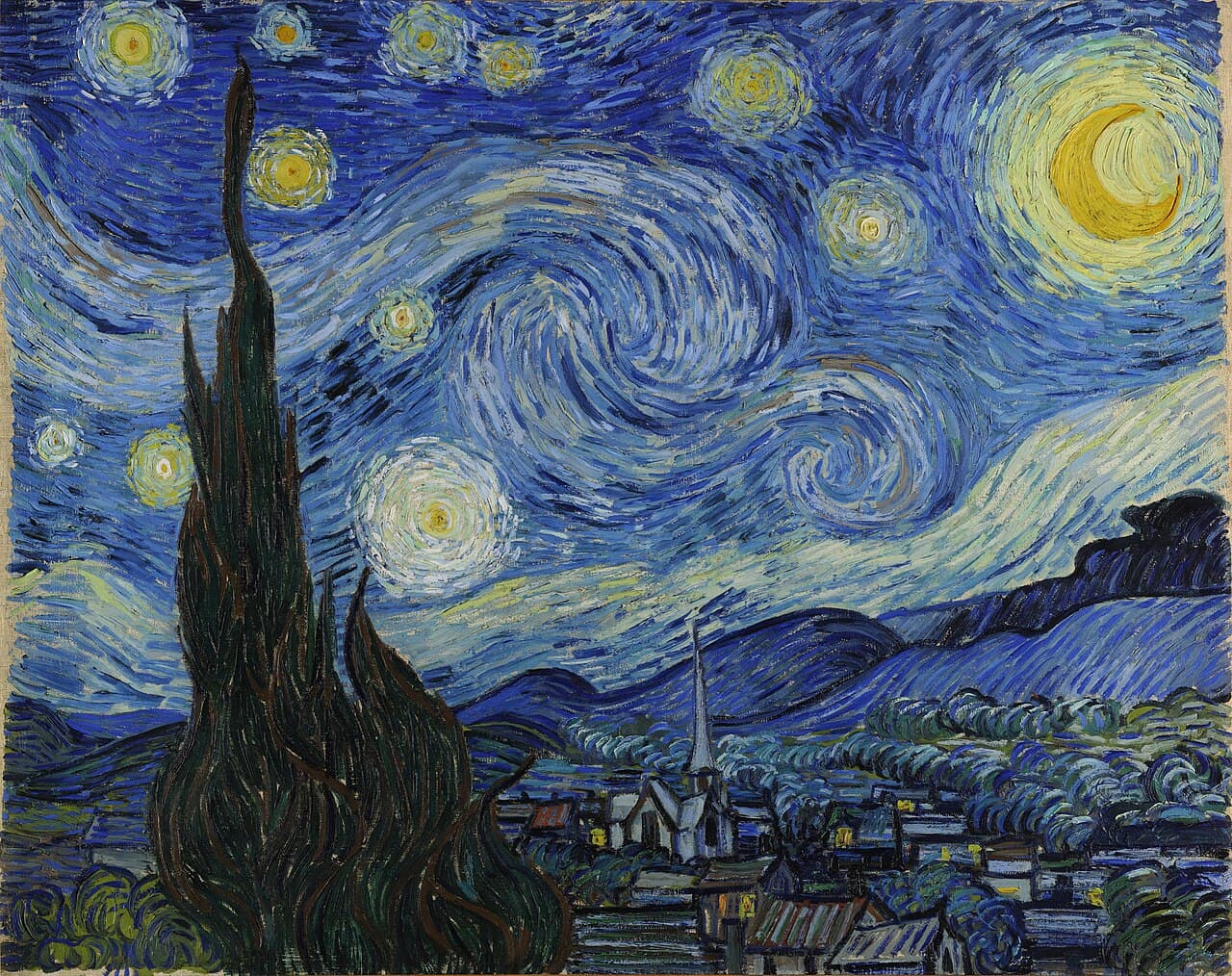
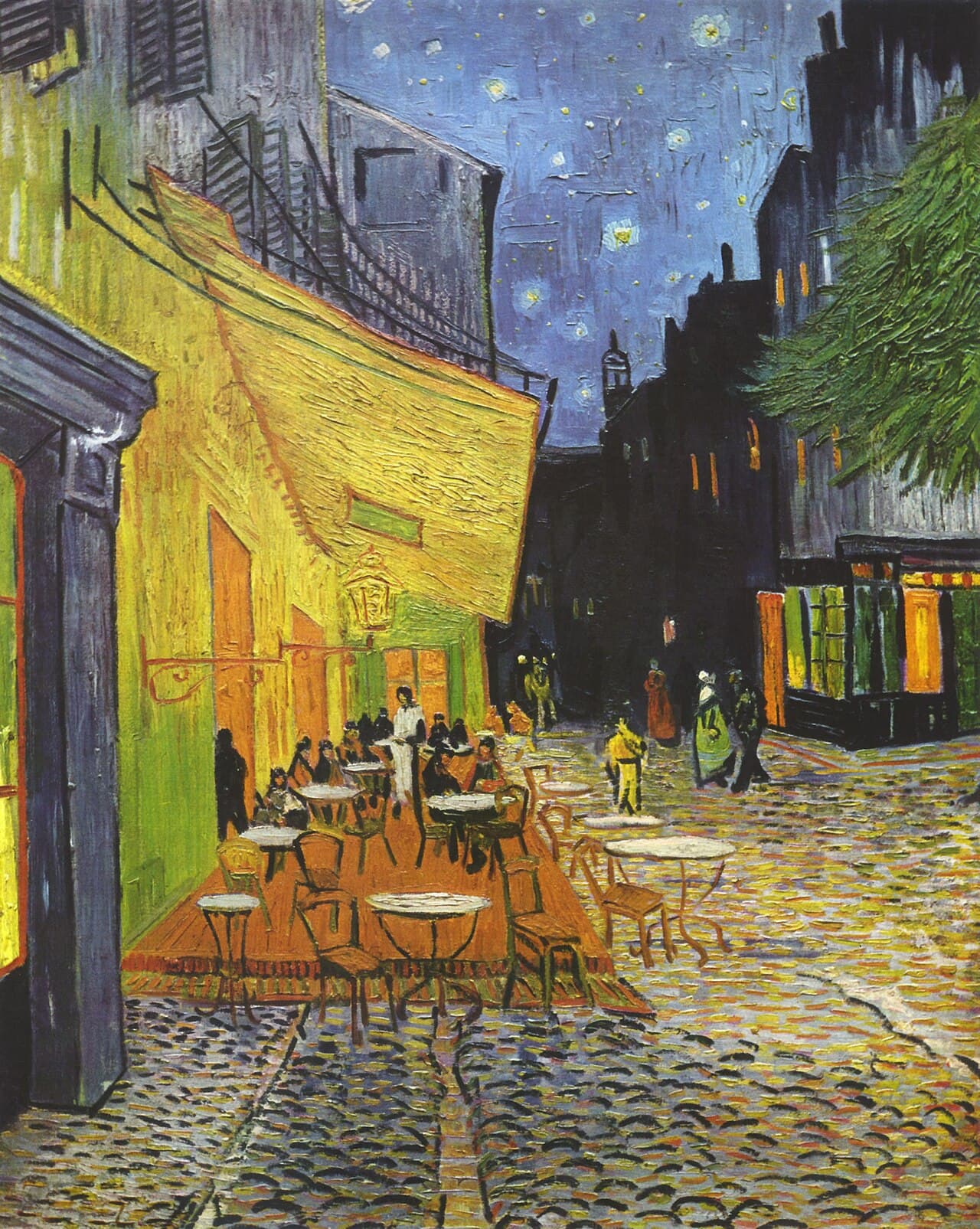
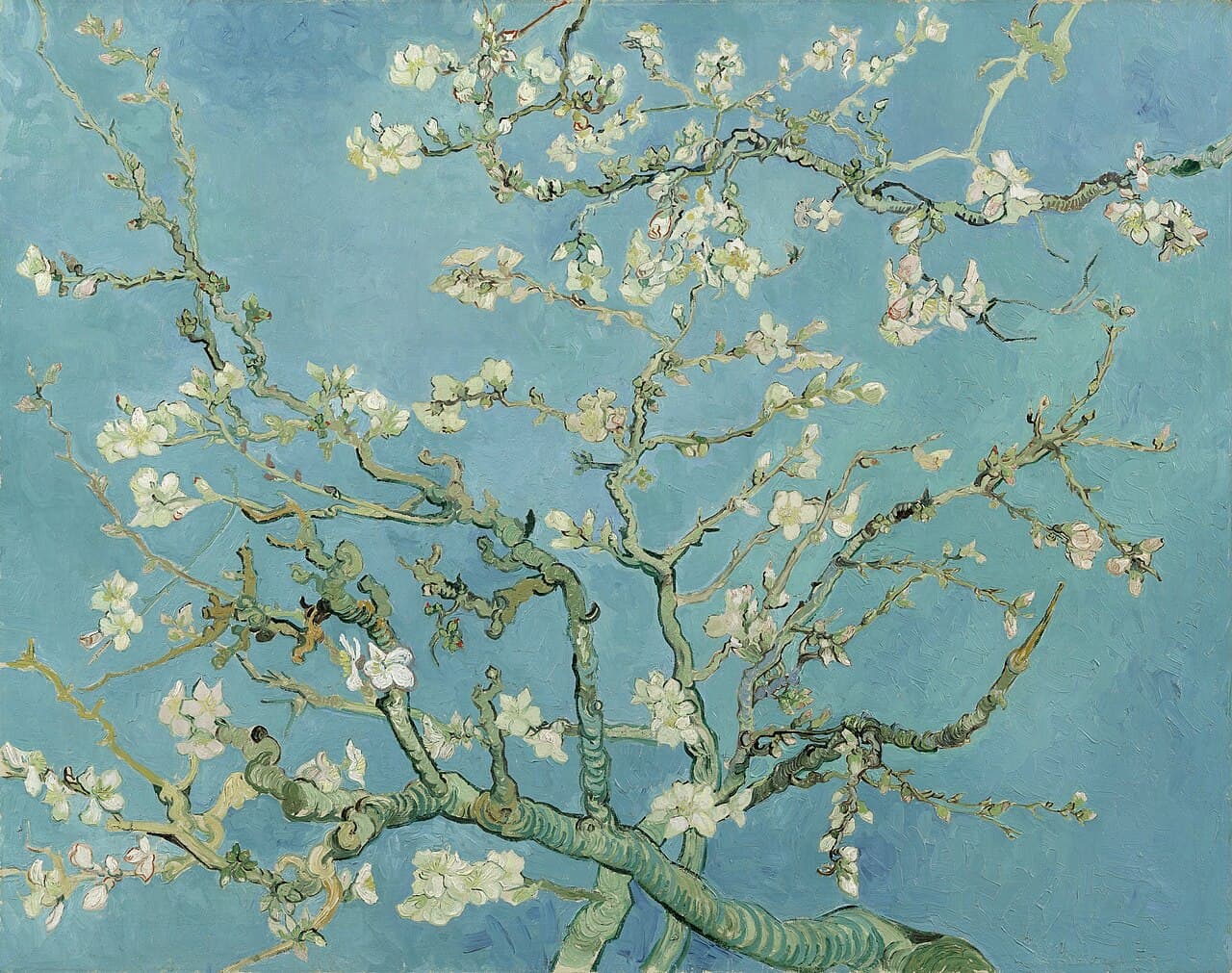
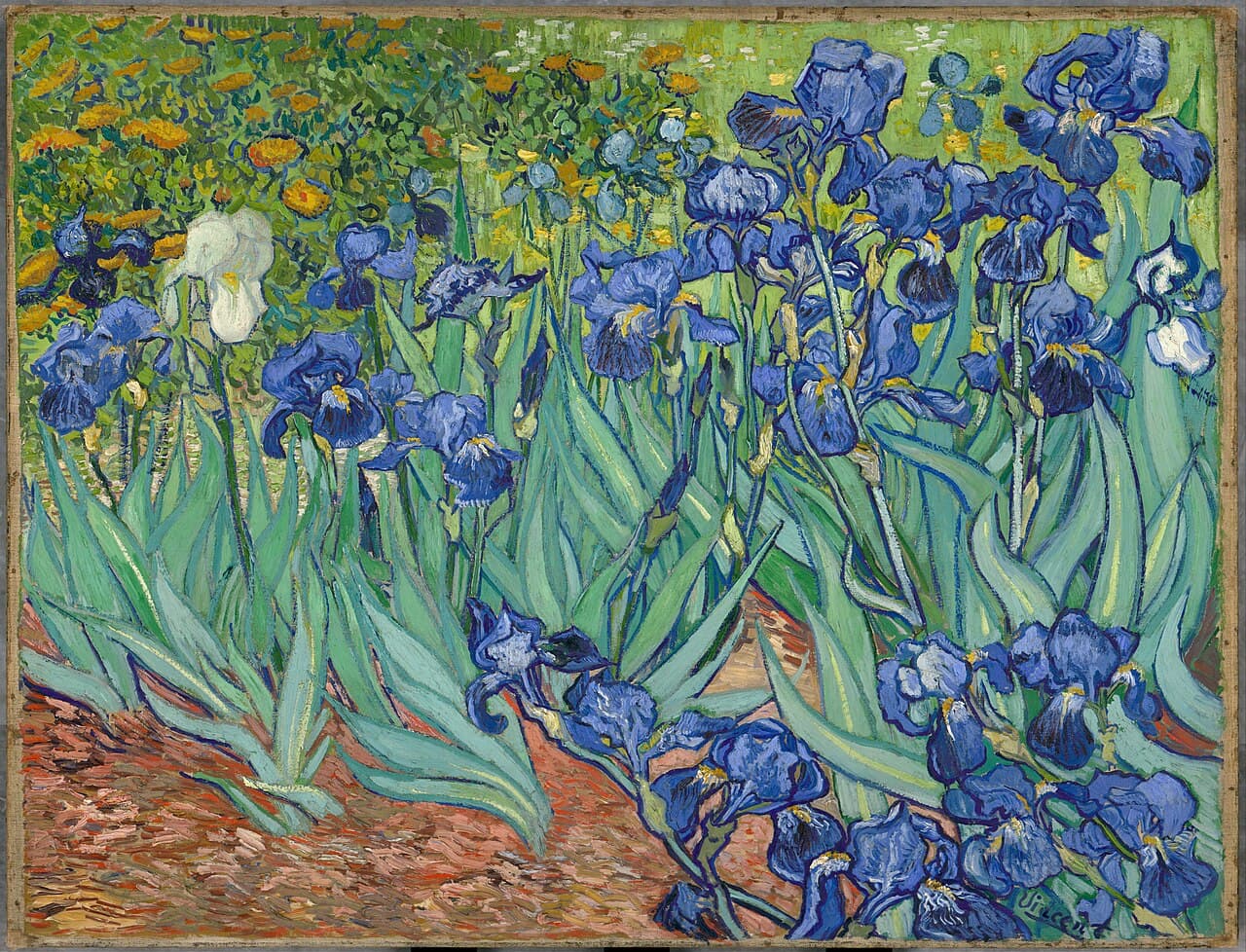
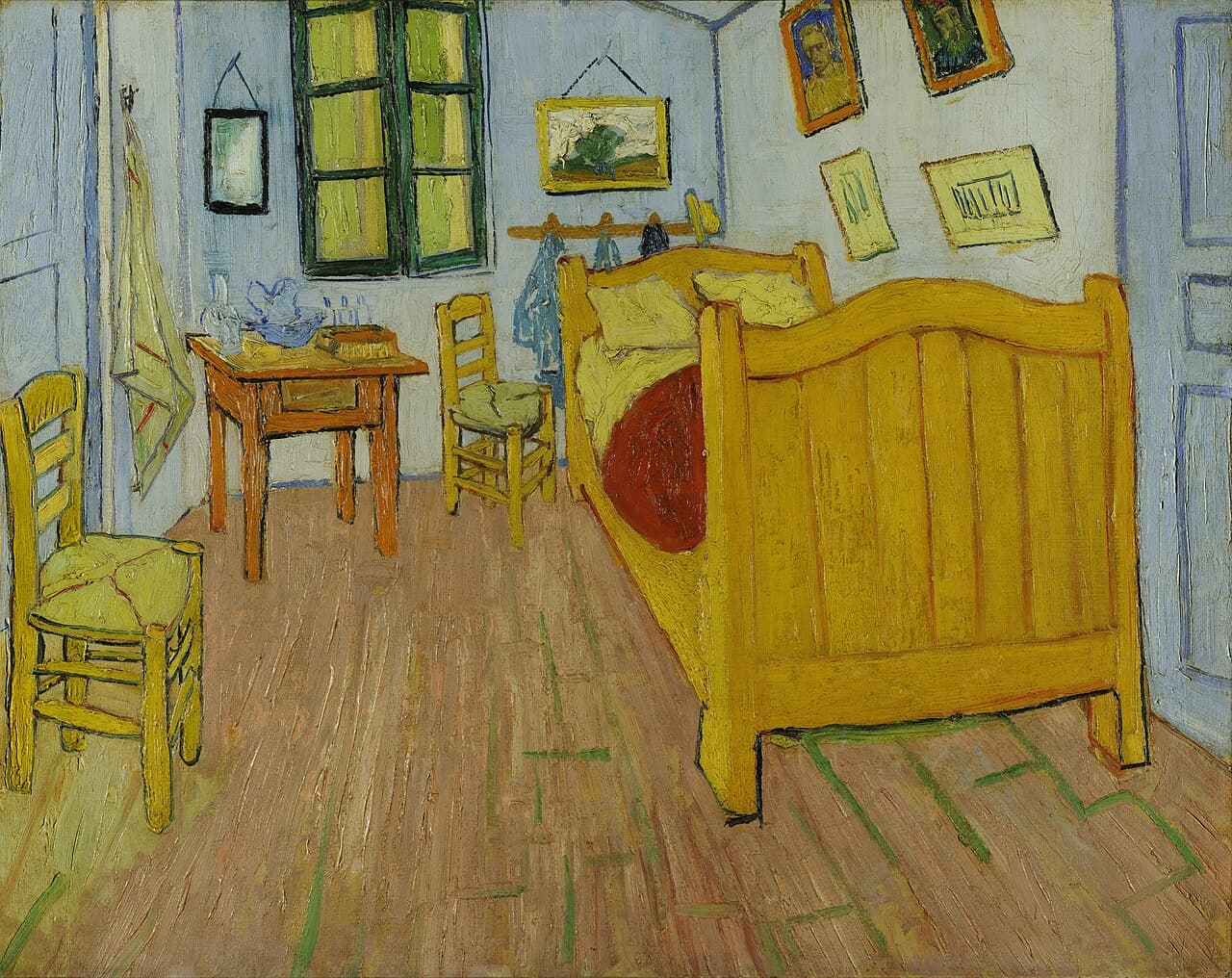
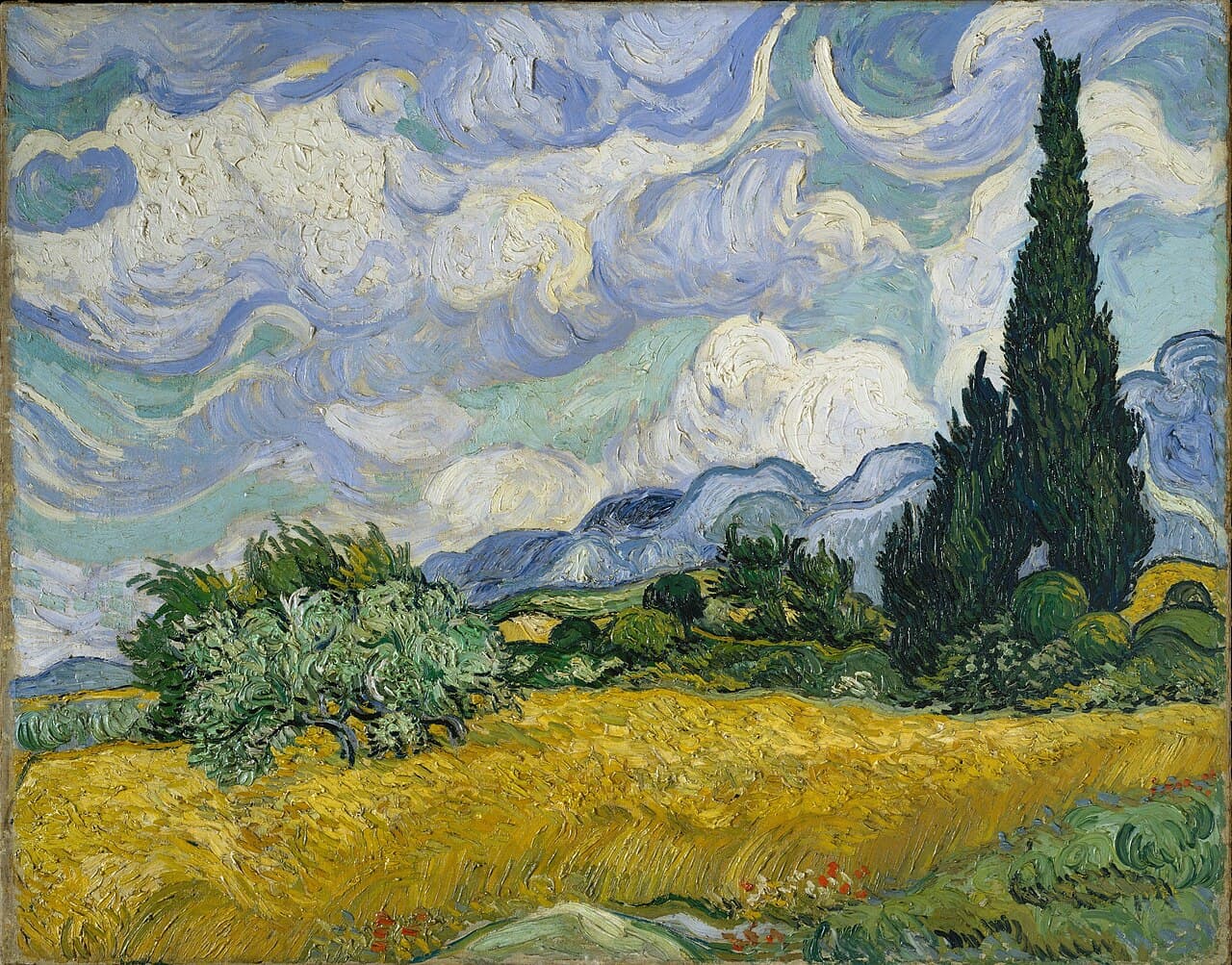
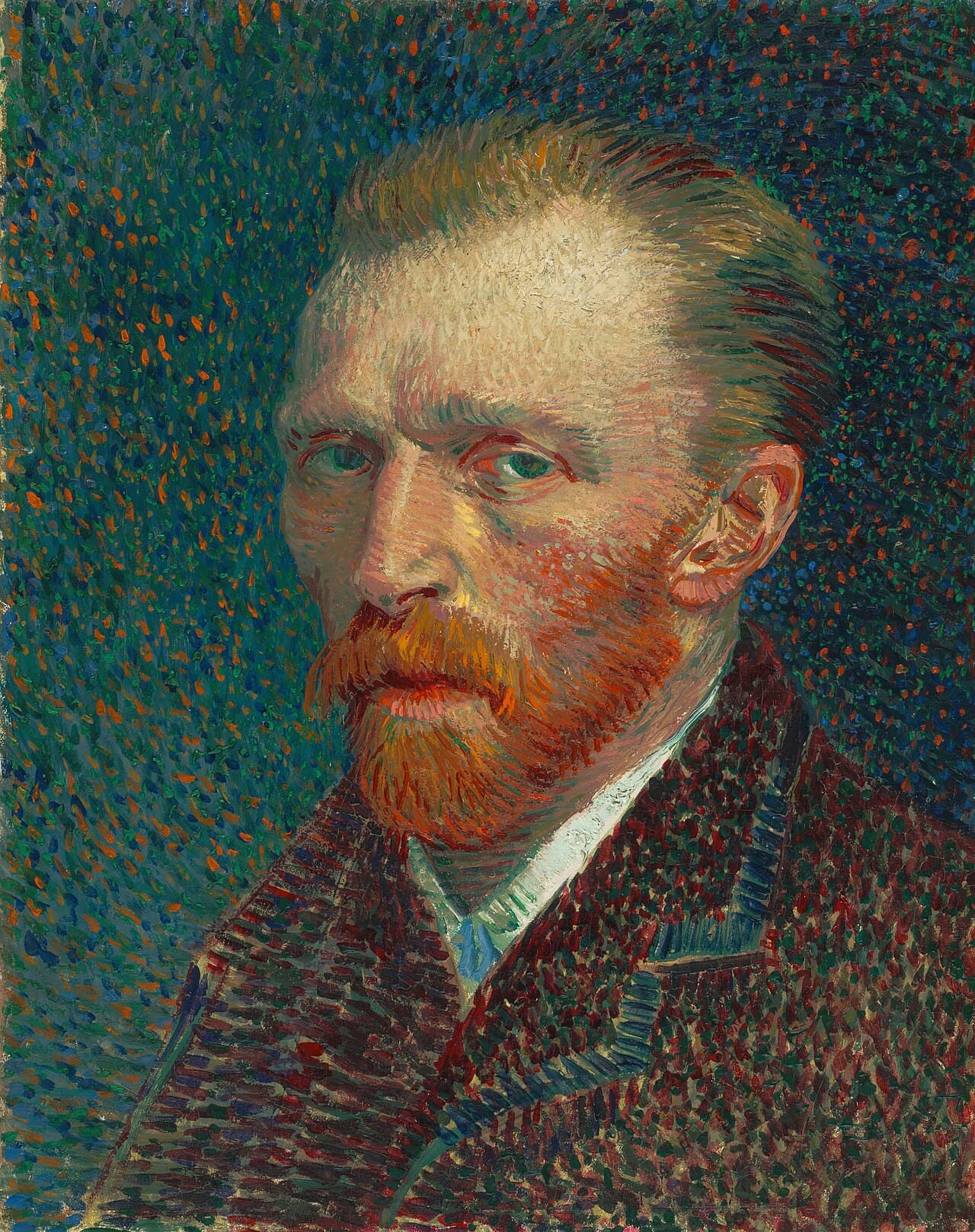
Post-Impressionism is not a shared manifesto but an umbrella term applied later. Van Gogh used colour to convey emotion; Cézanne rebuilt nature from geometric planes; Seurat constructed pictures from tiny dots with scientific rigour; Gauguin reached towards Tahiti with flat colour and symbols.
Influence on modern art
The paths these painters opened led to the great movements of the 20th century: Cézanne’s structural approach inspired Cubism, and Van Gogh’s and Gauguin’s colour inspired Fauvism and Expressionism.
Key works
Shop Post-Impressionism posters →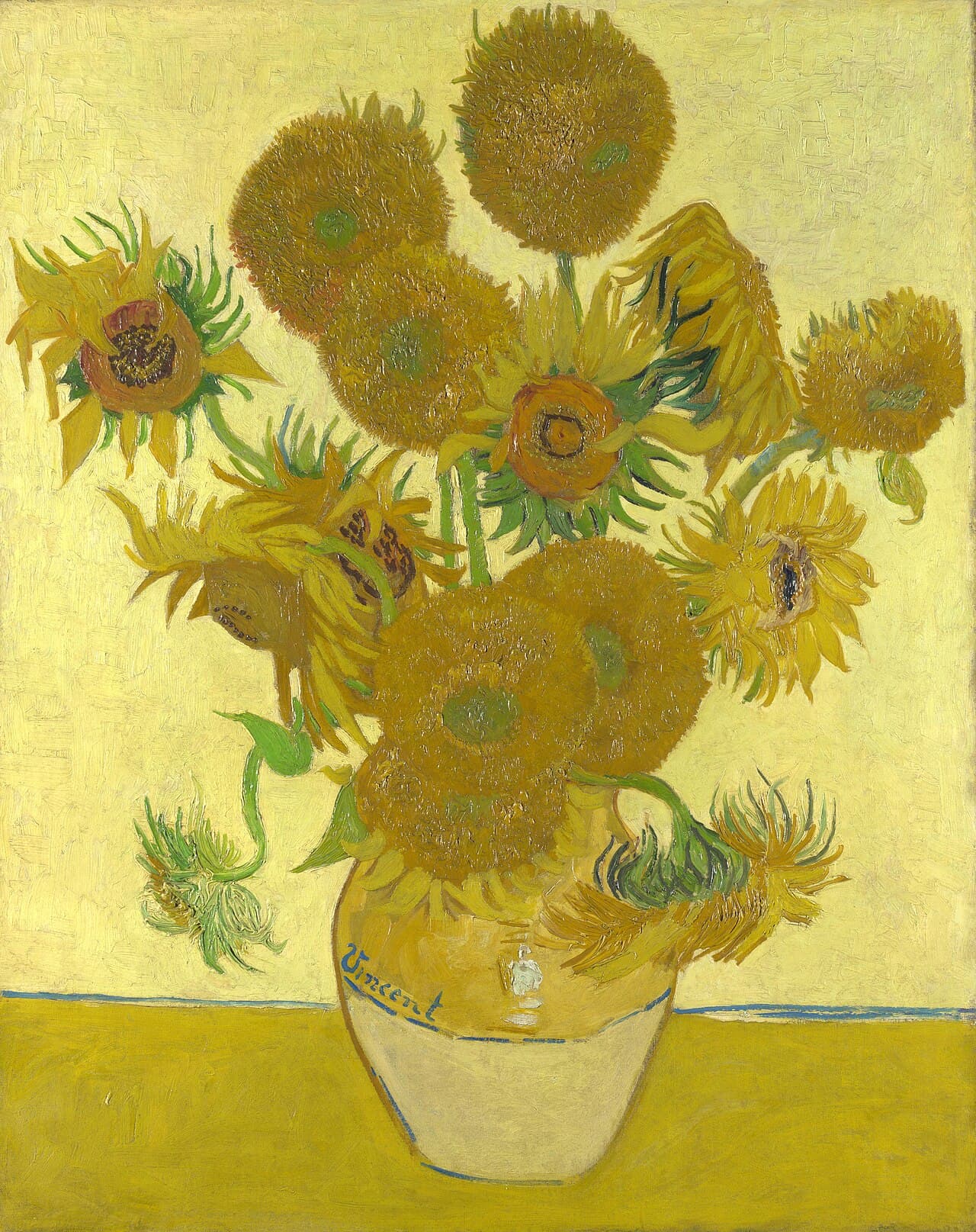
Frequently asked questions
What is the difference between Impressionism and Post-Impressionism?
The Impressionists tried to capture the fleeting effect of the light they saw; the Post-Impressionists used that language to put structure, symbol and emotion first.