Art Guide · Painters
Edgar Degas
1834–1917
Edgar Degas (1834–1917) was a French painter and sculptor known for ballet rehearsals, backstage scenes and everyday Parisian life. Though one of the organisers of the Impressionist exhibitions, he preferred to call himself a “realist” or “independent”.
Last updated: · Iconica Society editors
Life
Born into a wealthy banking family in Paris, he received a classical training at the École des Beaux-Arts. He admired Ingres and placed great value on drawing. He took part in seven of the eight Impressionist exhibitions. As his eyesight failed in later life, he turned increasingly to pastel and sculpture.
Style and key works
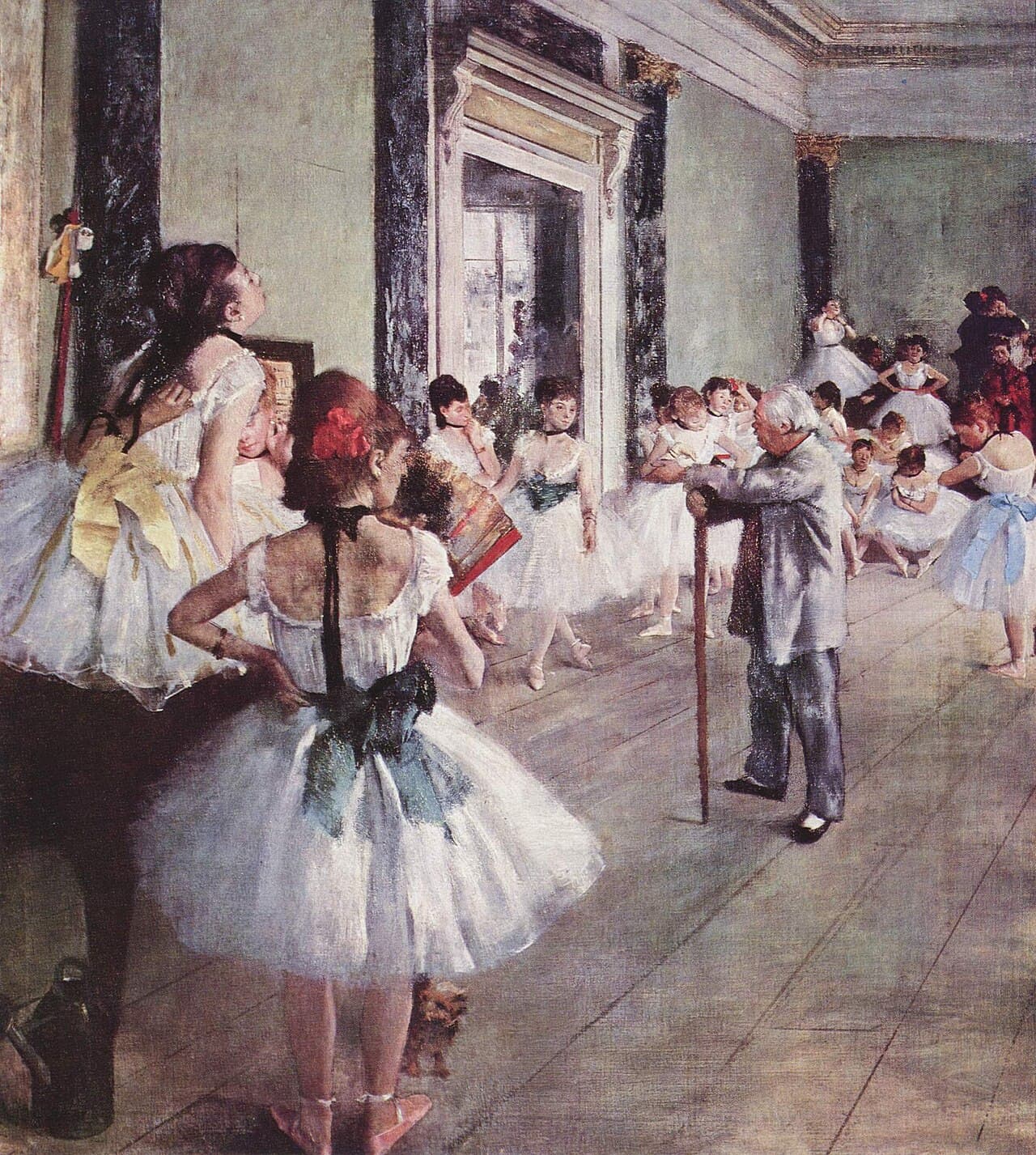
Degas used unusual framing, cropped figures and high viewpoints influenced by photography and Japanese prints. More than half of his works depict dancers. The Dance Class (1874) and Blue Dancers (c. 1897) are among the best-loved; his sculpture Little Dancer Aged Fourteen (1881) caused a stir by being shown with a real tutu and ribbon.
Key works
Shop Edgar Degas posters →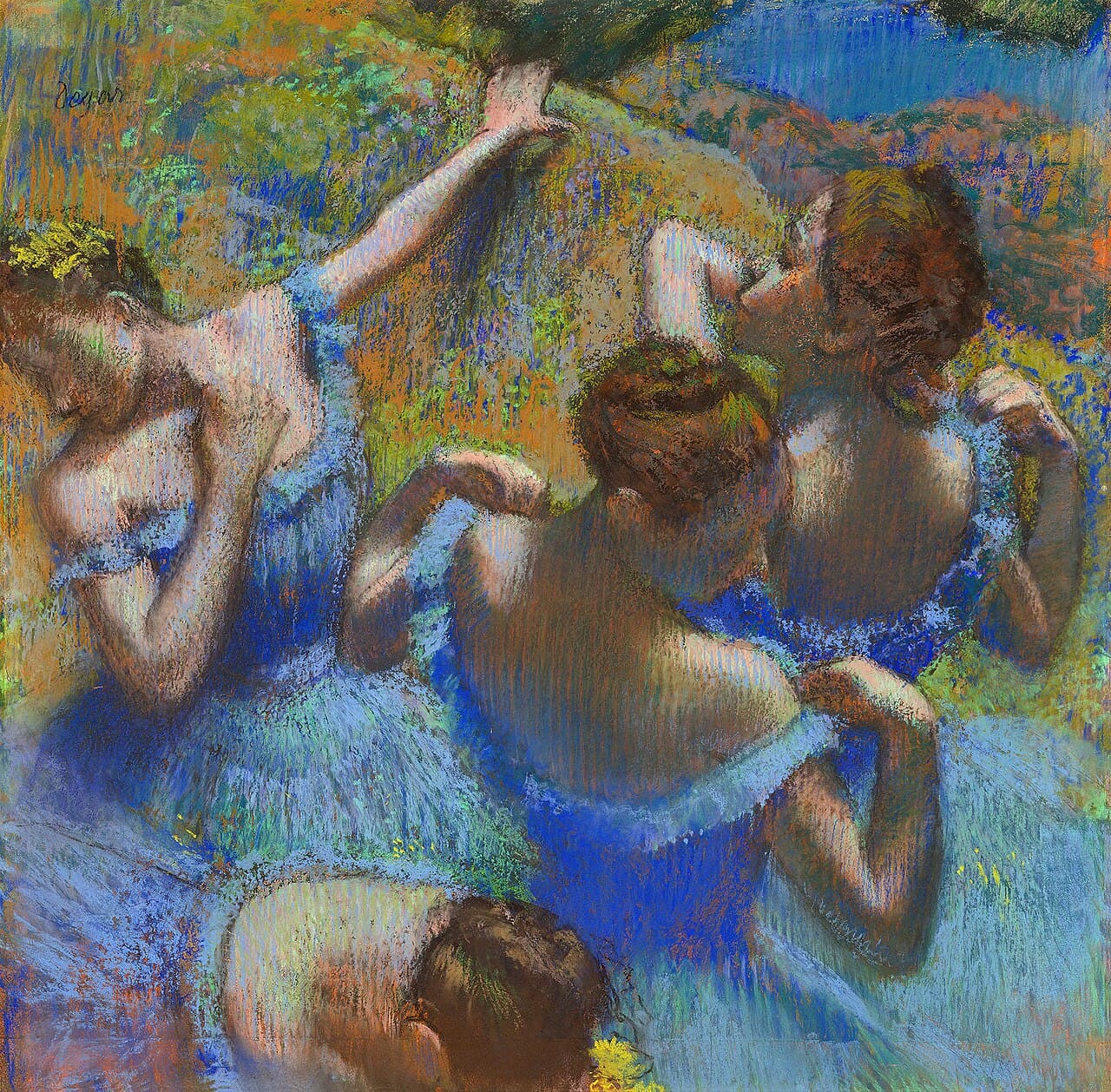
Frequently asked questions
Why did Degas paint so many ballerinas?
Rehearsal rooms and backstage gave him an endless subject for studying movement, the body and artificial light; he was a regular at the Paris Opéra.
Was Degas an Impressionist?
He helped organise the Impressionist exhibitions but disliked painting outdoors and preferred to be called a realist.