Art Guide · Painters
Gustav Klimt
1862–1918
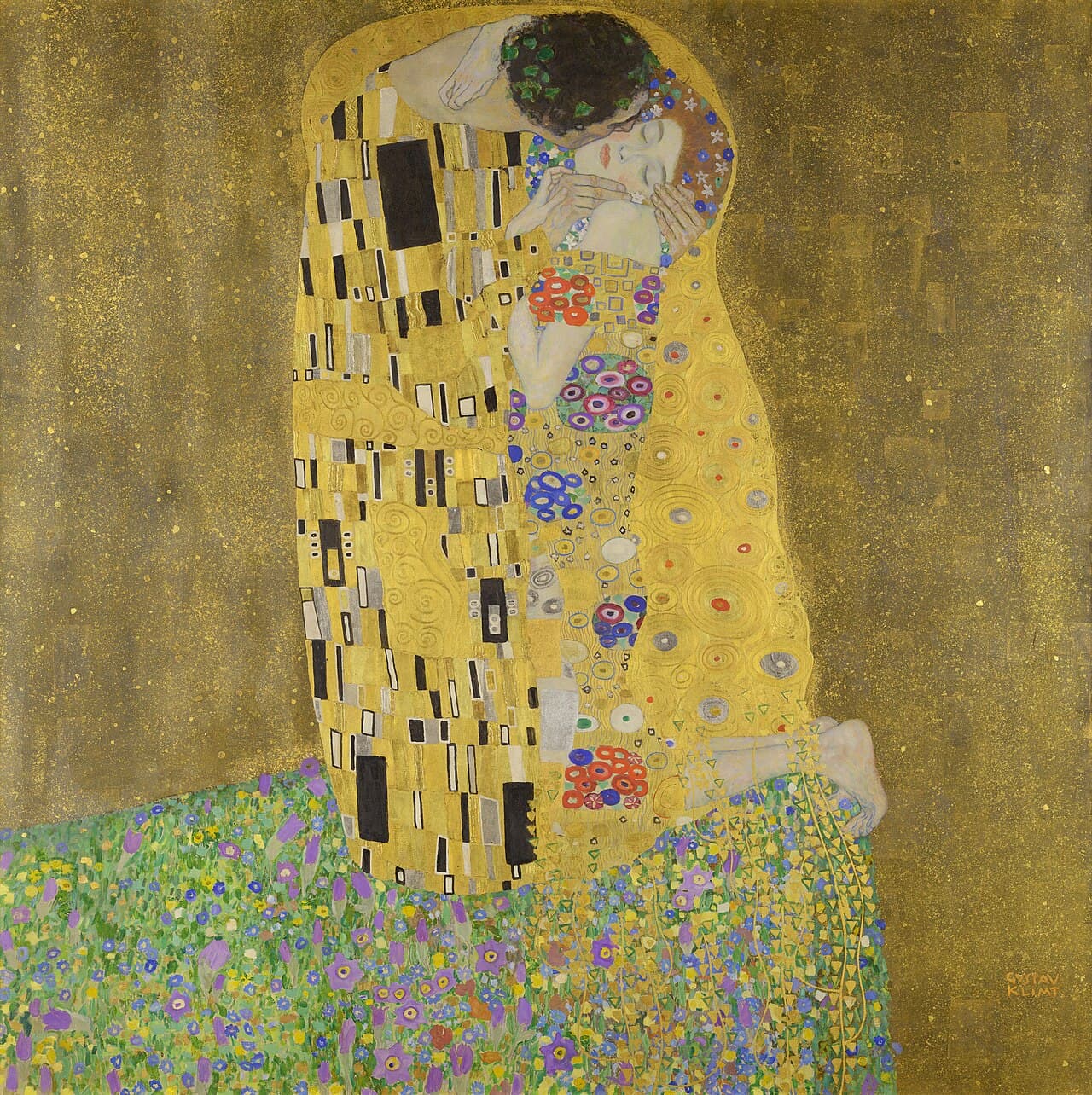
Gustav Klimt (1862–1918) was an Austrian painter and a founder of the Vienna Secession. He is known for the works of his “golden phase”, made with real gold leaf, above all The Kiss (1907–08).
Last updated: · Iconica Society editors
Life
He was born in Baumgarten, Vienna, the son of a gold engraver. He studied at the Vienna School of Arts and Crafts; with his brother Ernst and Franz Matsch he ran a studio that painted ceilings and murals for buildings such as the Burgtheater.
In 1897 he co-founded the Vienna Secession, which rebelled against academic art, and became its first president. His ceiling paintings Philosophy, Medicine and Jurisprudence for the University of Vienna caused a scandal for their frankness.
In his final years he concentrated on portraits and the landscapes he painted by Lake Attersee. He died in Vienna in 1918 of pneumonia following a stroke.
The golden phase
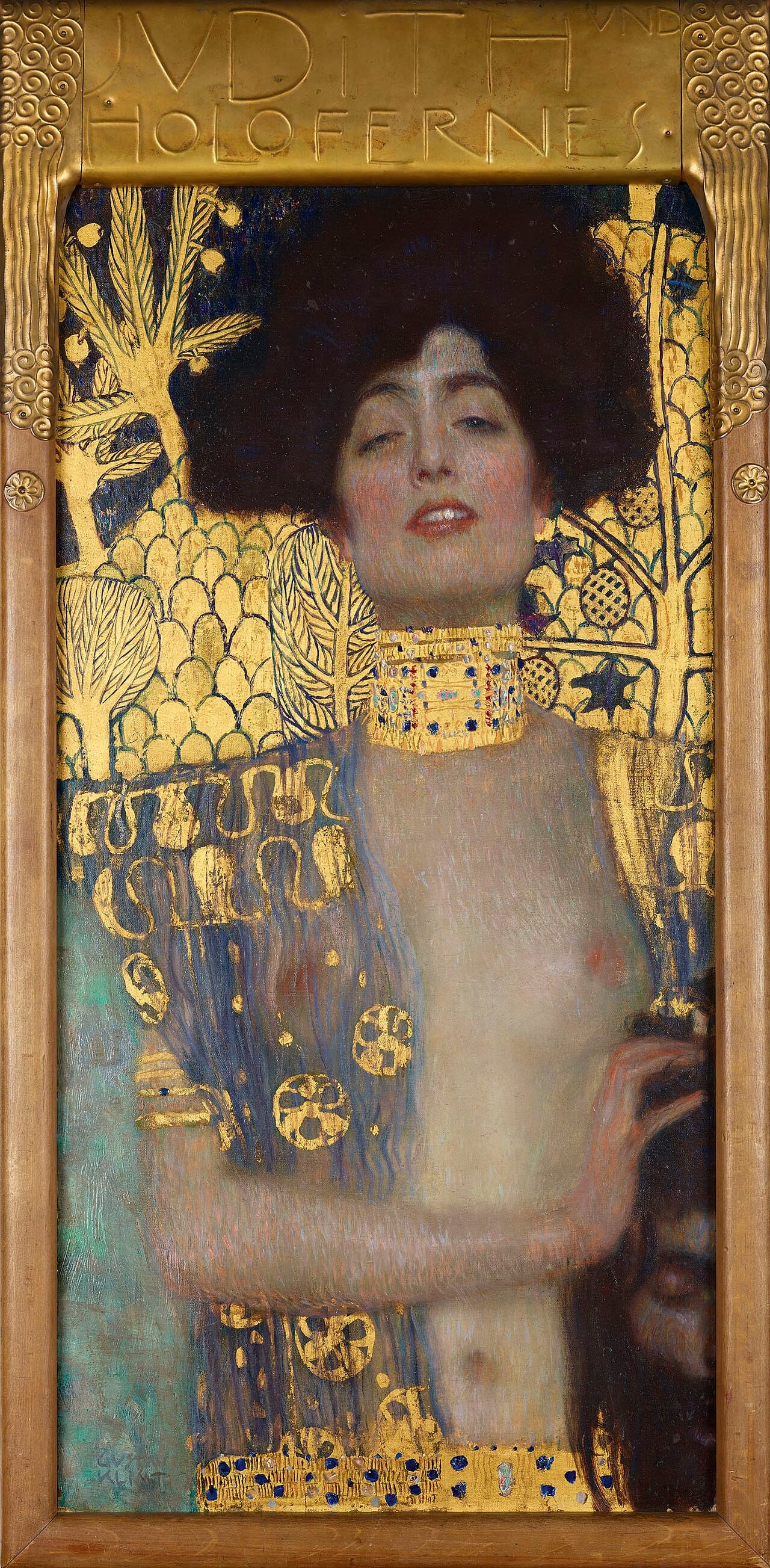
In this period, roughly 1899–1910, he surrounded his figures with gold leaf and dense patterns, deeply influenced by the Byzantine mosaics he saw in Ravenna in 1903. The Kiss and Portrait of Adele Bloch-Bauer I (1907) are its emblems; the Adele portrait sold for $135 million in 2006.
Landscapes
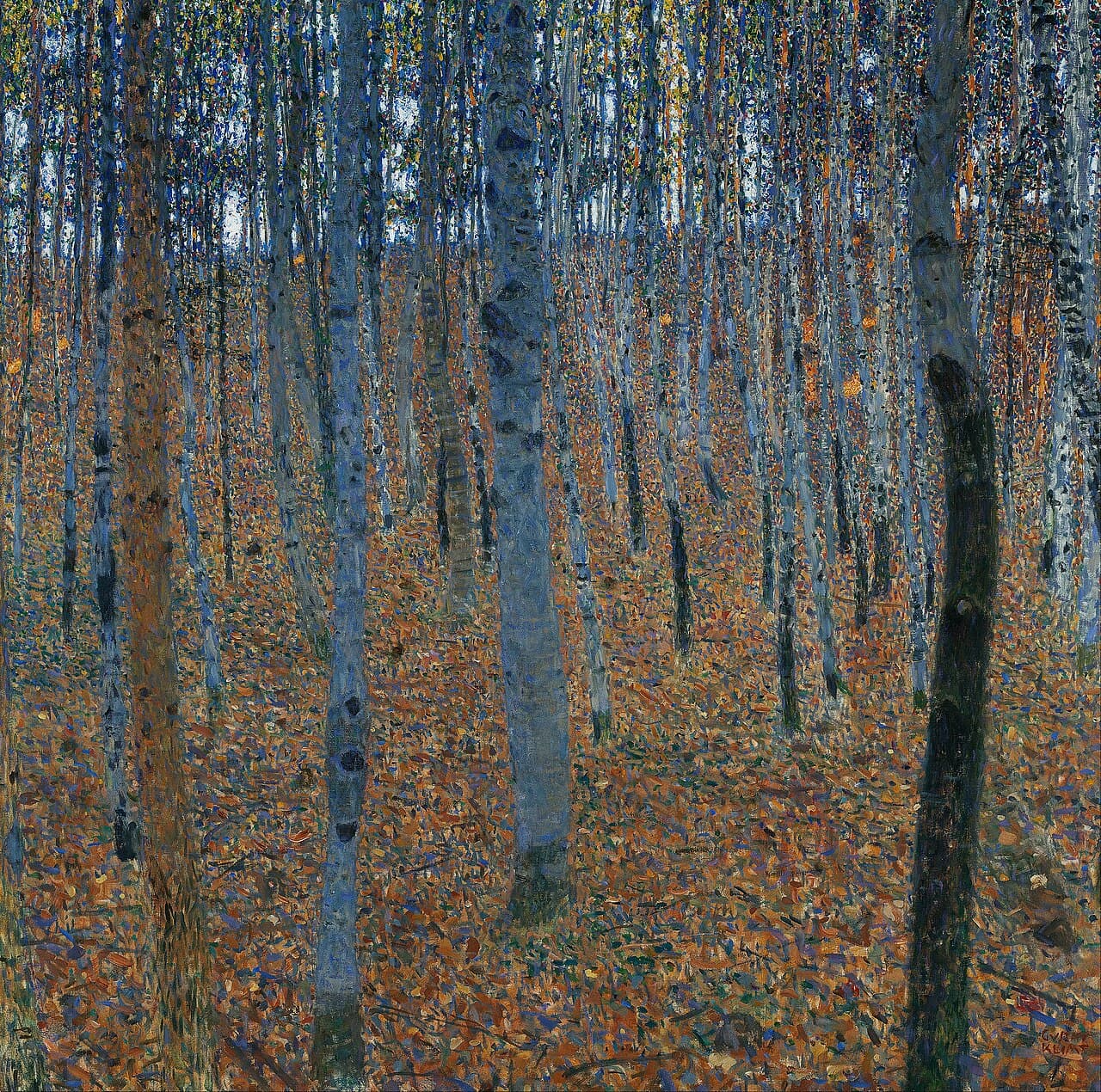
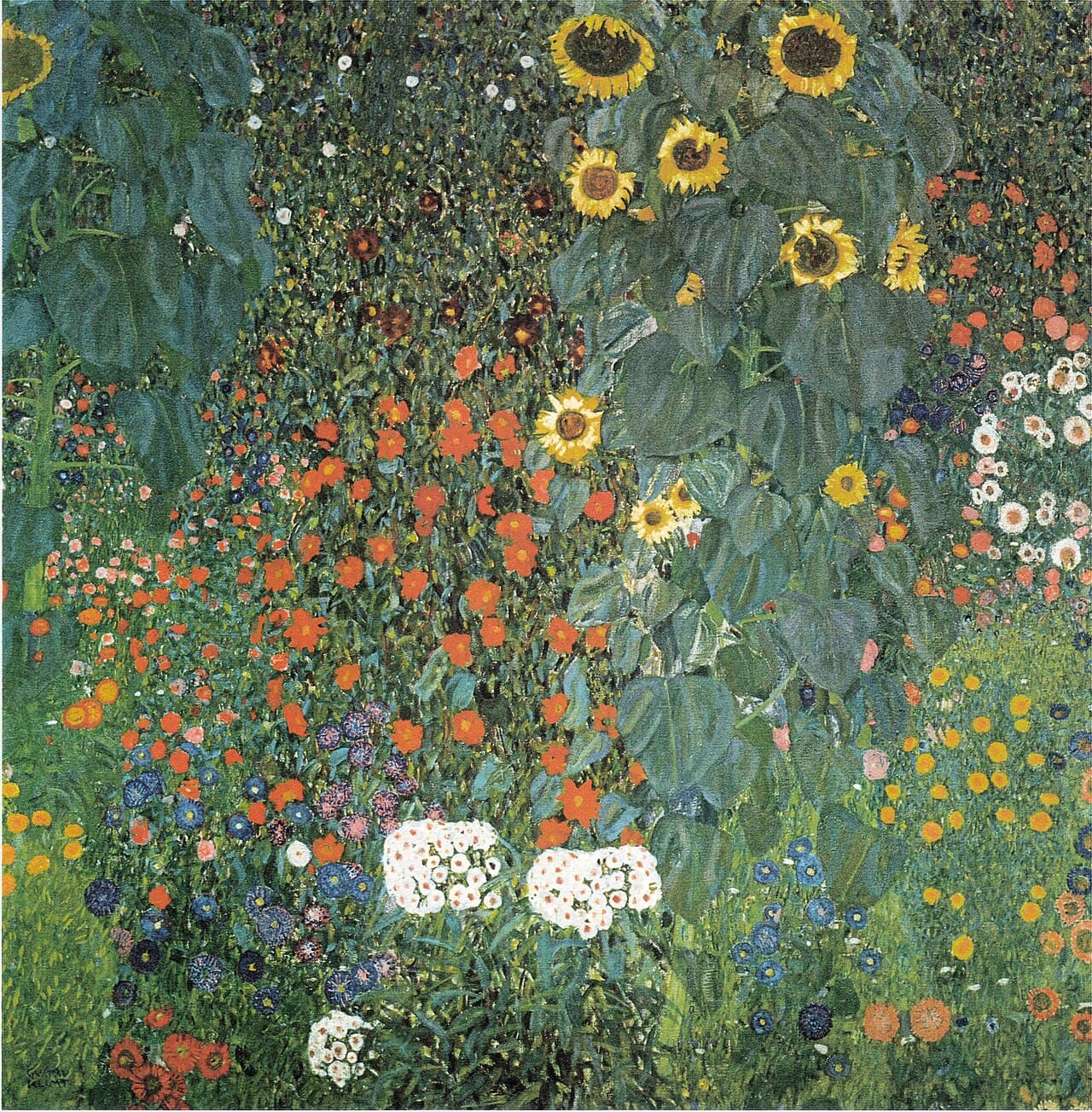
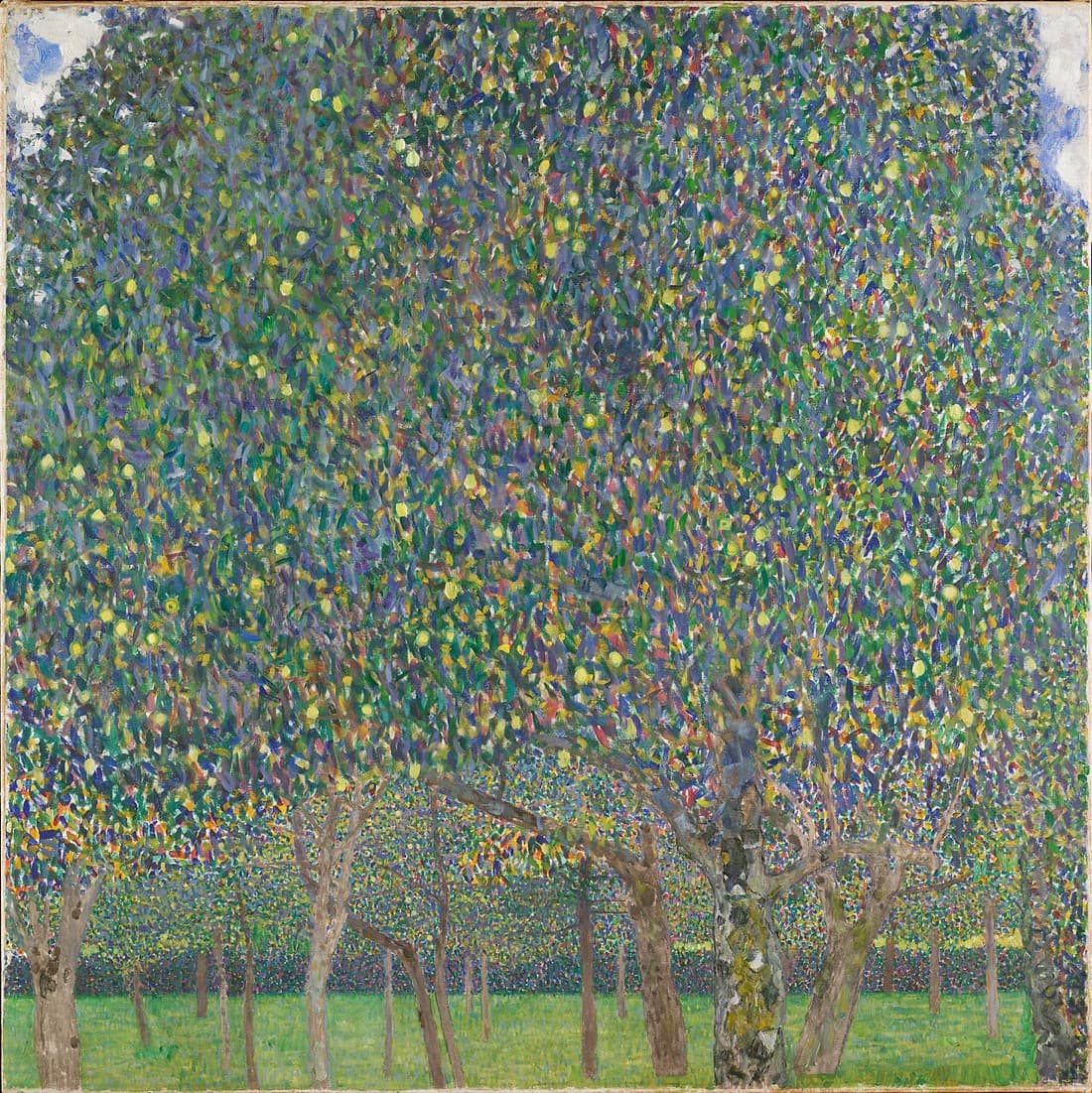
Klimt’s less familiar side is his square landscapes: in works like Beech Grove, trunks and leaves become an almost abstract pattern. These calm, decorative pictures are much loved as wall posters today.
Key works
Shop Gustav Klimt posters →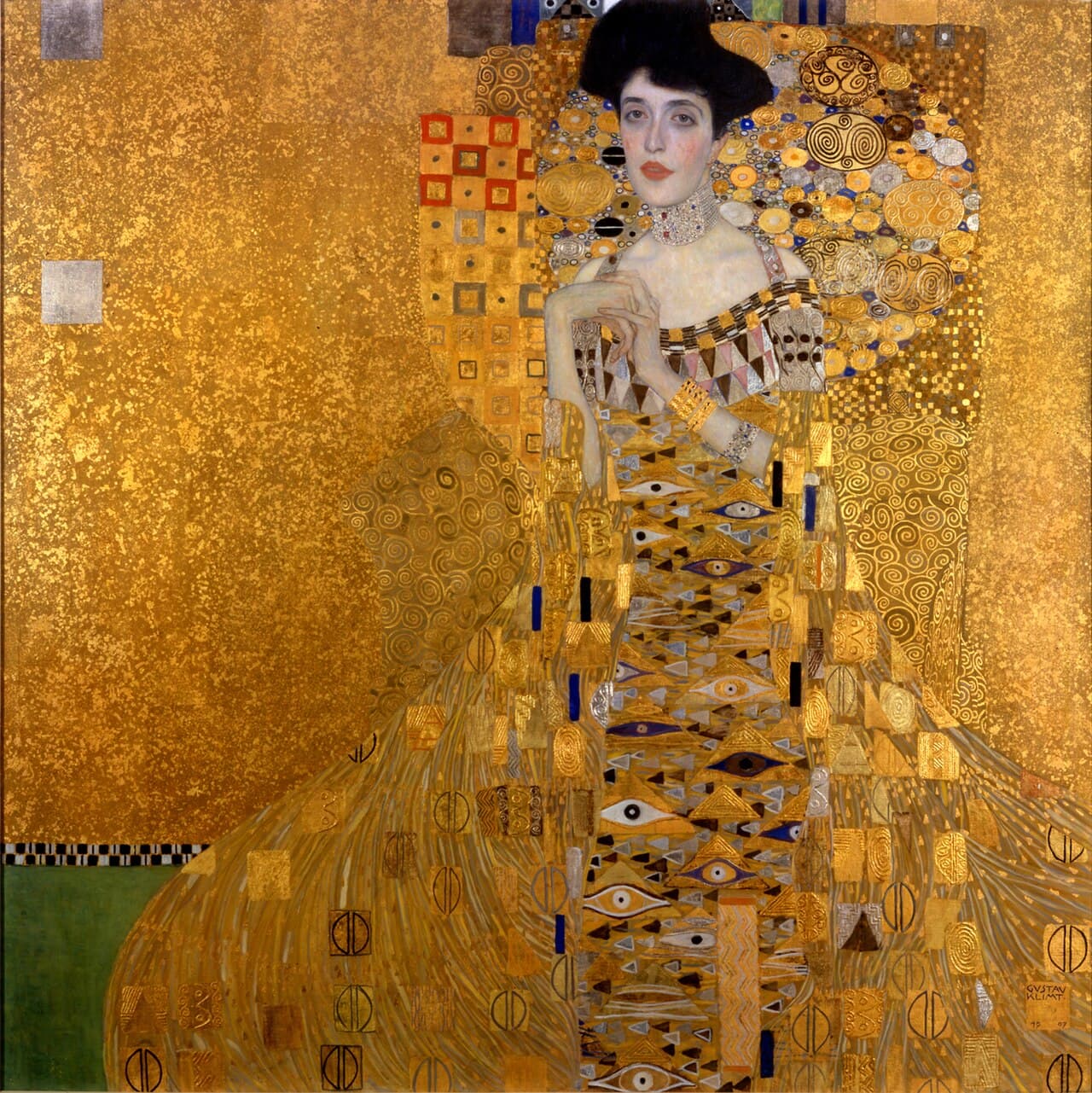
Frequently asked questions
Did Klimt use real gold in The Kiss?
Yes. He used real gold leaf alongside oil paint; the painting hangs in the Belvedere in Vienna.
What was the Vienna Secession?
An artists’ association founded in 1897 by Klimt and others who broke away from academic art; it was Austria’s branch of Art Nouveau.