Art Guide · Painters
Paul Klee
1879–1940
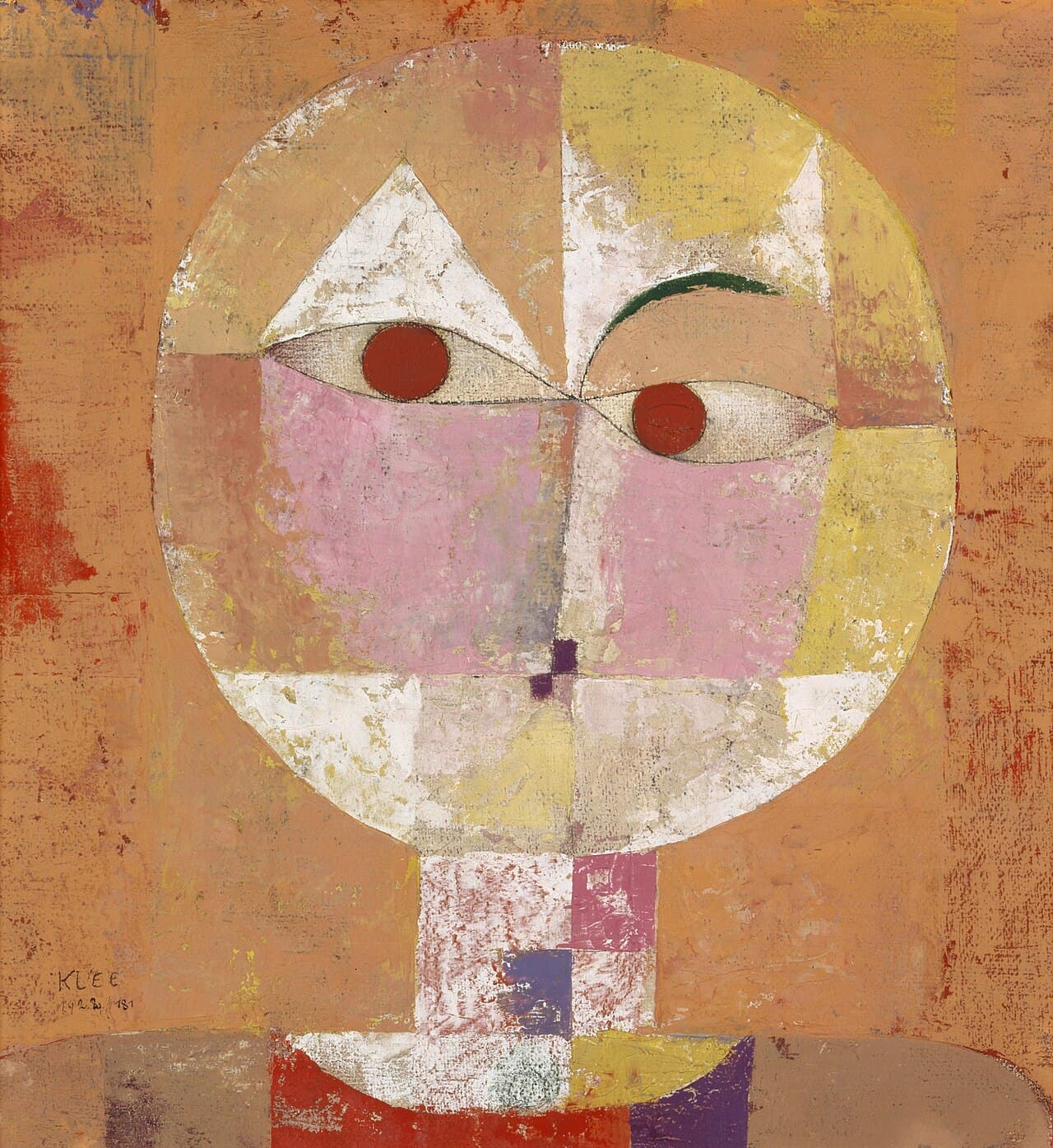
Paul Klee (1879–1940) was a Swiss-born German painter who brought together line, colour and humour. He taught at the Bauhaus and is known for colourful geometric compositions such as Castle and Sun and playful portraits such as Senecio.
Last updated: · Iconica Society editors
Life
Born near Bern into a family of musicians, he was an accomplished violinist, and music remained central to his art. He trained in Munich and joined the Blue Rider circle. On a trip to Tunisia in 1914 he had a revelation about colour, writing in his diary: “Colour and I are one. I am a painter.”
He taught at the Bauhaus from 1921 to 1931. When the Nazis branded his work “degenerate art”, he returned to Switzerland in 1933. Despite the illness scleroderma he was extremely productive in his last years; he made more than 9,000 works in his lifetime.
Style and key works
Klee’s language combines children’s drawings, musical rhythm and geometry; his line “Art does not reproduce the visible, but makes visible” sums up his approach. Senecio (1922) and Castle and Sun (1928) are the best-loved examples of his poetic world built from coloured squares and simple shapes.
Key works
Shop Paul Klee posters →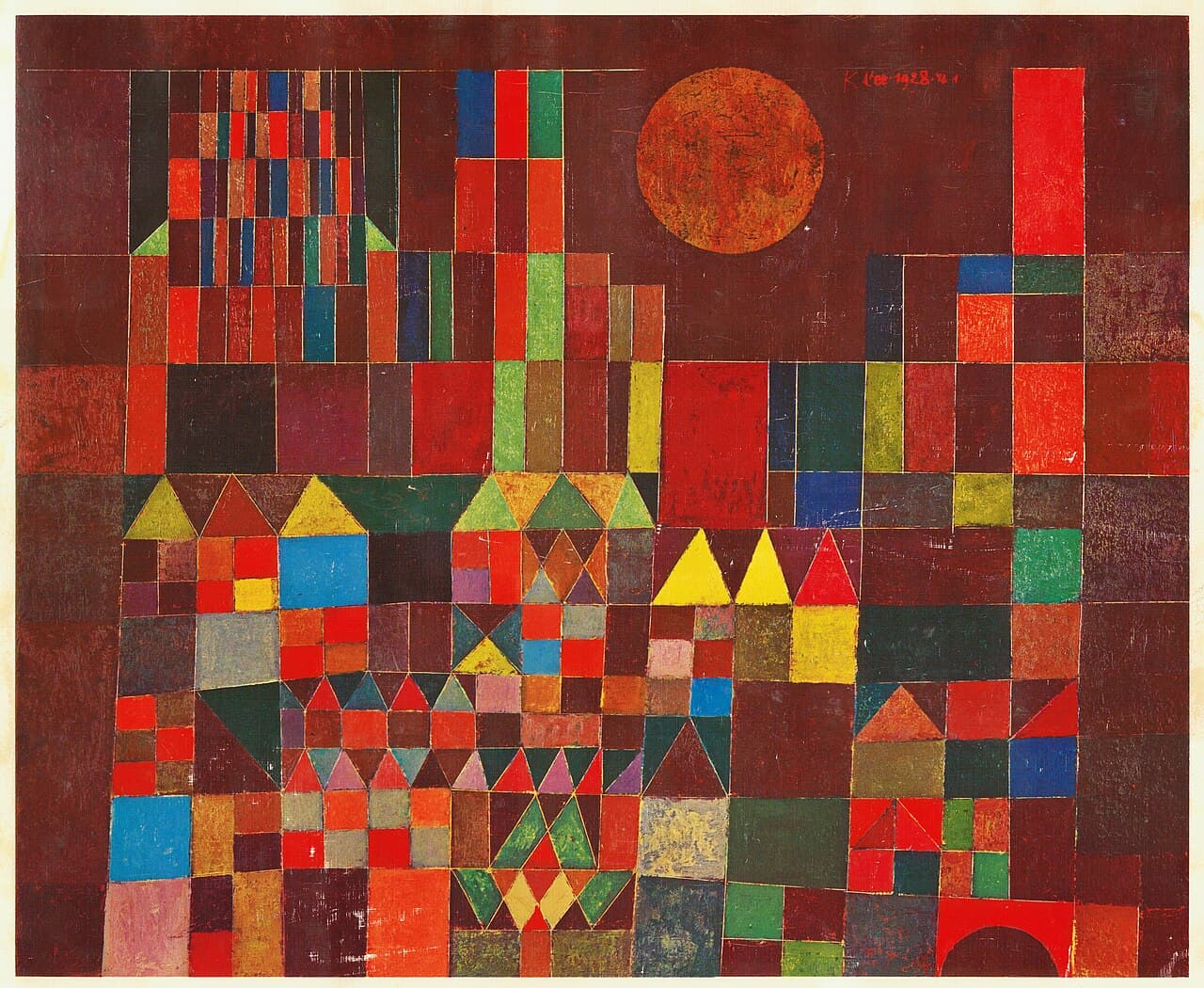
Frequently asked questions
Which movement does Paul Klee belong to?
He doesn’t fit a single movement; he drew on Expressionism, Cubism and Surrealism and is counted among the pioneers of abstract art.
What did Klee teach at the Bauhaus?
He taught form and colour theory; his teaching notes later became a key text in art education.