Art Guide · Art movements
Expressionism
Late 19th – early 20th century
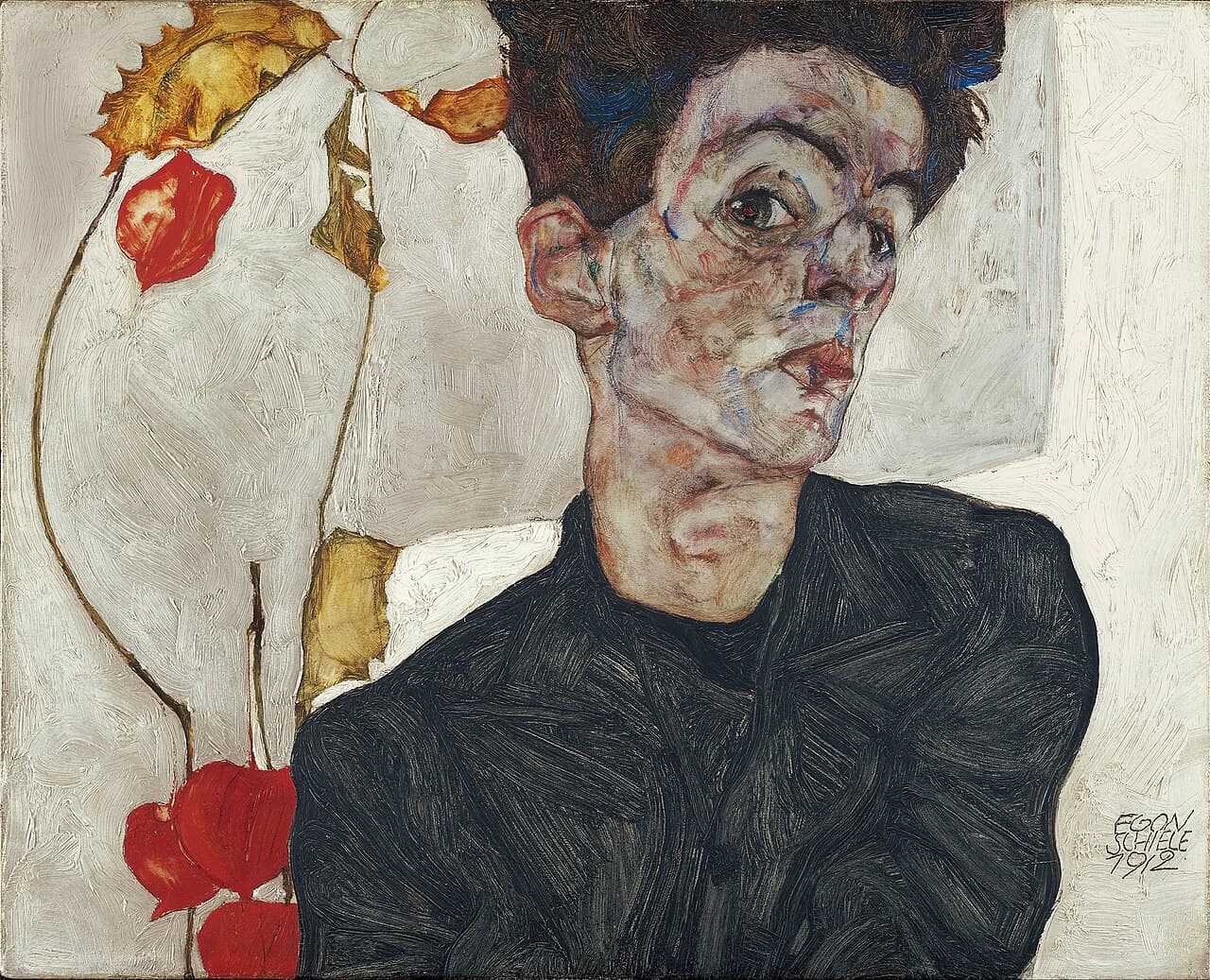
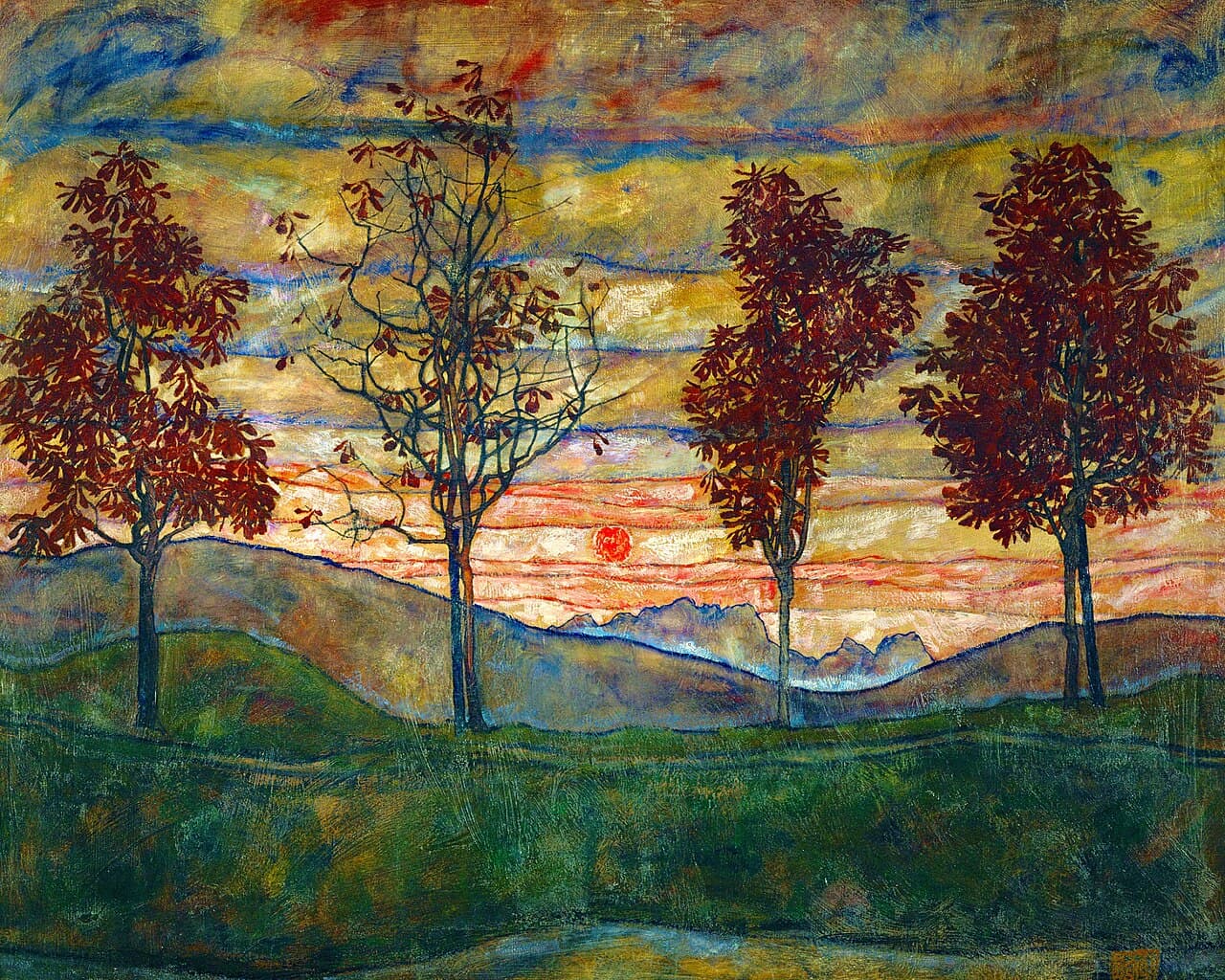
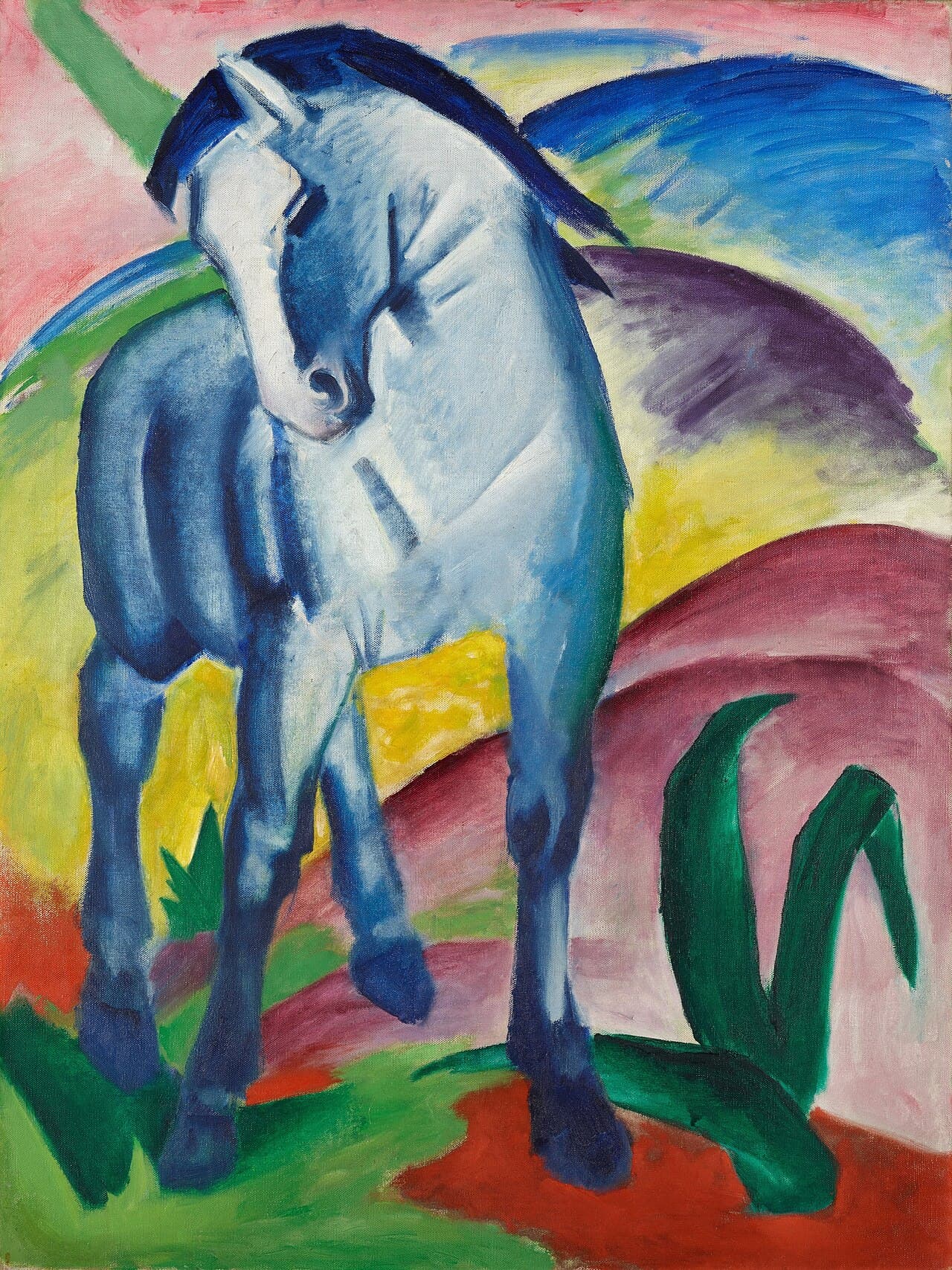
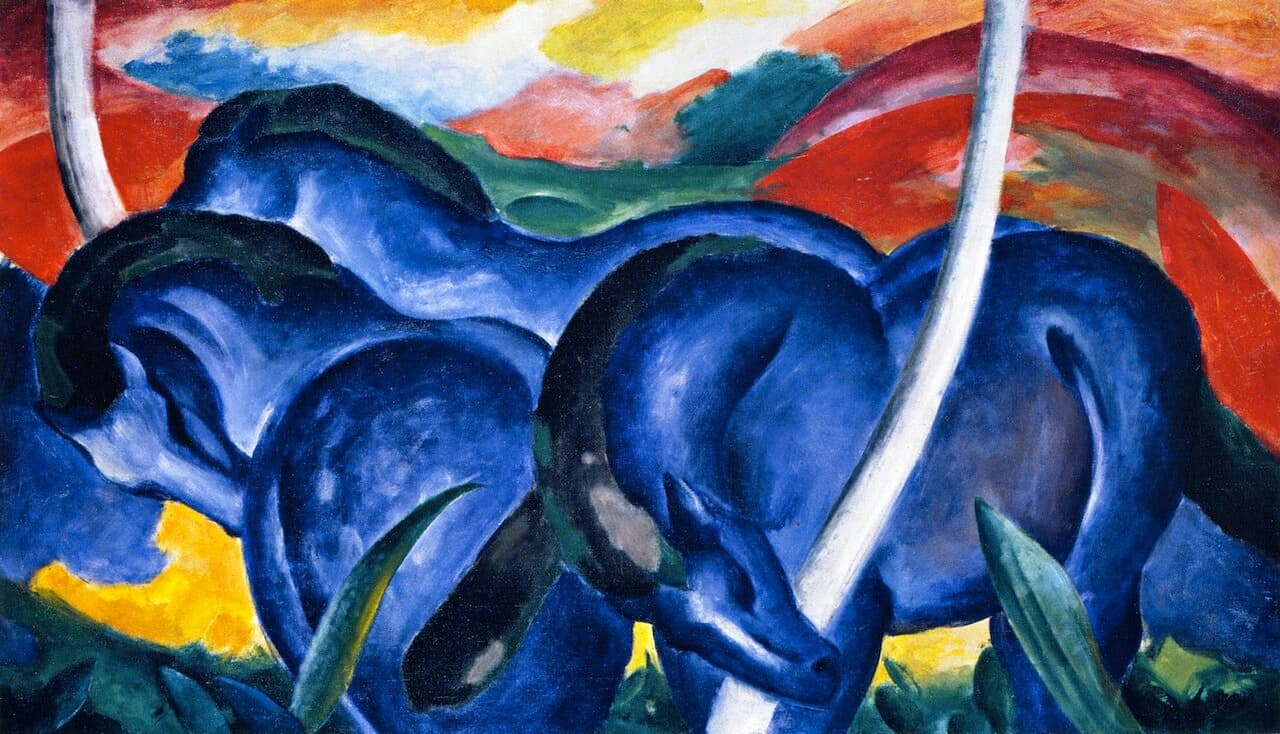
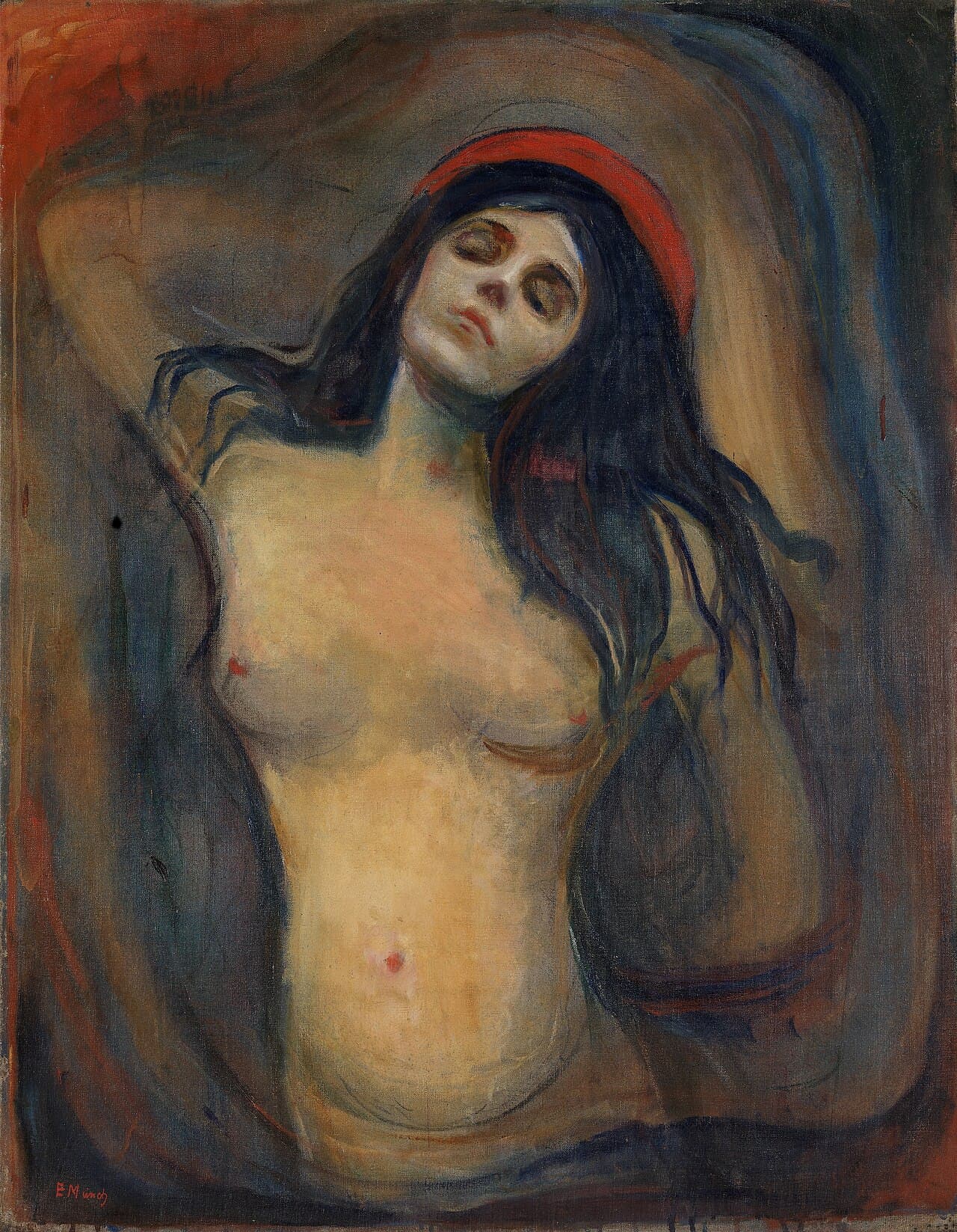
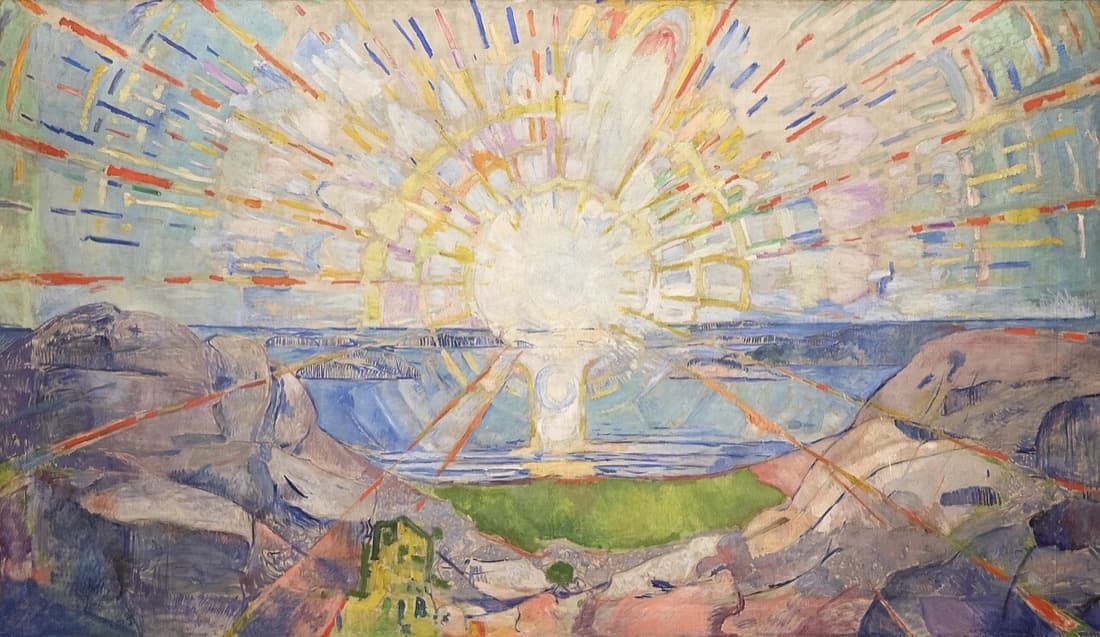
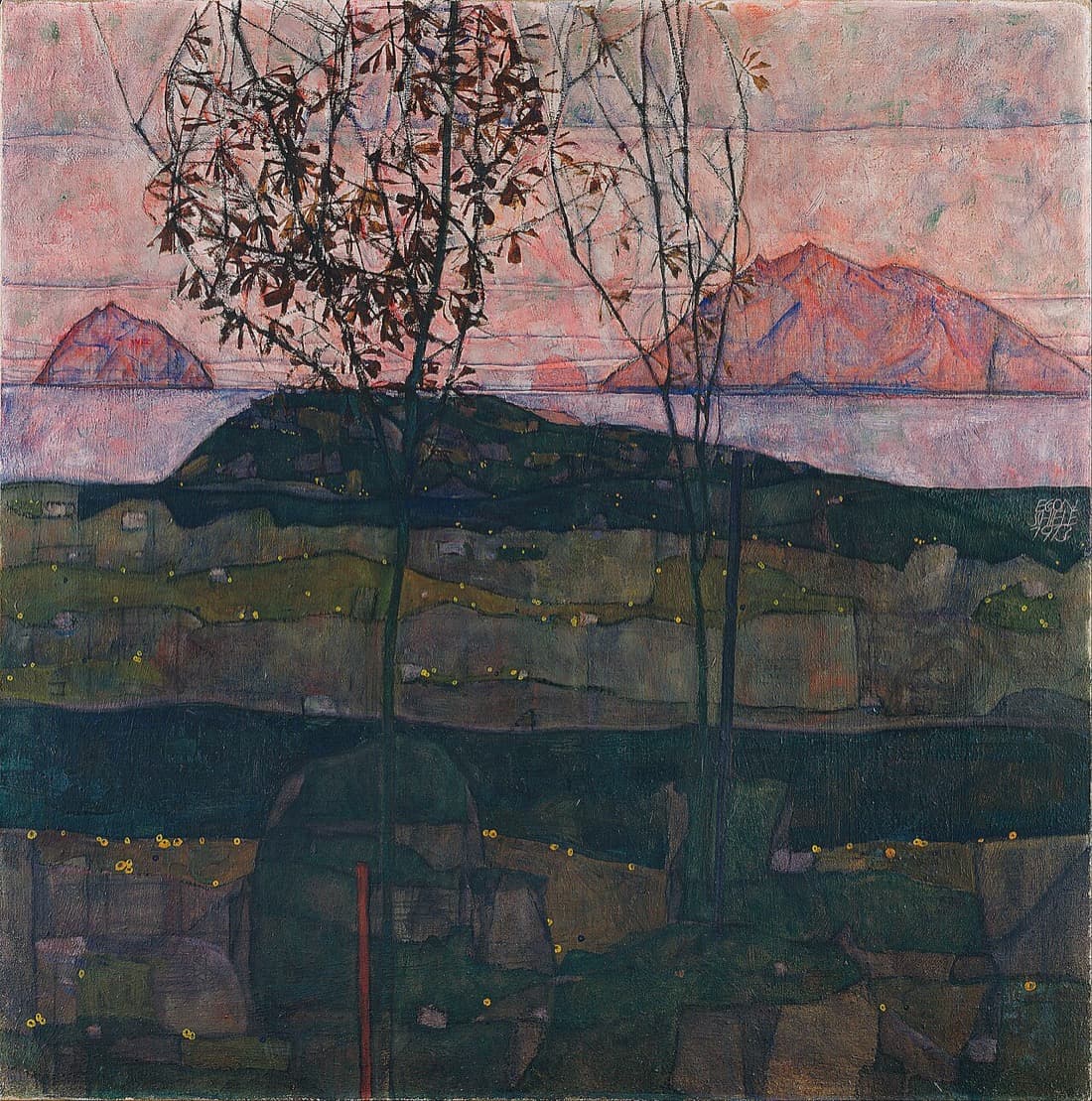
Expressionism was the movement, strongest in early 20th-century Germany and Austria, that conveyed inner feeling rather than outward appearance through bold colour and distorted form. Munch was its forerunner; Schiele and Franz Marc are among its key figures.
Last updated: · Iconica Society editors
Characteristics and groups
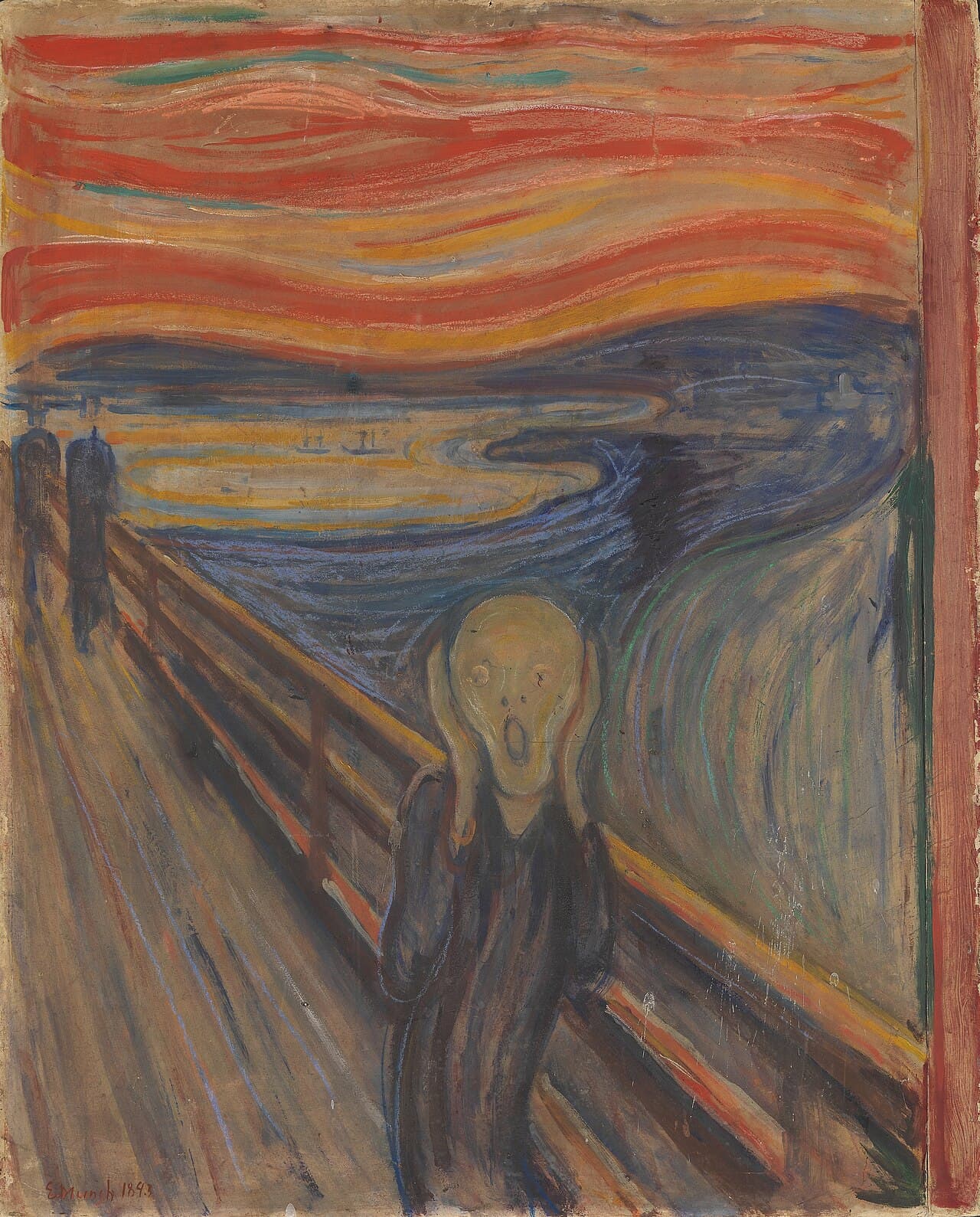
The Expressionists conveyed anxiety, loneliness and the tension of modern city life with unreal colours, harsh lines and exaggerated forms. The Bridge (Die Brücke) was founded in Dresden in 1905, and Kandinsky and Franz Marc’s Blue Rider (Der Blaue Reiter) in Munich in 1911. In Vienna, Schiele and Kokoschka brought the same approach to portraits and the figure.
In 1937 the Nazis branded most Expressionist works “degenerate art” and removed them from museums.