Art Guide · Painters
Edvard Munch
1863–1944
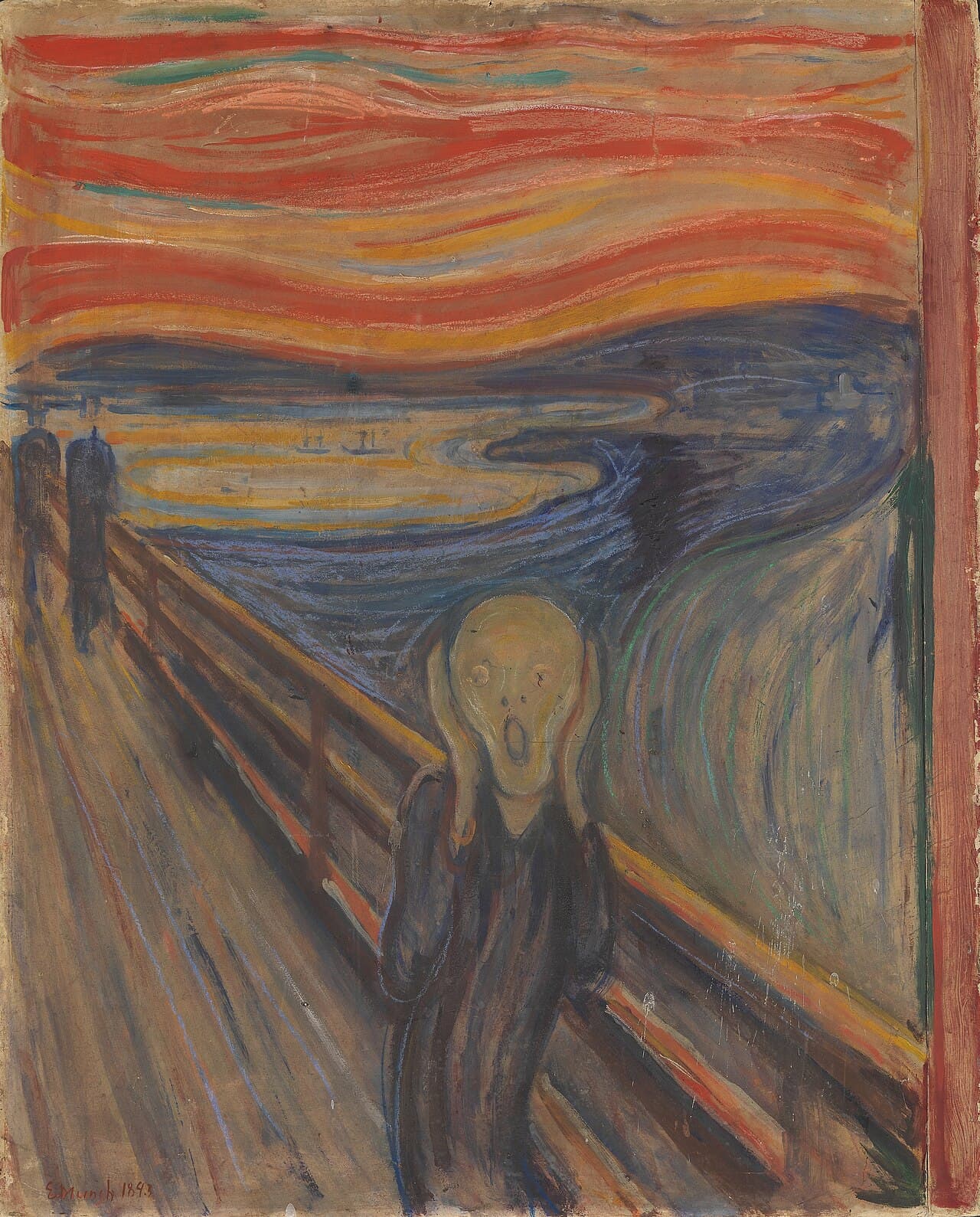
Edvard Munch (1863–1944) was a Norwegian painter whose themes of anxiety, love and death made him a forerunner of Expressionism. He made his most famous work, The Scream (1893), in several versions.
Last updated: · Iconica Society editors
Life
Born in Norway, he grew up in Kristiania (today’s Oslo). He lost his mother to tuberculosis when he was five and his sister Sophie when he was fourteen; these losses fed the themes of illness and death in his work.
In Paris and Berlin he met the Symbolists. His 1892 exhibition in Berlin was closed within a week amid outrage, and the scandal made him famous. After a breakdown in 1908 he was treated in Copenhagen; back in Norway he worked with brighter colours.
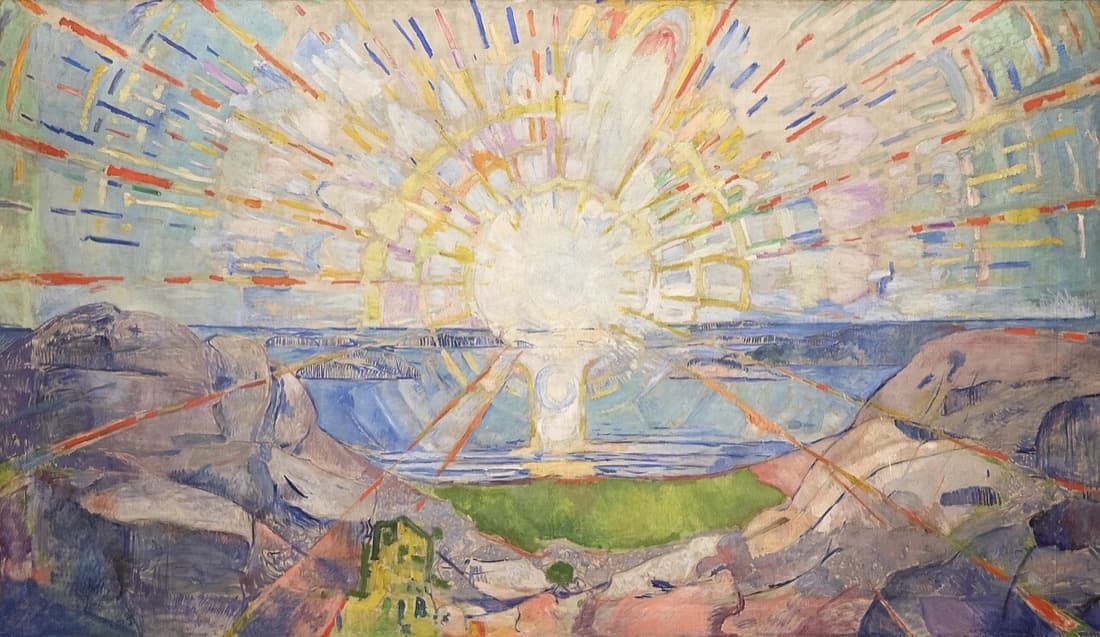
He died at his home in Ekely near Oslo in 1944, leaving most of his work to the city of Oslo; the collection is now in the MUNCH museum.
The Frieze of Life and style
Munch conceived works like The Scream, Madonna and Jealousy as one cycle about love, anxiety and death, which he called “The Frieze of Life”. With swirling lines, unreal colours and simplified figures he painted the inner world rather than the outer, guiding the German Expressionists of the 20th century.
Key works
Shop Edvard Munch posters →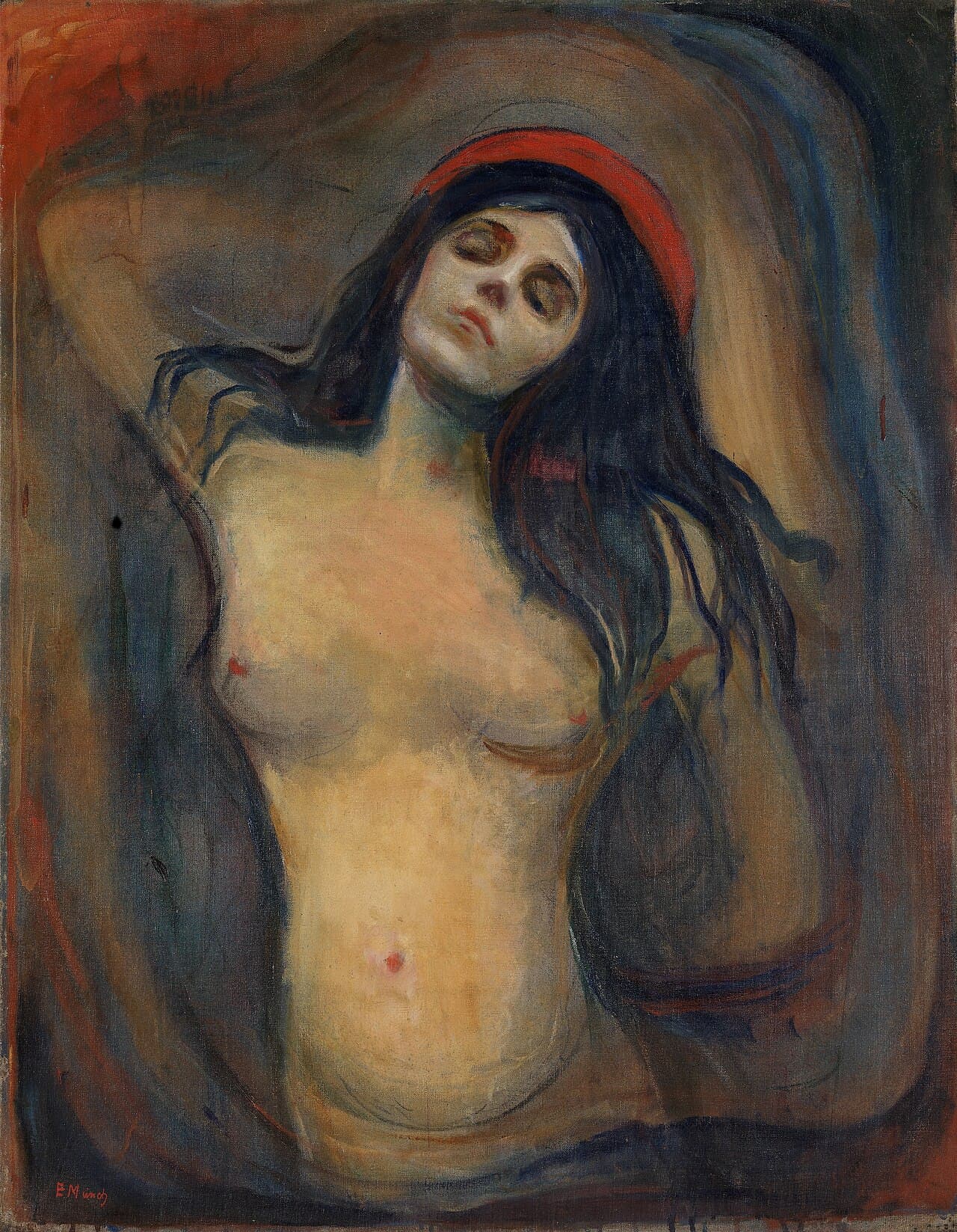
Frequently asked questions
How many versions of The Scream are there?
Munch made it several times in paint, pastel and lithograph. The best-known version, from 1893, is in the National Museum in Oslo.
Which movement did Munch pioneer?
Expressionism. He put feeling and the inner world ahead of realistic appearance.