Art Guide · Painters
Katsushika Hokusai
1760–1849
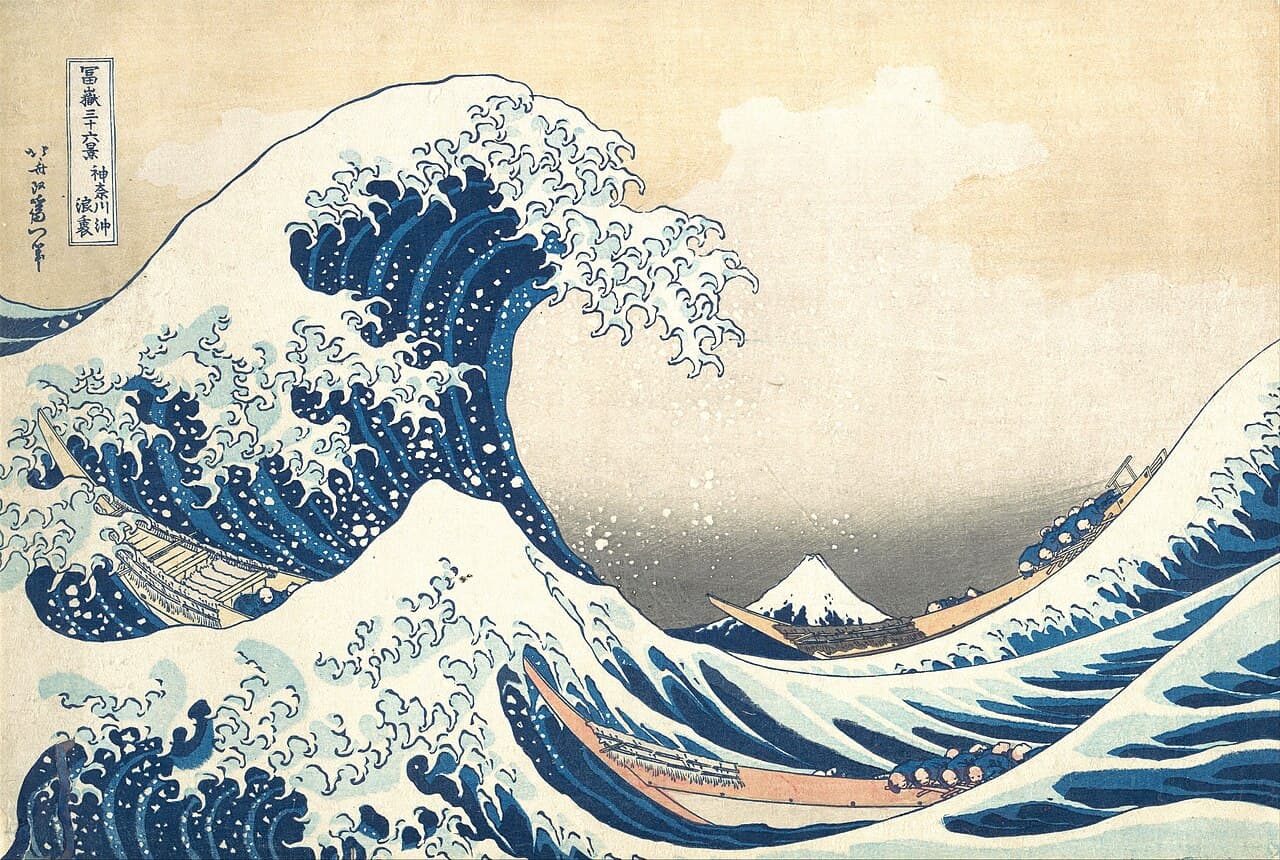
Katsushika Hokusai (1760–1849) is the most famous Japanese artist of the ukiyo-e tradition. The Great Wave off Kanagawa, from his Thirty-six Views of Mount Fuji, is the world’s best-known Japanese artwork.
Last updated: · Iconica Society editors
Life
He was born in Edo (today’s Tokyo), worked as a woodblock carver in his youth and entered the studio of Katsukawa Shunshō at 18. He used more than thirty names over his life and is said to have moved house more than ninety times.
He published his famous series around seventy and kept working until his death at nearly ninety. His last words are reported as “If heaven gave me just five more years, I could become a real painter.”
The Fuji series and the Great Wave
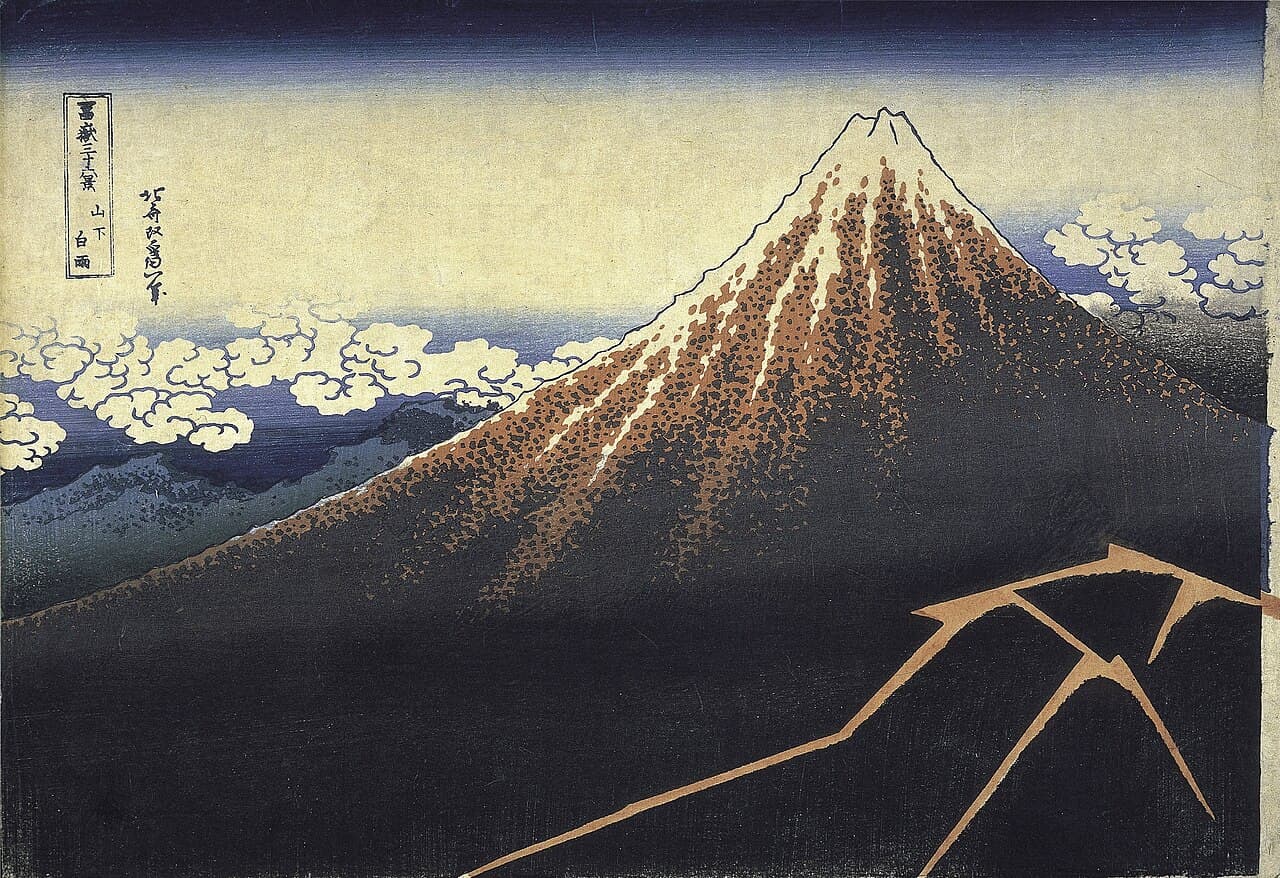
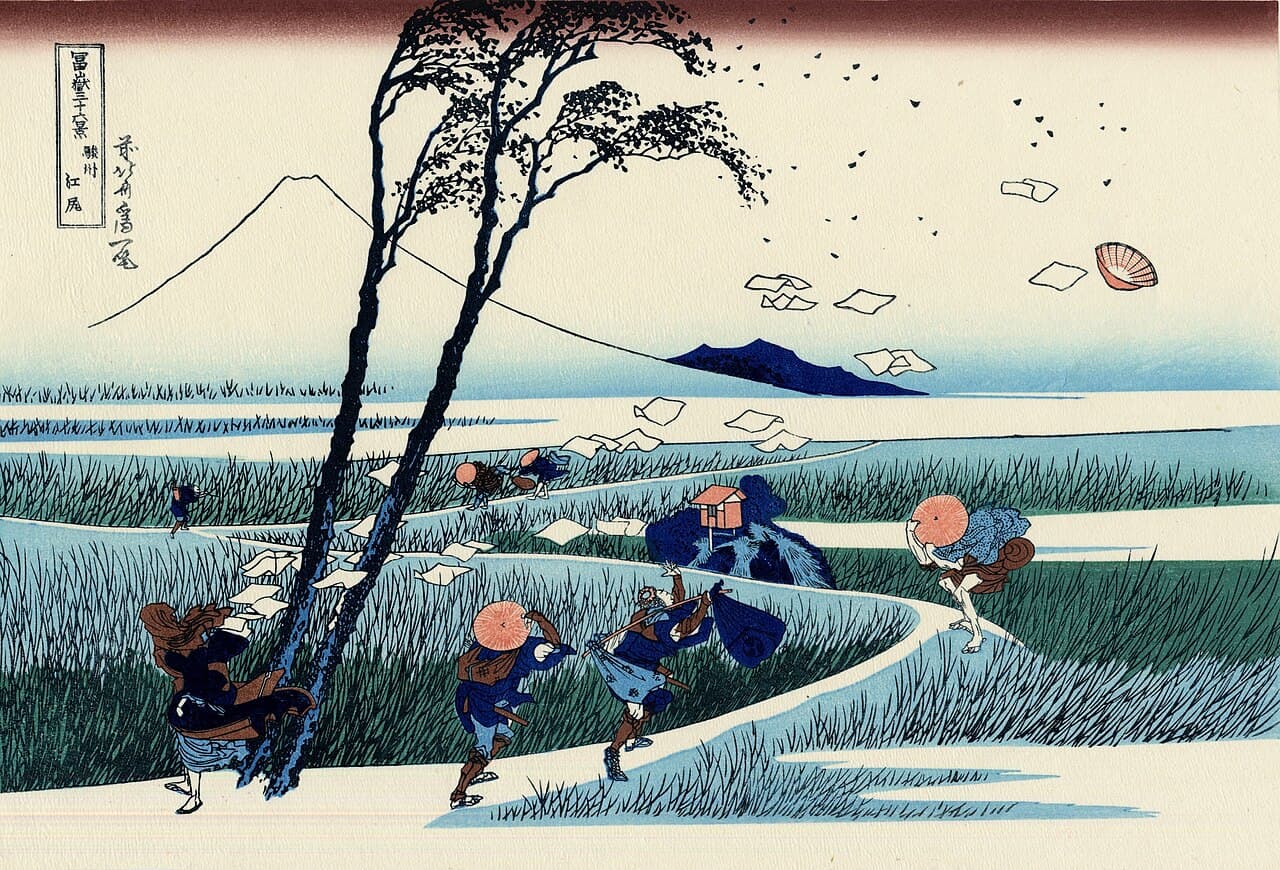
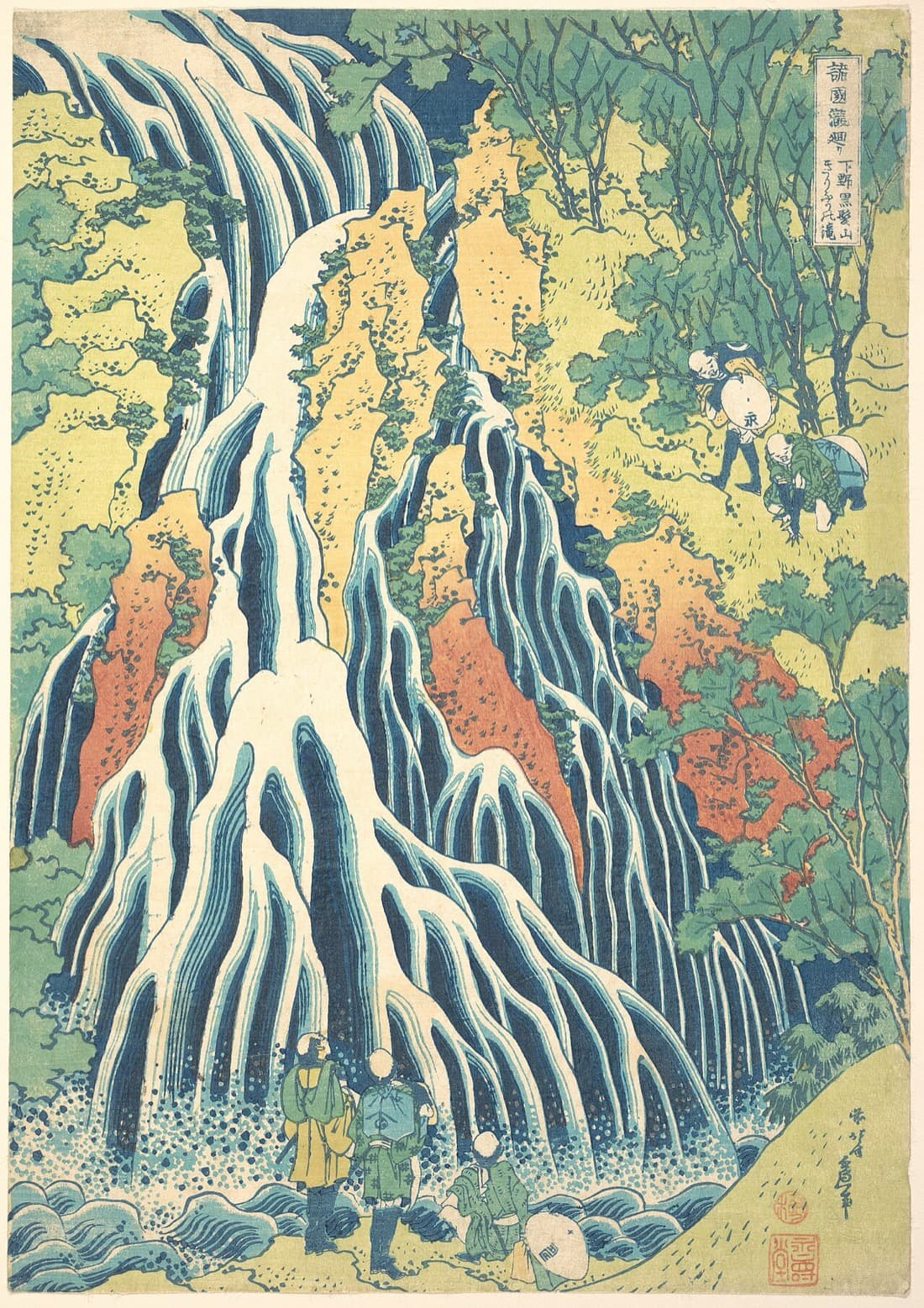
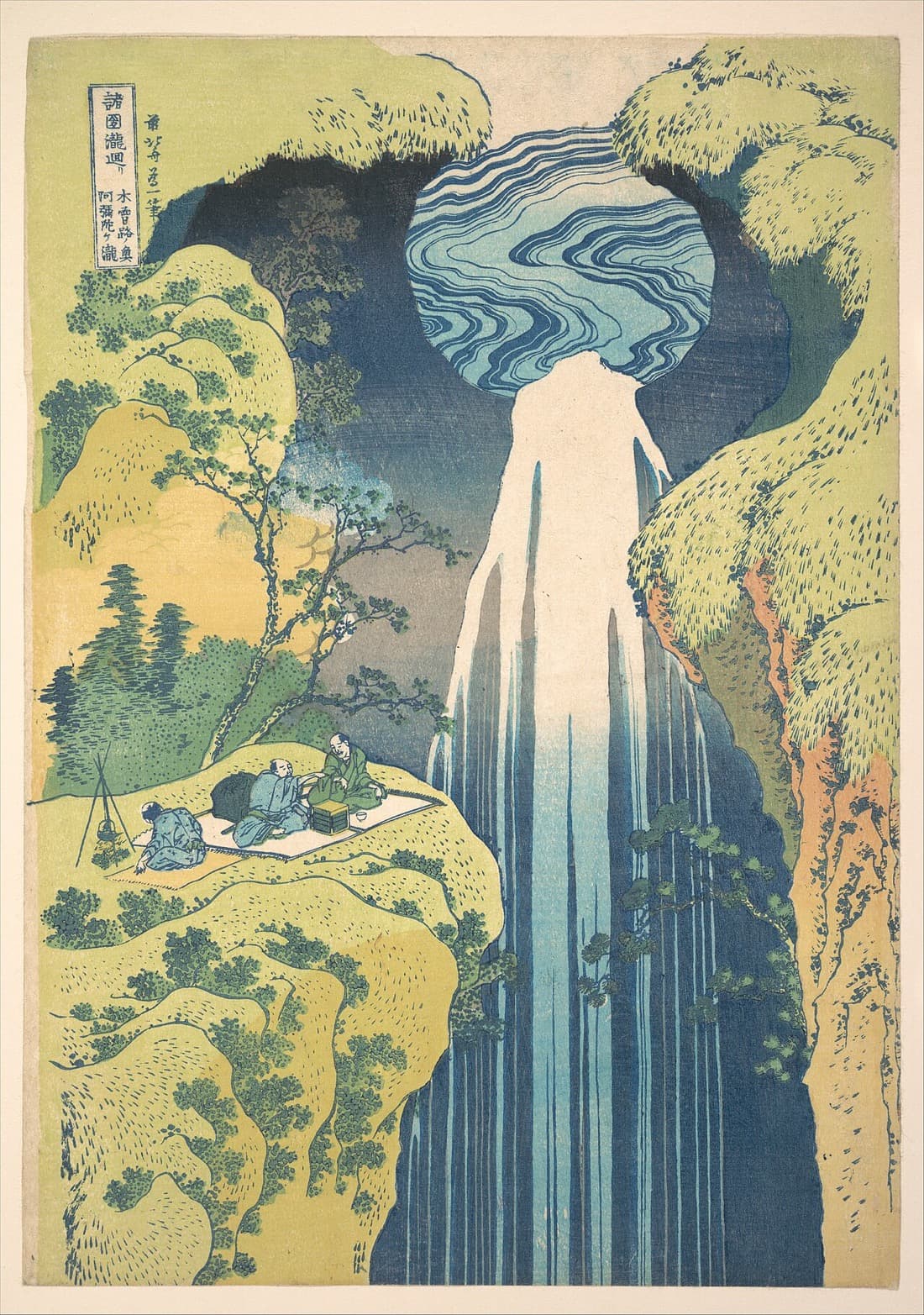
Thirty-six Views of Mount Fuji (c. 1830–32) shows the mountain from a different angle each time, framed by everyday life; ten more prints later brought the series to 46. The Great Wave and Red Fuji stand out for the vividness of Prussian blue, newly arrived from Europe. Being prints, they were made in thousands of impressions.
Influence
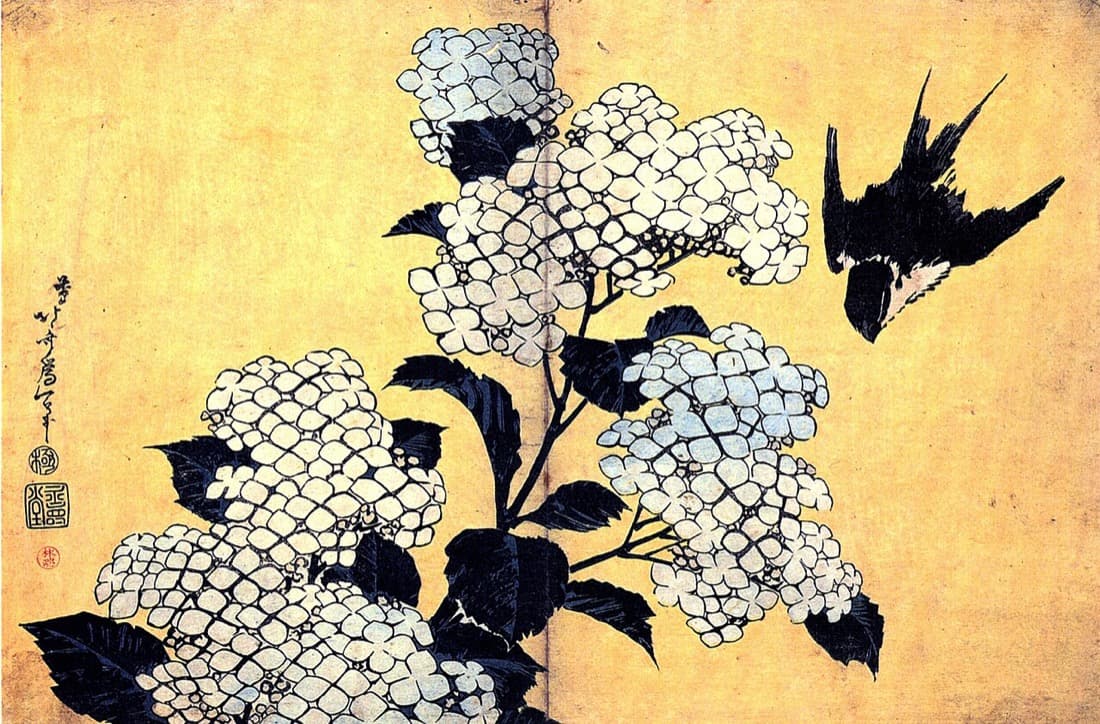
Through his Hokusai Manga sketchbooks and tens of thousands of works, he sparked the Japonisme craze in 19th-century Europe, influencing Monet, Van Gogh, Degas and the designers of Art Nouveau.
Key works
Shop Katsushika Hokusai posters →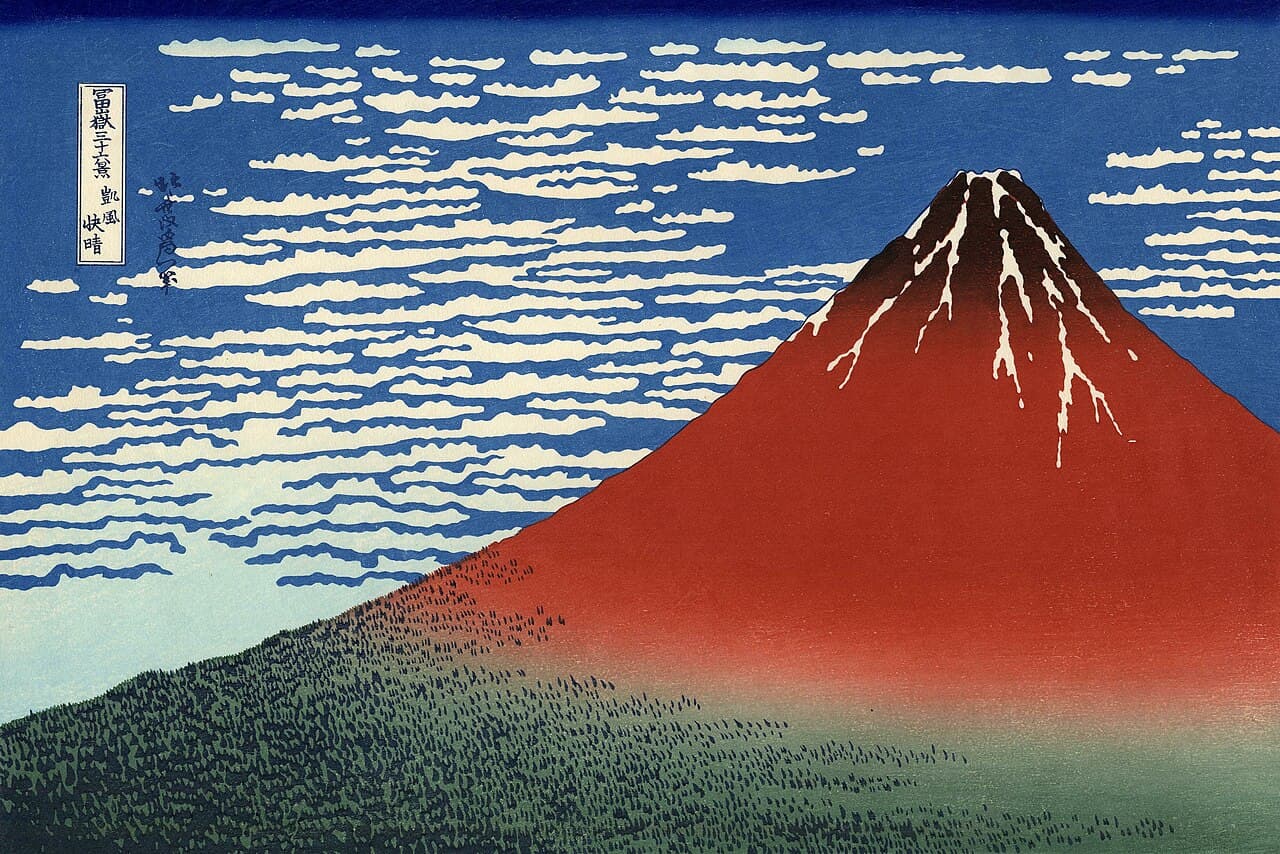
Frequently asked questions
Is The Great Wave a painting?
No, it is a woodblock print. Thousands of impressions were pulled from carved blocks, and many museums around the world hold one.
What does ukiyo-e mean?
“Pictures of the floating world”: Japanese prints and paintings of the Edo period depicting city life, theatre and landscapes.