Art Guide · Styles
Landscape
Nature, sky and water
Landscape painting takes nature and the open air as its main subject. It grew into an independent genre in the 17th century and peaked with the Romantics and Impressionists in the 19th.
Shop Landscape posters Poster prints of these works are in the collection.
Last updated: · Iconica Society editors
In brief
A backdrop behind figures in the Renaissance, nature became a subject in its own right with Bruegel and the Dutch painters. Friedrich and Turner made landscape a vehicle for emotion; Monet painted changing light and Van Gogh the energy of nature. In Japanese prints, Hokusai and Hiroshige reinvented landscape with new framing. Thanks to their calming effect, landscapes are among the most popular subjects for wall decoration.
Key works
Shop Landscape posters →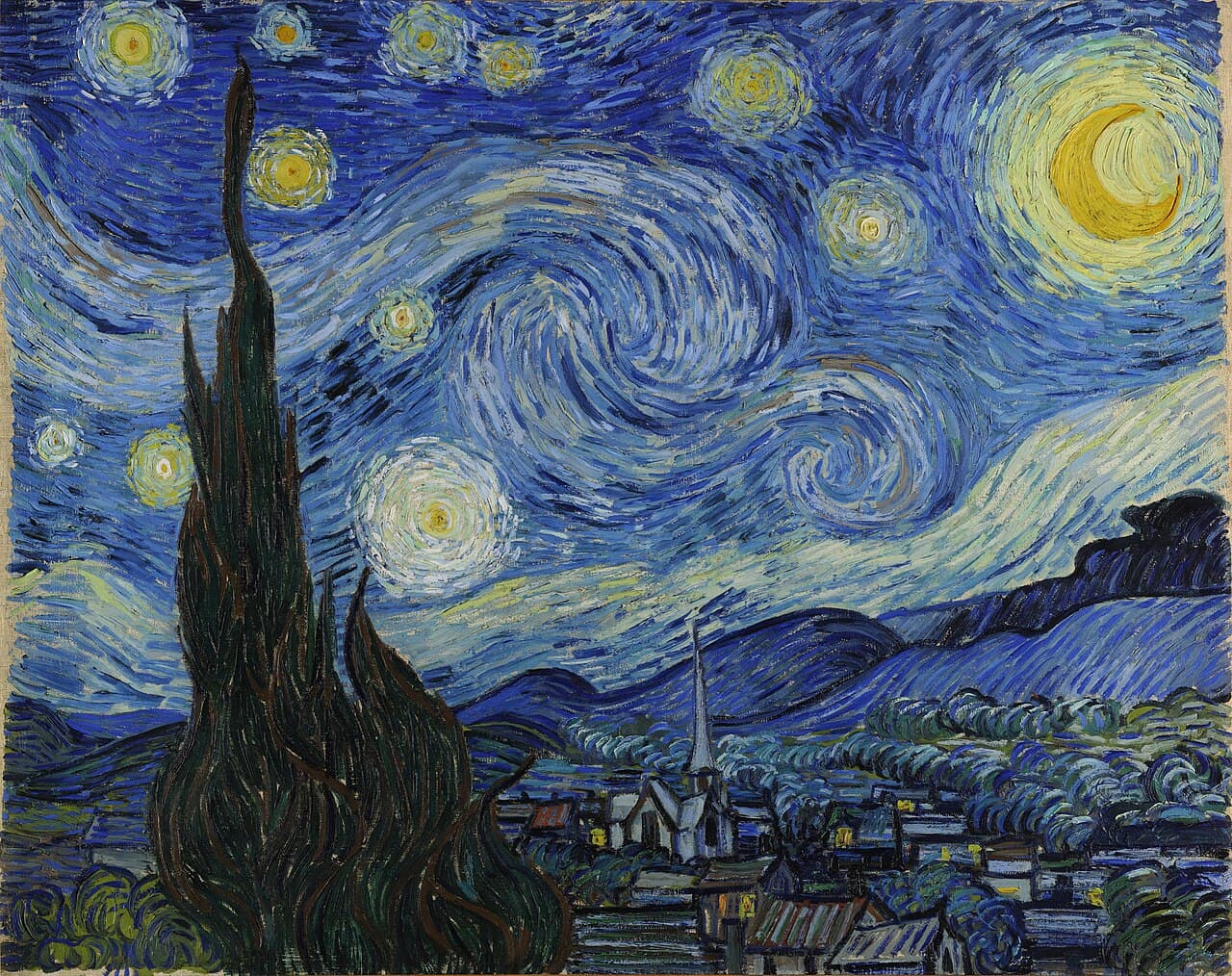
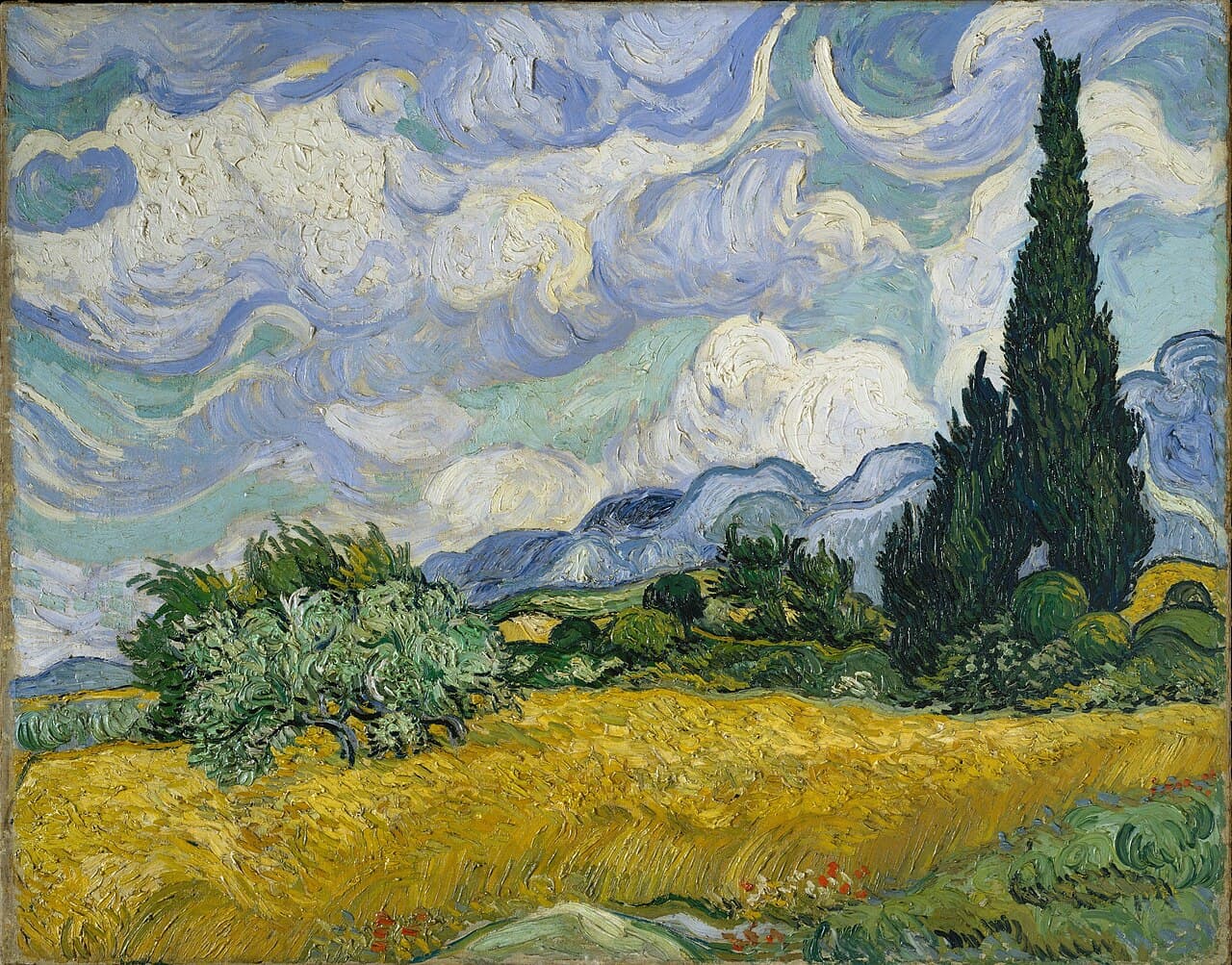
The Starry NightVincent van Gogh, 1889 Wheat Field with CypressesVincent van Gogh, 1889 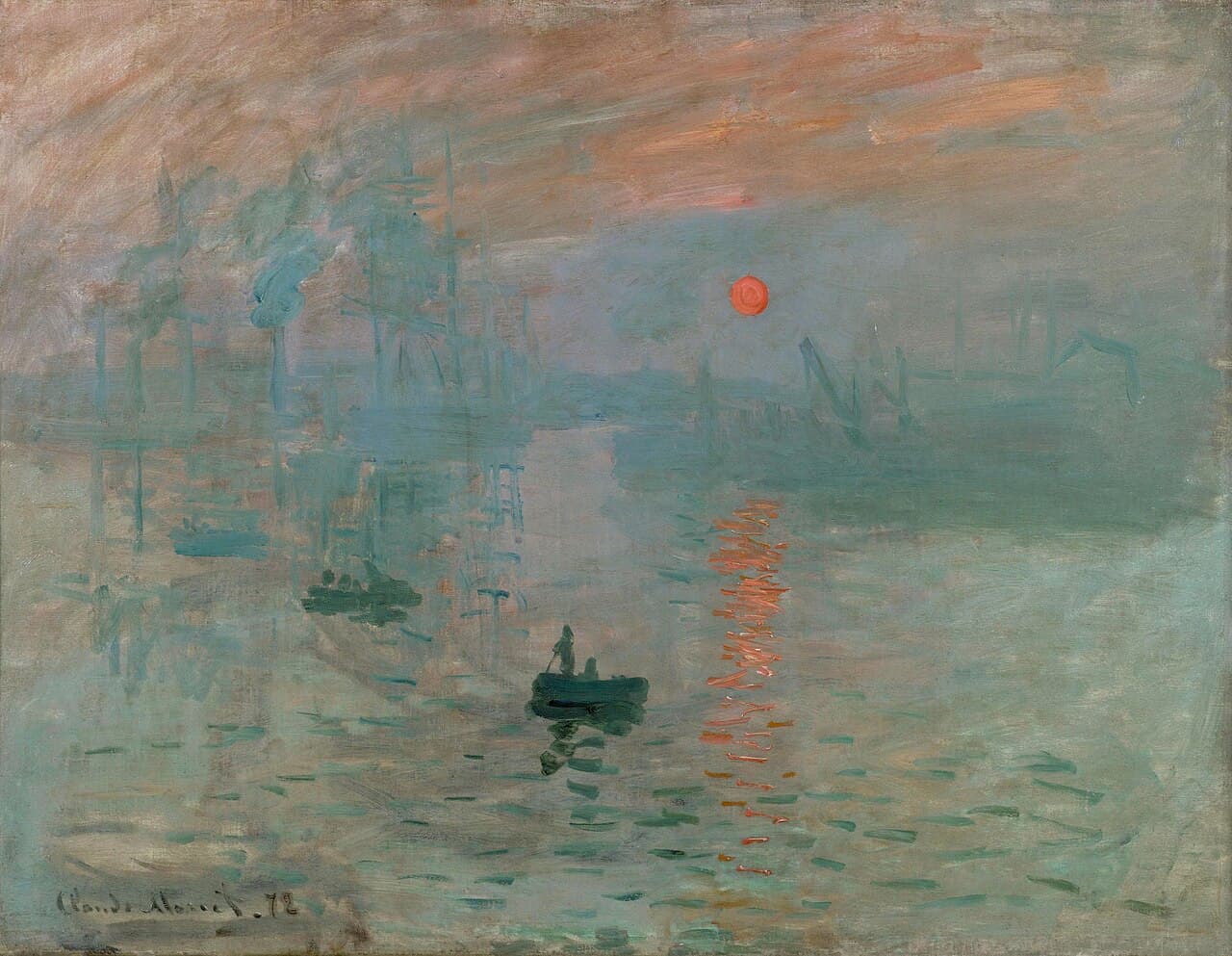
Impression, SunriseClaude Monet, 1872 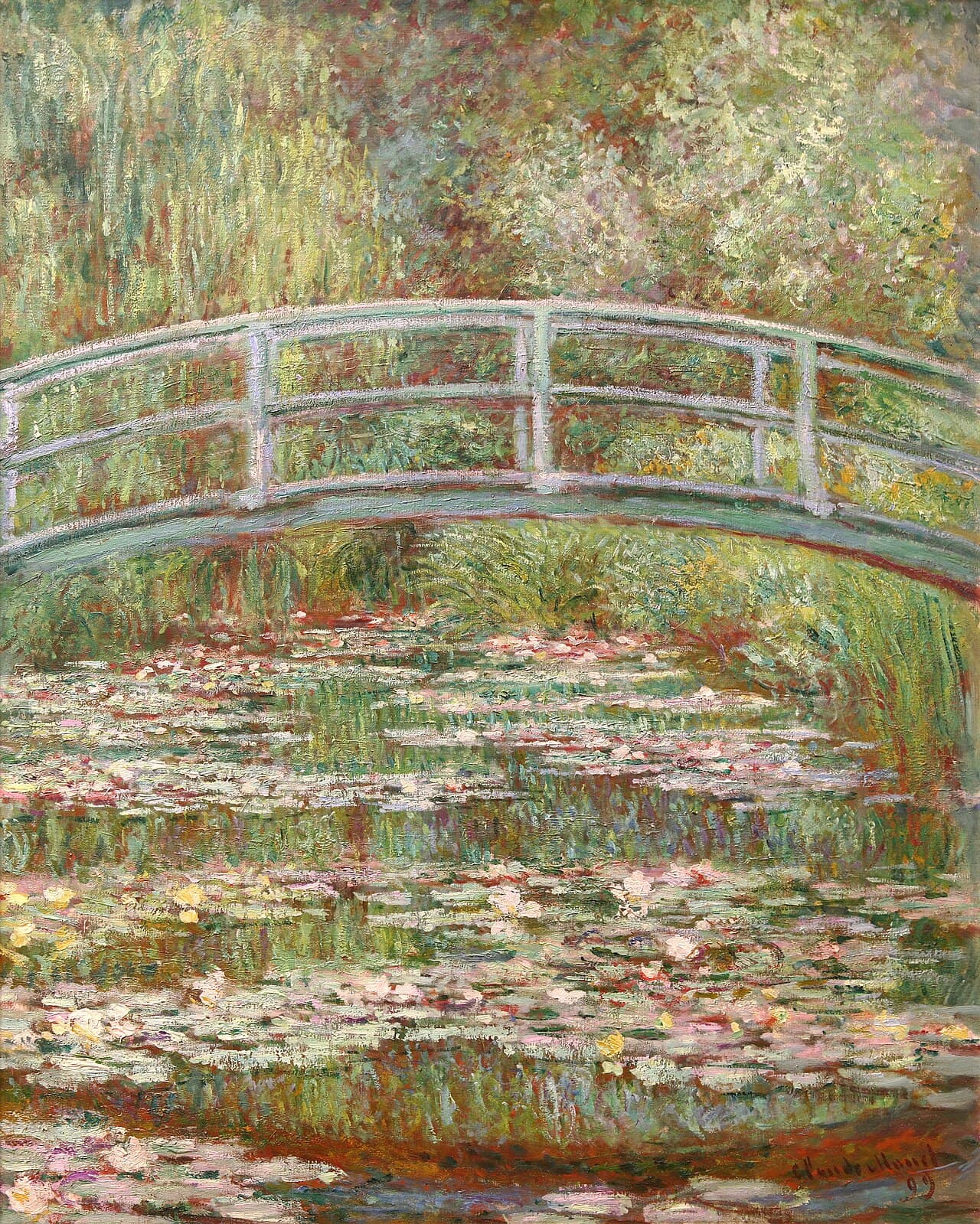
The Water Lily PondClaude Monet, 1899 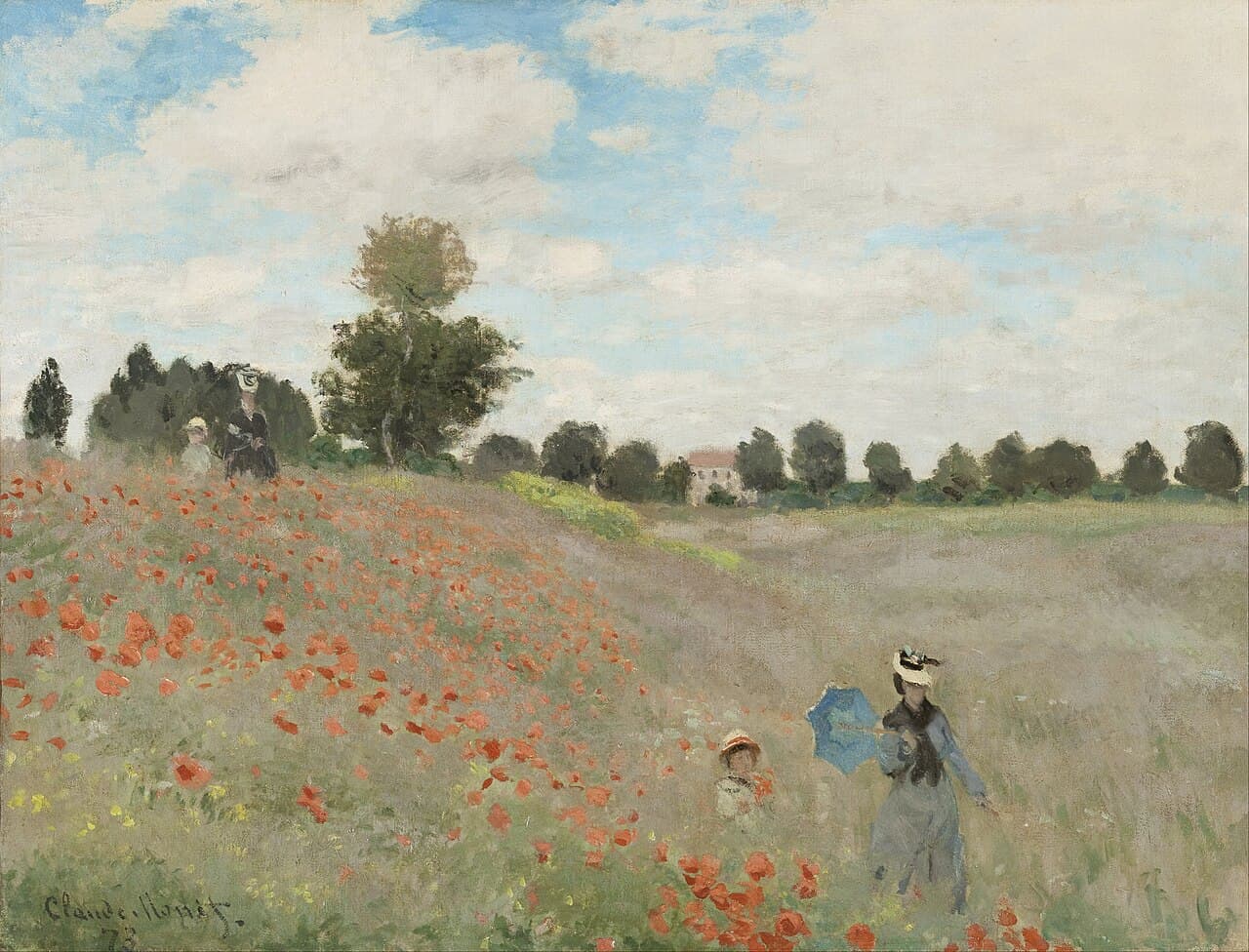
Poppy FieldClaude Monet, 1873 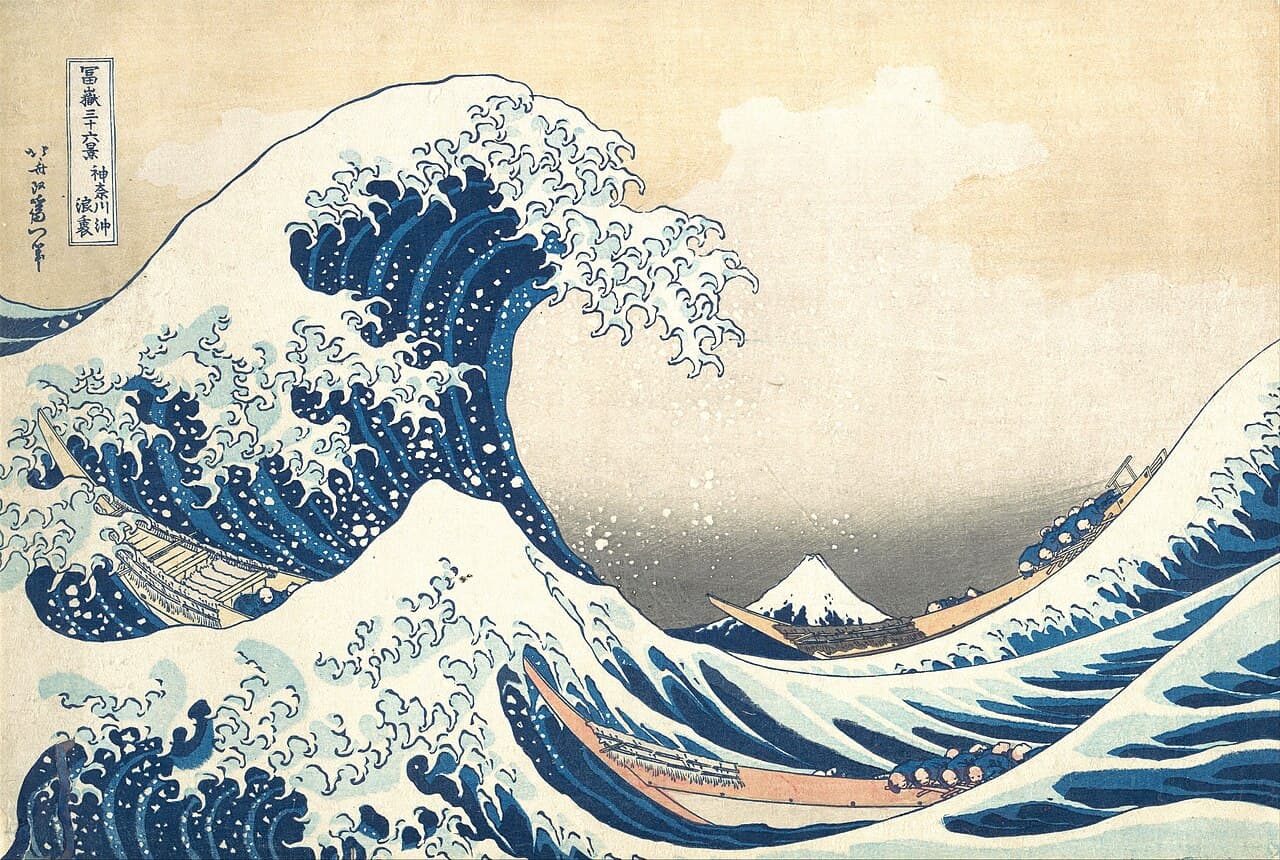
The Great Wave off KanagawaKatsushika Hokusai, c. 1831 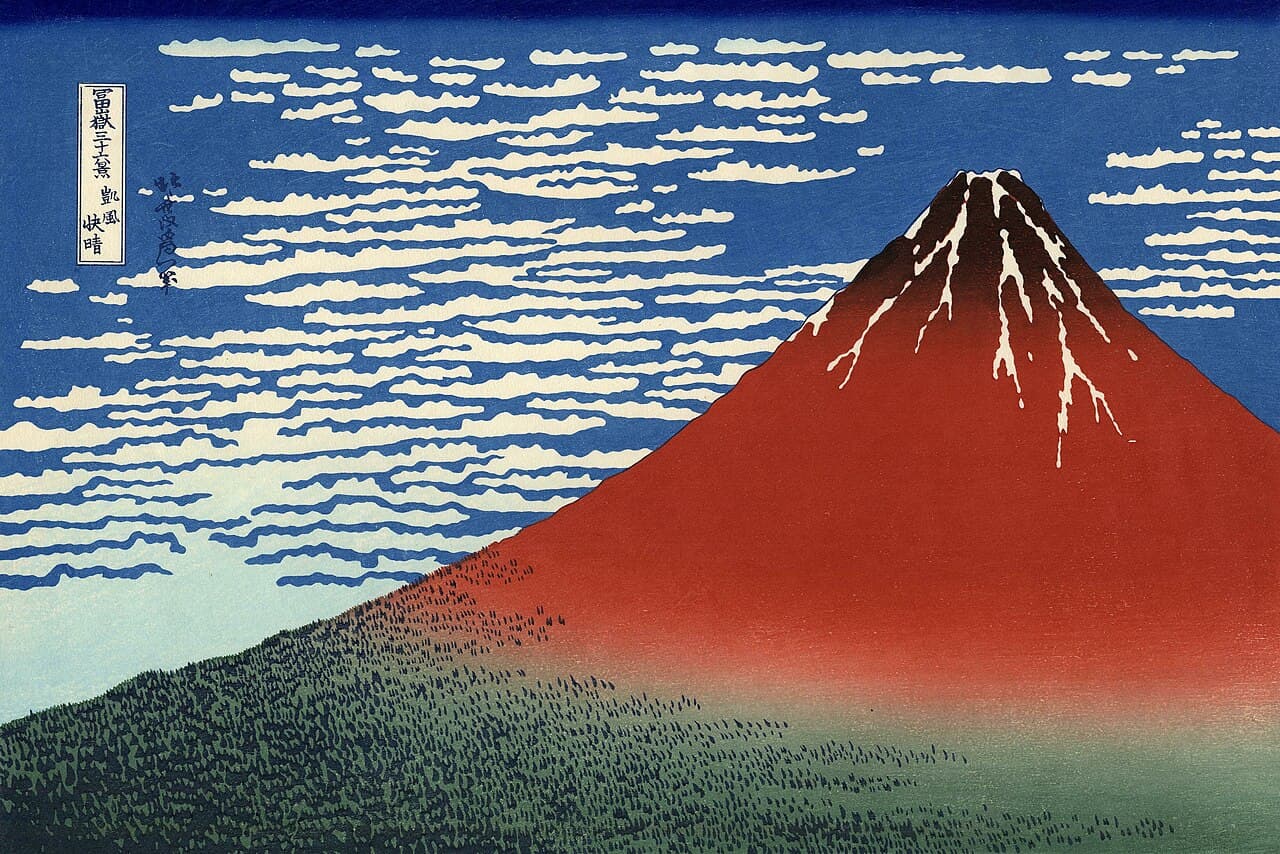
Red FujiKatsushika Hokusai, c. 1831 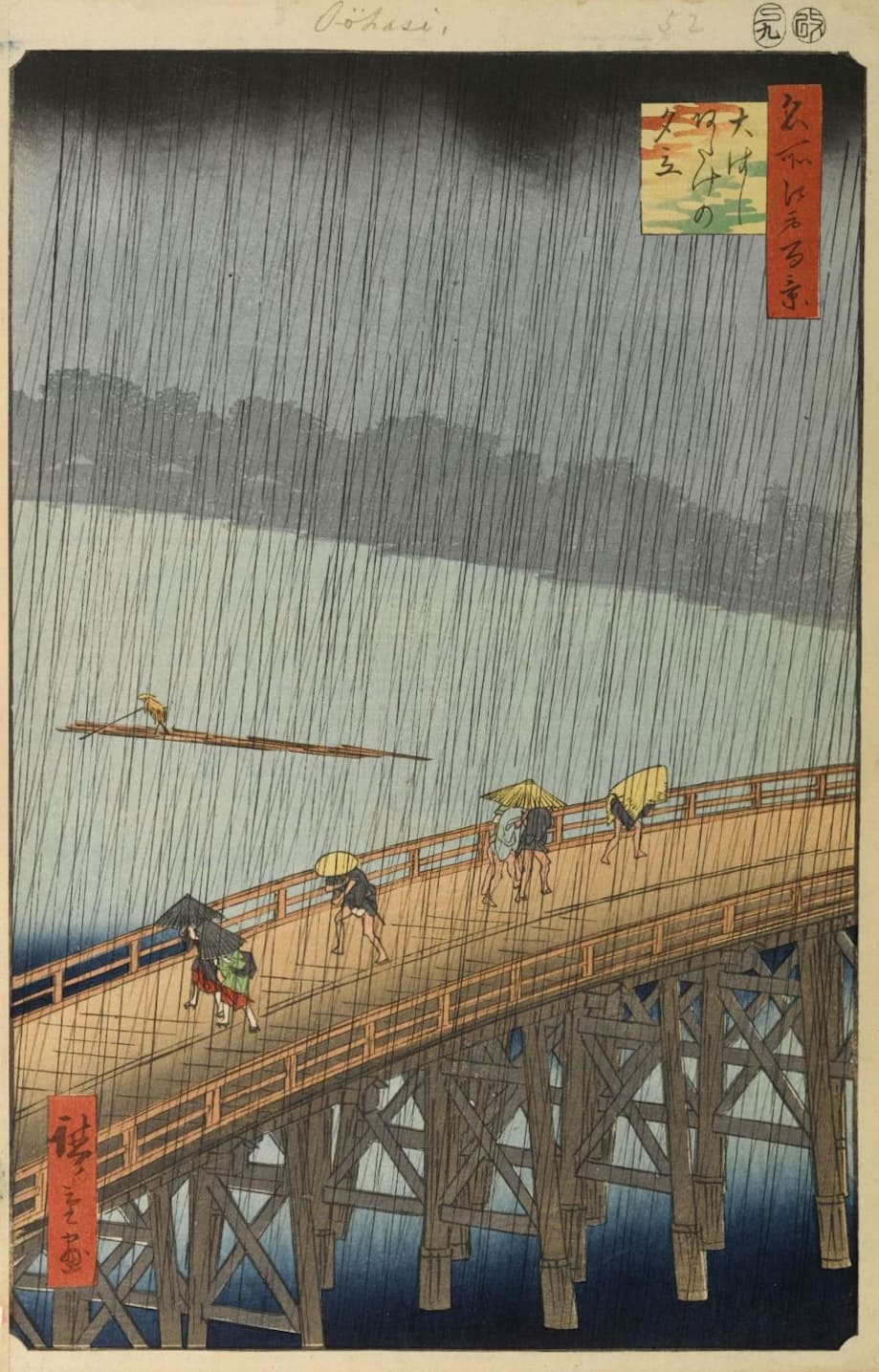
Sudden Shower over Shin-Ōhashi BridgeUtagawa Hiroshige, 1857
Related pages
- Vincent van GoghPainters
- Claude MonetPainters
- Katsushika HokusaiPainters
- Utagawa HiroshigePainters
- Caspar David FriedrichPainters
- Pieter BruegelPainters
- Gustav KlimtPainters
- Egon SchielePainters
- J. M. W. TurnerPainters
- Johannes VermeerPainters
- Hendrick AvercampPainters
- John ConstablePainters
- Winslow HomerPainters
- P. S. KrøyerPainters
- Edvard MunchPainters
- Henri RousseauPainters